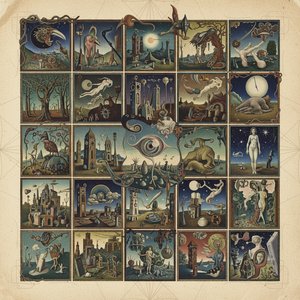
1940. Acrylic On Canvas, 36.0 x 28.0 cm.

§ 1Catalogue data
 Acrylic On Canvas
- WallArt
- Surrealism
 1940
1940- Modern
 36.0 x 28.0 cm
Dit kunstwerk is auteursrechtelijk beschermd
De kunstwerken die op deze pagina worden weergegeven, zijn beschermd door de auteursrechtwetgeving, wat betekent dat het ons wettelijk niet is toegestaan om identieke reproducties te maken of te verkopen. Deze bescherming wordt gehandhaafd onder internationale overeenkomsten zoals de Conventie van Bern en door nationale wetgeving, waaronder de bepalingen van de Amerikaanse auteurswet - Titel 17. Alle rechten voorbehouden. Reproduceren of distribueren van afbeeldingen is niet toegestaan zonder uitdrukkelijke schriftelijke toestemming van WahooArt.com en de rechthebbenden.
Als een respectvol en legaal alternatief bieden wij op maat gemaakte, handgeschilderde kunstwerken aan die geïnspireerd zijn op het origineel. Onze bekwame en professionele kunstenaars bestuderen zorgvuldig de stijl, sfeer en artistieke essentie van het origineel om een nieuw, uniek werk te creëren dat dezelfde emotie oproept – terwijl het een op zichzelf staande, originele creatie blijft.
Deze methode voldoet volledig aan de auteursrechtwetgeving, omdat het niet gaat om het kopiëren of dupliceren van het beschermde kunstwerk. In plaats daarvan is er sprake van een creatieve herinterpretatie — een nieuw schilderij dat door het origineel wordt geïnspireerd, maar er niet identiek aan is.
 Lees meer over
§ 2Abstract
Beschrijving verzamelobject
Biografie kunstenaar
Max Ernst (1891-1976): Een baanbrekende Duitse surrealist! Bekend om frottage, collages & droomachtige schilderijen met vogels, landschappen en psychologische thema's. #MaxErnst #Surrealisme
§ 3Commentary
A Dance Between Chance and Vision: Exploring Max Ernst’s “Abstract Composition”
Max Ernst's "Abstract Composition," painted in 1940, stands as a testament to the radical experimentation that defined his artistic career—a cornerstone of Dada and Surrealism. Born Maximilian Maria Ernst on April 1st, 1891, in Brühl, Germany, he defied conventional academic paths, forging instead a singular path fueled by philosophical contemplation and an unwavering fascination with the subconscious mind. His father’s role as a teacher of the deaf instilled within him not only sensitivity to auditory perception but also a rebellious spirit against societal constraints—a duality that would permeate his artistic endeavors. Ernst's intellectual grounding extended far beyond mere visual aesthetics; he pursued degrees in philosophy, art history, literature, psychology, and psychiatry at Bonn University. This multifaceted approach wasn’t simply about mastering artistic skills; it was about interrogating the very nature of creativity itself—asking “Why?” He sought to understand the psychological forces shaping artistic expression, mirroring his broader philosophical inquiries into existentialism and the human condition. The painting's visual language is strikingly simple yet profoundly complex. Two sailboats glide across a serene expanse of blue water, their trajectories subtly converging – an image imbued with quiet contemplation and hinting at interconnectedness. Scattered throughout the canvas are birds—symbols often associated with freedom, aspiration, and spiritual transcendence—adding a layer of dynamism to the tranquil scene. However, it’s Ernst's groundbreaking technique that truly elevates “Abstract Composition.” He employed grattage, a method pioneered by Ernst himself, wherein he meticulously covered the canvas with pigment and subsequently scraped away portions using a palette knife. This process revealed underlying impressions created by objects positioned beneath the initial layer of paint—a deliberate embrace of chance and spontaneity championed by Dada and Surrealist artists. Further manipulation involved utilizing a painter’s comb to disrupt earlier paint strata, exposing hidden textures and patterns. Finally, Ernst stamped new motifs onto the dried surface, continuing his exploration of layering and transformation. This meticulous process underscores Ernst's commitment to disrupting traditional artistic conventions and delving into the realm of unconscious imagery. The clock in the upper left corner serves as a subtle focal point—perhaps representing time’s relentless march or symbolizing the artist’s deliberate control over the creative process. “Abstract Composition” embodies the spirit of Surrealism, prioritizing dreamlike imagery and irrational juxtapositions to provoke thought and challenge perceptions. It's more than just a depiction of sailboats; it’s an invitation to consider themes of movement, harmony, and hidden depths—a captivating piece for collectors seeking artwork that transcends literal representation. Consider commissioning a high-quality reproduction to bring Ernst’s visionary aesthetic into your home or studio.- Artist: Max Ernst
- Year Painted: 1940
- Medium: Acrylic on Canvas
- Dimensions: 36 x 28 cm
Veelgestelde vragen
Is een download met hoge resolutie van "Abstract Composition" beschikbaar?
Om een digitale afbeelding van "Abstract Composition" door Max Ernst te verkrijgen, kunt u een digitale afbeelding in hoge resolutie om te downloaden bestellen op de Digitale afbeelding pagina.
Wat stelt "Abstract Composition" door Max Ernst voor?
De thema's die aanwezig zijn in "Abstract Composition" door Max Ernst omvatten sailboats, birds, clock, texture, chance, abstraction, palette knife. Samen vatten zij de onderwerpen van het kunstwerk samen.
Waar kan ik handgeschilderde reproducties van "Abstract Composition" door Max Ernst kopen?
Handgeschilderde reproducties van "Abstract Composition" door Max Ernst zijn verkrijgbaar via deze website: een met de hand geschilderde olieverfreproductie op linnen canvas, te bestellen op de Handgeschilderde reproductie pagina.


 Schakel over naar print


 Voor kunstwerken of reproducties die aan één zijde groter zijn dan 105 cm (ongeveer 41 inch), wordt de lijst als een losse set verzonden. Deze methode garandeert een veilige levering en voorkomt schade tijdens het transport.