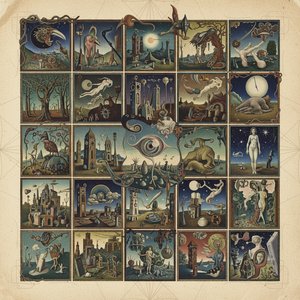
1958. Acrylic On Canvas.

§ 1Catalogue data


Dit kunstwerk is auteursrechtelijk beschermd
De kunstwerken die op deze pagina worden weergegeven, zijn beschermd door de auteursrechtwetgeving, wat betekent dat het ons wettelijk niet is toegestaan om identieke reproducties te maken of te verkopen. Deze bescherming wordt gehandhaafd onder internationale overeenkomsten zoals de Conventie van Bern en door nationale wetgeving, waaronder de bepalingen van de Amerikaanse auteurswet - Titel 17. Alle rechten voorbehouden. Reproduceren of distribueren van afbeeldingen is niet toegestaan zonder uitdrukkelijke schriftelijke toestemming van WahooArt.com en de rechthebbenden.
Als een respectvol en legaal alternatief bieden wij op maat gemaakte, handgeschilderde kunstwerken aan die geïnspireerd zijn op het origineel. Onze bekwame en professionele kunstenaars bestuderen zorgvuldig de stijl, sfeer en artistieke essentie van het origineel om een nieuw, uniek werk te creëren dat dezelfde emotie oproept – terwijl het een op zichzelf staande, originele creatie blijft.
Deze methode voldoet volledig aan de auteursrechtwetgeving, omdat het niet gaat om het kopiëren of dupliceren van het beschermde kunstwerk. In plaats daarvan is er sprake van een creatieve herinterpretatie — een nieuw schilderij dat door het origineel wordt geïnspireerd, maar er niet identiek aan is.
 Lees meer over
§ 2Abstract
Beschrijving verzamelobject
This haunting surrealist painting by Max Ernst depicts nocturnal birds soaring over a beach alongside a solitary figure and scattered books, capturing the artist's exploration of subconscious imagery.
Biografie kunstenaar
Max Ernst (1891-1976): Een baanbrekende Duitse surrealist! Bekend om frottage, collages & droomachtige schilderijen met vogels, landschappen en psychologische thema's. #MaxErnst #Surrealisme
§ 3Commentary
A Journey into the Dreamscape – Max Ernst’s “After My Sleeping”
Max Ernst’s “After My Sleeping,” painted in 1958, isn't merely a depiction of a beach at night; it’s an invitation to delve into the subconscious mind—a cornerstone of Surrealist philosophy and artistic practice. Created during Ernst’s prolific period following World War II, this artwork embodies the anxieties and aspirations of a generation grappling with trauma and yearning for liberation from oppressive ideologies.
Style and Technique: Embracing Chance and Imagination
Ernst’s signature style—characterized by meticulous detail juxtaposed with deliberate abstraction—is evident in “After My Sleeping.” He employed a technique known as “automatism,” a method championed by André Breton, the founder of Surrealism. This involved suppressing conscious thought and allowing subconscious impulses to guide the artist's hand onto the canvas. The resulting image is imbued with an unsettling beauty, reflecting the unpredictable nature of dreams.
Symbolism: Birds, Books, and the Silent Beach
The painting’s symbolism resonates deeply within Surrealist iconography. Two birds dominate the composition—one perched prominently on the left side, another soaring towards the right—representing freedom and aspiration, yet simultaneously hinting at vulnerability and fragility. Scattered books symbolize knowledge and contemplation, suggesting a quest for understanding amidst the chaos of the subconscious. The desolate beach itself embodies isolation and silence, mirroring the inner landscape of the dreamer.
Historical Context: Surrealism’s Response to War
Surrealism emerged in the wake of World War II as a reaction against rationalism and fascism. Artists sought to bypass logic and reason, tapping into primal instincts and irrational fantasies—a deliberate defiance of the dominant cultural forces of the time. Ernst's work reflects this spirit of rebellion, articulating the psychological scars inflicted by conflict while simultaneously celebrating the transformative power of imagination.
Emotional Impact: A Meditation on Anxiety and Wonder
"After My Sleeping" captivates viewers with its unsettling blend of serenity and apprehension. The muted palette—dominated by blues and browns—creates a mood of melancholic contemplation, mirroring the dreamer’s disorientation. Yet, amidst this darkness lies an undeniable sense of wonder—a recognition that even in moments of profound anxiety, beauty persists, reminding us of the boundless potential for creativity and self-discovery.
Veelgestelde vragen
Hoeveel mensen bekijken "After my sleeping"?
Statistieken over "After my sleeping" door Max Ernst zijn te vinden op de Statistieken-pagina van het kunstwerk: maandelijkse weergaven van het kunstwerk, weergaven van de werken van de kunstenaar en een uitsplitsing naar land en taal van recente bezoekers.
Waarvoor wordt het gebruik van "After my sleeping" door Max Ernst aanbevolen?
Een reproductie van "After my sleeping" door Max Ernst wordt aanbevolen voor Mood. Dit advies is gebaseerd op het onderwerp, de sfeer en de kleuren van het werk.
Hoe komen stroming en tijdperk samen in "After my sleeping" door Max Ernst?
In "After my sleeping" door Max Ernst ontmoet de Surrealism-stroming de Moderne tijd-periode.


 Schakel over naar print


 Voor kunstwerken of reproducties die aan één zijde groter zijn dan 105 cm (ongeveer 41 inch), wordt de lijst als een losse set verzonden. Deze methode garandeert een veilige levering en voorkomt schade tijdens het transport.