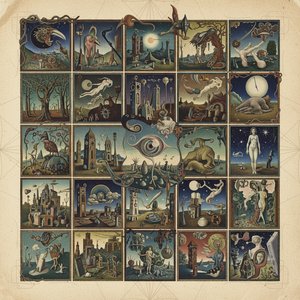
1913. , 80.0 x 67.0 cm.

§ 1Catalogue data

- 80.0 x 67.0 cm


Dit kunstwerk is auteursrechtelijk beschermd
De kunstwerken die op deze pagina worden weergegeven, zijn beschermd door de auteursrechtwetgeving, wat betekent dat het ons wettelijk niet is toegestaan om identieke reproducties te maken of te verkopen. Deze bescherming wordt gehandhaafd onder internationale overeenkomsten zoals de Conventie van Bern en door nationale wetgeving, waaronder de bepalingen van de Amerikaanse auteurswet - Titel 17. Alle rechten voorbehouden. Reproduceren of distribueren van afbeeldingen is niet toegestaan zonder uitdrukkelijke schriftelijke toestemming van WahooArt.com en de rechthebbenden.
Als een respectvol en legaal alternatief bieden wij op maat gemaakte, handgeschilderde kunstwerken aan die geïnspireerd zijn op het origineel. Onze bekwame en professionele kunstenaars bestuderen zorgvuldig de stijl, sfeer en artistieke essentie van het origineel om een nieuw, uniek werk te creëren dat dezelfde emotie oproept – terwijl het een op zichzelf staande, originele creatie blijft.
Deze methode voldoet volledig aan de auteursrechtwetgeving, omdat het niet gaat om het kopiëren of dupliceren van het beschermde kunstwerk. In plaats daarvan is er sprake van een creatieve herinterpretatie — een nieuw schilderij dat door het origineel wordt geïnspireerd, maar er niet identiek aan is.
 Lees meer over
§ 2Abstract
Beschrijving verzamelobject
Max Ernst’s haunting ‘Crucifixion,’ painted in 1913, embodies surrealist drama with its stark depiction of Jesus on the cross against a monumental castle backdrop—a powerful testament to Ernst's intellectual exploration and artistic vision. Explore this iconic masterpiece and bring it into your home.
Biografie kunstenaar
Max Ernst (1891-1976): Een baanbrekende Duitse surrealist! Bekend om frottage, collages & droomachtige schilderijen met vogels, landschappen en psychologische thema's. #MaxErnst #Surrealisme
§ 3Commentary
A Dramatic Encounter Between Faith and Fortress Walls
“Crucifixion,” painted by Max Ernst in 1913, isn’t merely a depiction of Jesus Christ on the cross; it's an arresting meditation on suffering, spirituality, and the confrontation between humanity and divine judgment. This monumental canvas—measuring 80 x 67 cm—immediately draws the eye with its stark composition and unsettling grandeur.
- Subject Matter: The central figure is Jesus Christ crucified, positioned prominently against a formidable castle-like structure. This architectural element isn’t simply decorative; it symbolizes authority, resilience, and perhaps even imprisonment – mirroring the spiritual struggle at the heart of the artwork.
- Style: Ernst's style aligns firmly within the burgeoning Surrealist movement. Rejecting rationalism and embracing dreamlike imagery, he employs techniques that prioritize subconscious exploration over literal representation. The painting eschews traditional perspective, favoring flattened planes and distorted forms to heighten emotional impact.
- Technique: Ernst utilized oil paint on canvas, applying a textured surface that contributes to the artwork’s palpable atmosphere. His brushstrokes are deliberate and expressive, conveying both meticulous observation and imaginative distortion. The artist skillfully blends colors—primarily muted browns and ochres—to create a palette that evokes feelings of solemnity and melancholy.
Historical Context: Seeds of Surrealism Bloom Amidst War Fears
Painted in the turbulent years leading up to World War I, “Crucifixion” reflects the anxieties and disillusionments prevalent within European intellectual circles at the time. Ernst’s fascination with psychoanalysis—particularly Sigmund Freud’s theories on dreams and unconscious desires—fueled his artistic impulse. Surrealism sought to liberate art from the constraints of reason, tapping into primal instincts and exploring the realm of irrationality as a pathway to truth.
- Symbolism: The castle backdrop serves as a potent symbol of oppression and confinement, representing not only earthly power but also spiritual limitations. Jesus’s outstretched arms symbolize humility and acceptance of suffering—a cornerstone of Christian theology. The angel figure, positioned high above the scene, embodies divine compassion and offers solace amidst despair.
- Emotional Impact: “Cruifixion” succeeds in conveying a profound sense of pathos. Ernst's masterful use of color and texture creates an immersive experience for the viewer, prompting contemplation on themes of mortality, faith, and redemption. The painting’s unsettling stillness amplifies its emotional resonance, inviting viewers to confront uncomfortable truths about human existence.
A Reproduction That Captures Essence
AllPaintingsStore.com offers exceptional reproductions of “Cruifixion,” meticulously crafted to faithfully reproduce Ernst's original vision. Utilizing archival-quality pigments and printing processes, our reproductions ensure vibrant color accuracy and enduring beauty—allowing art lovers everywhere to experience the power of this iconic masterpiece.
Veelgestelde vragen
Wat is de dominante kleur van "Crucifixion" door Max Ernst?
De kleur die het meest opvalt in "Crucifixion" is Phthalo Green (#2b2d3a). De dominante kleur is handig bij het afstemmen van een kunstwerk op een interieur.
Uit welk land komt het Surrealist Expression werk "Crucifixion"?
Het Surrealist Expression-werk "Crucifixion" is vervaardigd door een kunstenaar uit Duitsland.
Hoe wordt het kleurenpalet van "Crucifixion" door Max Ernst beschreven?
De kleuren van "Crucifixion" vormen een Earthy palet. Deze classificatie beschrijft de dominante kleurfamilies.



 Schakel over naar print


 Voor kunstwerken of reproducties die aan één zijde groter zijn dan 105 cm (ongeveer 41 inch), wordt de lijst als een losse set verzonden. Deze methode garandeert een veilige levering en voorkomt schade tijdens het transport.