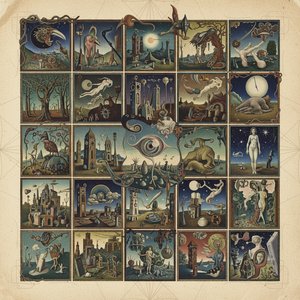
Acrylic On Canvas.

§ 1Catalogue data


Dit kunstwerk is auteursrechtelijk beschermd
De kunstwerken die op deze pagina worden weergegeven, zijn beschermd door de auteursrechtwetgeving, wat betekent dat het ons wettelijk niet is toegestaan om identieke reproducties te maken of te verkopen. Deze bescherming wordt gehandhaafd onder internationale overeenkomsten zoals de Conventie van Bern en door nationale wetgeving, waaronder de bepalingen van de Amerikaanse auteurswet - Titel 17. Alle rechten voorbehouden. Reproduceren of distribueren van afbeeldingen is niet toegestaan zonder uitdrukkelijke schriftelijke toestemming van WahooArt.com en de rechthebbenden.
Als een respectvol en legaal alternatief bieden wij op maat gemaakte, handgeschilderde kunstwerken aan die geïnspireerd zijn op het origineel. Onze bekwame en professionele kunstenaars bestuderen zorgvuldig de stijl, sfeer en artistieke essentie van het origineel om een nieuw, uniek werk te creëren dat dezelfde emotie oproept – terwijl het een op zichzelf staande, originele creatie blijft.
Deze methode voldoet volledig aan de auteursrechtwetgeving, omdat het niet gaat om het kopiëren of dupliceren van het beschermde kunstwerk. In plaats daarvan is er sprake van een creatieve herinterpretatie — een nieuw schilderij dat door het origineel wordt geïnspireerd, maar er niet identiek aan is.
 Lees meer over
§ 2Abstract
Beschrijving verzamelobject
Max Ernst’s "Forêt et soleil" presents a surreal nighttime forest scene with a luminous moon and enigmatic trees, embodying the artist's pioneering approach within the Surrealist movement – discover this captivating artwork.
Biografie kunstenaar
Max Ernst (1891-1976): Een baanbrekende Duitse surrealist! Bekend om frottage, collages & droomachtige schilderijen met vogels, landschappen en psychologische thema's. #MaxErnst #Surrealisme
§ 3Commentary
Max Ernst's "Forêt et Soleil": A Nocturne of Surreal Reverie
Max Ernst’s “Forêt et Soleil” (Forest and Sun) is not merely a depiction of a nighttime woodland; it’s an immersion into the subconscious, a carefully constructed dreamscape rendered with the precision and unsettling beauty that defined the artist's career. Painted by one of the most influential figures of the 20th century, this work exemplifies Ernst’s deep engagement with Surrealism, a movement he helped pioneer, seeking to unlock the power of the irrational and the symbolic through art.
- Subject Matter: The painting presents a dense forest under the watchful gaze of a luminous moon. The composition is dominated by towering trees, their forms distorted and imbued with an almost hallucinatory quality. A solitary bird perches on one of these branches, adding a touch of fragile life to the otherwise stark and silent scene.
- Style & Technique: Ernst’s technique is characterized by meticulous detail combined with deliberate ambiguity. He employs a layered approach, building up textures and patterns through multiple applications of paint – a hallmark of his process. The use of contrasting light and shadow creates a dramatic effect, emphasizing the surreal nature of the forest and heightening the sense of mystery.
- Historical Context: “Forêt et Soleil” was created during a period of intense artistic experimentation following World War I. The devastation and disillusionment of the war profoundly impacted artists like Ernst, leading them to reject traditional representational art in favor of exploring themes of anxiety, trauma, and the unconscious mind. Surrealism emerged as a direct response to this crisis, offering a new way of seeing and understanding the world.
Symbolic Layers: The Language of Dreams
Ernst’s work is rich in symbolism, drawing heavily on Freudian psychology and the exploration of dreams. The forest itself represents the unconscious mind – dark, dense, and full of hidden pathways. The moon, a recurring motif in Ernst's oeuvre, symbolizes intuition, the feminine principle, and the cyclical nature of time. Its bright illumination cuts through the darkness, suggesting a glimmer of hope or understanding within the depths of the psyche.
- The Trees: The distorted shapes of the trees are not literal representations but rather symbolic embodiments of repressed emotions and anxieties. Their patterns could be interpreted as visual metaphors for complex psychological states.
- The Bird: The solitary bird, a frequent element in Ernst’s work, often represents fragility, vulnerability, or perhaps a yearning for freedom within the confines of the unconscious.
Max Ernst's Artistic Philosophy
Born in Brühl, Germany, in 1891, Max Ernst was a profoundly intellectual artist. His academic background – encompassing philosophy, art history, literature, psychology, and psychiatry – informed his artistic practice in a unique way. He wasn’t simply interested in replicating what he saw; he sought to access deeper truths through the manipulation of form and imagery. This approach is vividly evident in “Forêt et Soleil,” where Ernst uses visual language to evoke emotional responses and stimulate the viewer's own subconscious.
- Surrealist Techniques: Ernst was a master of various Surrealist techniques, including frottage (rubbing textures onto paper) and decalcomania (spreading paint on a surface and then lifting it to create random patterns). These methods allowed him to tap into the unconscious and generate unexpected imagery.
- Influence of Dada: Ernst’s early work was influenced by Dada, another anti-art movement that challenged traditional notions of beauty and meaning. This influence can be seen in his willingness to embrace absurdity and reject conventional artistic norms.
Emotional Impact & Artistic Value
"Forêt et Soleil" possesses a haunting beauty that transcends its subject matter. The painting’s unsettling atmosphere, combined with Ernst's masterful technique, creates a powerful emotional response in the viewer. It invites contemplation on themes of isolation, mystery, and the hidden depths of the human psyche. This reproduction offers an exceptional opportunity to own a piece of art history, bringing the visionary world of Max Ernst into your space.
Veelgestelde vragen
Bij welke kunststroming behoort "Forêt et soleil" door Max Ernst?
"Forêt et soleil" door Max Ernst behoort tot de Surrealist Exploration-stroming. Deze stroming biedt de stilistische context van het werk.
Hoe verzadigd is het kleurenpalet van "Forêt et soleil"?
De kleuren van "Forêt et soleil" door Max Ernst hebben een Muted verzadiging. Verzadiging beschrijft hoe levendig of gedempt de kleuren zijn.
Uit welke fase van de carrière van Max Ernst is "Forêt et soleil"?
Binnen de carrière van Max Ernst valt "Forêt et soleil" in de Surrealist Maturity. Deze fase helpt om het werk te vergelijken met andere werken van de kunstenaar.



 Schakel over naar print


 Voor kunstwerken of reproducties die aan één zijde groter zijn dan 105 cm (ongeveer 41 inch), wordt de lijst als een losse set verzonden. Deze methode garandeert een veilige levering en voorkomt schade tijdens het transport.