


 Bekijk op ware grootte
 Verstuur
 Delen
Delen
 Details bekijken
 Gids voor studentenkunstwerken

 Download
 Vergelijkbare items
 Röntgenonderzoek
 Diavoorstelling
 Statistieken
L'Amour objectif


 Lees meer
De kunstwerken die op deze pagina worden weergegeven, zijn beschermd door de auteursrechtwetgeving, wat betekent dat het ons wettelijk niet is toegestaan om identieke reproducties te maken of te verkopen. Deze bescherming wordt gehandhaafd onder internationale overeenkomsten zoals de Conventie van Bern en door nationale wetgeving, waaronder de bepalingen van de Amerikaanse auteurswet - Titel 17. Alle rechten voorbehouden. Reproduceren of distribueren van afbeeldingen is niet toegestaan zonder uitdrukkelijke schriftelijke toestemming van WahooArt.com en de rechthebbenden.
Deze methode voldoet volledig aan de auteursrechtwetgeving, omdat het niet gaat om het kopiëren of dupliceren van het beschermde kunstwerk. In plaats daarvan is er sprake van een creatieve herinterpretatie — een nieuw schilderij dat door het origineel wordt geïnspireerd, maar er niet identiek aan is.
Giclée / Kunstafdrukken
Giclée- of canvasafdruk van museumkwaliteit met een snelle productie en flexibele afwerkingsmogelijkheden. ( Koop handgeschilderd kunstwerk Schakel over naar digitale afbeeldingen)




P118B €10

P118H €10

P118W €10

P438Z €10

P508JH €12

P508YH €12

P805H €10

P805Z €10

P919BZ €10

P919G €10

P919XJ €10

P959ZH €10

P968JZ €12

W106C €8

W218G €10

W218JH €8

W218Y €10

W307PJ €10

W316G €10

W316PJ €8

W316Y €10

W398PJ €8

W4111J €10

W500HY €15

W500JH €15

W692G €12

W849H €8

W940BG €15

W953PJ €8




Kies uit onze vooraf ingestelde maten die overeenkomen met de originele verhoudingen van het kunstwerk.

Voer de breedte en de hoogte in die u nodig heeft, passend bij uw lijst of uw muur. Een afdruk kan alleen worden ingekort, nooit groter worden gemaakt dan het origineel, waardoor een formaat met een andere verhouding een deel van de afbeelding verliest. Wij sturen u een digitaal mockup ter goedkeuring voordat we iets drukken. De afbeelding op deze pagina toont niet de werkelijke uitsnede — dit is alleen te zien op het mockup.
Wereldwijde levering () binnen 2 weken in plaats van de standaard 4/5 weken. (23 oktober)

Gratis wereldwijde expressverzending

Hoogwaardig linnen canvas

Volledige verzendverzekering

Garantie op terugbetaling van invoerrechten

Garantie op exacte kleurweergave

Retourbeleid van 100 dagen (alleen bij defecten)

100% Geld-terug-garantie

Korting bij meerdere afnames
 De optie voor glas is alleen beschikbaar bij een formaat kleiner dan 110 cm.

L'Amour objectif
Giclée / Kunstafdrukken
Formaat reproductie
-


Totaalprijs
€ 57
A Dreamscape of Desire: Unveiling Max Ernst’s L'Amour Objectif
In the quiet, unsettling corridors of the subconscious, where logic dissolves and the boundaries of reality blur, resides the hauntingly beautiful world of Max Ernst. His 1927 masterpiece, L'Amour Objectif, serves as a profound gateway into the Surrealist movement—a period defined by the intellectual tremors of post-World War I Europe. This is not merely a painting to be viewed; it is an experience to be felt. As one gazes upon the canvas, they are invited into a meticulously crafted meditation on desire and perception, where every element serves as a cryptic clue to the hidden depths of the human psyche.
The composition is a masterclass in surrealist tension, presenting a tableau that feels both strangely familiar and deeply alien. At the heart of this dreamscape stands a bird, a recurring and enigmatic motif in Ernst’s vast oeuvre, its long beak poised as if caught in a moment of silent contemplation. Yet, the bird does not exist in isolation. It is surrounded by a constellation of disconnected objects: a boat drifting through an unseen current, a solitary chair, and a clock perched near the upper right corner. This deliberate juxtaposition of unrelated items creates a sense of "objective chance," a concept where the random meeting of objects sparks a new, poetic meaning that bypasses rational thought.
The Alchemy of Technique and Texture
To touch the surface of L'Amour Objectif—even through a high-quality reproduction—is to encounter a landscape of profound tactile richness. Ernst was a pioneer of automatism, a technique designed to bypass the conscious mind and allow the unconscious to dictate the brushstroke. In this work, he achieves a breathtakingly complex texture by employing a collage-like method, layering the canvas with sand and burlap over a foundation of gesso. This creates an atmospheric depth that mimics the gritty, fragmented nature of memory itself.
The artist’s meticulous brushwork lends a sense of hyper-reality to these dreamlike forms, making the impossible feel tangibly present. For the discerning collector or interior designer, this textural complexity offers an unparalleled visual weight. The interplay of light and shadow across the textured surfaces provides a dynamic quality that changes with the ambient lighting of a room, ensuring that the artwork remains a living, breathing presence within any curated space.
Symbolism and the Echoes of Freud
Deeply embedded within the layers of this painting is the profound influence of Sigmund Freud’s psychoanalytic theories. Ernst, having studied psychology and psychiatry, utilized the canvas to explore the repressed anxieties and hidden impulses that define our existence. The clock, positioned prominently, acts as a symbol of time as an illusion—a reminder of the fleeting nature of consciousness and the persistent presence of temporal anxiety. Even the placement of the two bottles in the upper left corner suggests a fragmented reality, where even the most mundane objects are imbued with psychological significance.
For those seeking to bring a piece of art history into their homes, L'Amour Objectif offers more than just aesthetic beauty; it offers intellectual depth. It is a conversation piece that challenges the viewer to look beyond the surface and confront the mysteries of their own mind. Whether gracing a modern gallery wall or serving as a focal point in a sophisticated study, this reproduction captures the enduring spirit of Surrealism—a movement that continues to inspire awe, curiosity, and a profound emotional resonance in all who encounter it.
Vragen & Antwoorden
Waar wordt het Landscape-formaat van "L'Amour objectif" aanbevolen om te tonen?
Met zijn Landscape-vorm wordt een reproductie van "L'Amour objectif" aanbevolen voor een Living Room.
Waar komen de bezoekers van "L'Amour objectif" door Max Ernst vandaan?
De Statistieken-pagina van "L'Amour objectif" door Max Ernst presenteert statistieken over publieksbezoeken: de maandelijkse bezoeken aan dit kunstwerk, een vergelijking met de meest bekeken werken van de kunstenaar en de herkomst van de bezoekers.
Welk palet en welke hoofdkleur bepalen "L'Amour objectif"?
"L'Amour objectif" wordt gekenmerkt door een Earthy palet met Rosy Brown (#ceb19f) als dominante kleur.
Gerelateerde kunstwerken


Biografie van de kunstenaar
A Life Immersed in the Surreal
Max Ernst, geboren Maximilian Maria Ernst op 1 april 1891 in Brühl, Duitsland, was een onrustige geest die tot een van de meest invloedrijke figuren van de 20e-eeuwse kunst werd. Zijn reis was geen van conventionele artistieke opleiding; eerder een zelfgeleide verkenning aangedreven door filosofische reflectie, psychologische fascinatie en een diepe teleurstelling met maatschappelijke normen. Ernst’s vader, leraar van de doven en amateur schilder, instilledde hem zowel gevoeligheid voor de wereld als een rebellie tegen gevestigde autoriteit. Deze vroege dualiteit zou een kenmerkende eigenschap worden van zijn artistieke visie.
Ernst’s academische inspanningen aan de Universiteit van Bonn – omvatten filosofie, kunstgeschiedenis, literatuur, psychologie en psychiatrie – waren niet alleen afleidingen maar fundamentele elementen die zijn latere werk diepgaand beïnvloedden. Hij was niet simpelweg geïnteresseerd in *hoe* te schilderen; hij worstelde met *waarom*. Deze intellectuele nieuwsgierigheid leidde hem tot het ontmoeten van baanbrekende werken van Picasso, Van Gogh en Gauguin op de Sonderbund tentoonstelling in Keulen in 1912, een moment dat zijn artistieke traject onherstelbaar veranderde. De zaden van modernisme waren gezaaid.
Dada’s Disruptie en de Geboorte van Surrealistische Visies
De catastrofe van de Eerste Wereldoorlog bleek een keerpunt te zijn voor Ernst. Zijn ervaringen als soldaat aan zowel het Oost- als Westfront lieten hem diepgaand gekwetst achter, wat leidde tot een diepe scepsis ten opzichte van gevestigde orde en een verlangen naar nieuwe vormen van expressie. Deze teleurstelling vond vruchtbare grond in de opkomende Dada beweging, waar hij vol overtuiging aanleunde na zijn terugkeer naar Keulen in 1918. Samen met Hans Arp – een levenslange vriend en collaborateur – werd Ernst een centrale figuur in de Keulse Dada groep, die traditionele artistieke conventies verwerkte en absurditeit, kans en anti-rationaliteit omarmde.
Dada was echter slechts een tussenstap. In het begin van de jaren 1920 migreerde Ernst naar Parijs en voegde hij zich bij de Surrealistische kring, geleid door André Breton. Dit markeerde een verschuiving richting het verkennen van het rijk van dromen, het onbewuste en de irrationele. Invloedrijk waren de psychoanalytische theorieën van Sigmund Freud, waarnaar Ernst op zoek ging om de verborgen dieptes van de menselijke ervaring te ontgrendelen door zijn kunst. Hij was niet geïnteresseerd in het weergeven van de werkelijkheid zoals deze voorkwam, maar eerder in het onthullen van de onderliggende psychologische krachten die deze vormden.
Pioniers Technieken: Frottage, Grattage en Collage
Ernst’s artistieke innovatie strekte zich uit voor de onderwerpkeuze; hij was een meesterlijke experimentator met techniek. Hij nam niet simpelweg bestaande methoden aan—hij verzinsde nieuwe. Misschien zijn meest bekende bijdragen is frottage, een proces van wrijven met potlood of houtskoor over getextureerde oppervlakken om onverwachte en evocatieve beelden te creëren. Deze techniek, geboren uit een moment van verveling terwijl hij naar houtnerf keek, stelde Ernst in staat om in de diepten van het onderbewustzijn te duiken en vormen te genereren die zich verzetten tegen bewuste controle. Dicht gerelateerd was grattage, waarbij verf over een doek wordt geschraapt om onderliggende lagen te onthullen.
Hij gebruikte ook meesterlijk collage, het samenstellen van uiteenlopende elementen – beelden uit tijdschriften, wetenschappelijke illustraties, foto’s – in surrealistische composities die conventionele ideeën over representatie uitdaagden. Deze technieken waren niet simpelweg stijlicheden—ze waren integraal aan zijn verkenning van het onbewuste en zijn wens om traditionele artistieke grenzen te verstoren. Zijn schilderijen bevatten vaak terugkerende symbolische beelden: vogels (vooral zijn alter ego Loplop), desolate landschappen, verontrustende juxtaposities en een doordringende mystiek.
Een Erfgoed van Innovatie en Invloed
De uitbraak van de Tweede Wereldoorlog dwong Ernst tot vlucht uit Europa, waar hij onderdak vond in de Verenigde Staten. Hij bleef schilderen en experimenteren met nieuwe technieken gedurende zijn ballingschap, uiteindelijk terugkeerend naar Frankrijk na de oorlog, waar hij actief bleef tot zijn dood op 1 april 1976, een dag voor zijn 85e verjaardag.
Ernst’s bijdragen aan Dada en Surrealisme waren niets minder dan baanbrekend. Hij daagde artistieke normen uit, duikelde in de diepten van het onbewuste en verzinsde innovatieve technieken die nog steeds kunstenaars inspireren. Hij was niet simpelweg een schilder—hij was een ontdekkingsreiziger, een provocateur en een visionair die de grenzen van de kunst zelf uitbreidde.
- Belangrijke Werken: The Entire City, Euclides, Ofrenda funeraria, The Equivocal Woman, L’Ange du foyer
- Invloeden: Pablo Picasso, Vincent van Gogh, Paul Gauguin, Sigmund Freud, Giorgio de Chirico
- Bewegingen: Dada, Surrealisme
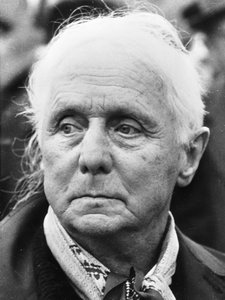
Max Ernst
1891 - 1976 , Duitsland
Snelle feiten
- Artistic Movement Or Style: Dada, Surrealisme
- Artists Or Movements Influenced By This Artist:
- Surrealisme
- Dada
- Artists Who Influenced This Artist:
- Picasso
- Van Gogh
- Gauguin
- Date Of Birth: 1 apr 1891
- Date Of Death: 1 apr 1976
- Full Name: Max Ernst
- Nationality: Duits/Amerikaans, Frans
- Notable Artworks:
- The Entire City
- Euclides
- Place Of Birth: Brühl, Duitsland
Gerelateerde artikelen

The Enduring Form: Exploring Themes & Techniques in Sculpture Across Historical Periods
Explore the rich history of sculpture from ancient masterpieces to contemporary innovations. Discover key techniques, influential artists & investment potential for discerning art collectors.
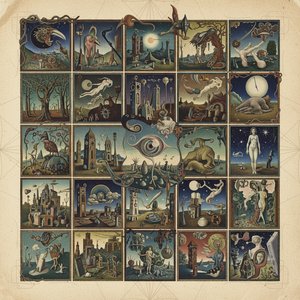
Max Ernst's Top 25 Meesterwerken: Surrealisme voor uw Interieur | AllPaintingsStore
Ontdek de top 25 meesterwerken van Max Ernst, pionier van het surrealisme & dadaïsme. Duik in zijn droombeelden en unieke technieken. Museumkwaliteit kunst reproducties voor uw interieur op AllPaintingsStore.com. Exploreer de collectie online!

Top 10 Legendarische Bronzen Meesterwerken die de Kunst Veranderden | AllPaintingsStore
Ontdek de 10 meest legendarische bronzen meesterwerken die de kunstgeschiedenis veranderden! Van Rodin tot Michelangelo, leer over techniek & betekenis. Museumkwaliteit reproducties voor uw interieur op AllPaintingsStore.com. Exploreer de collectie online!
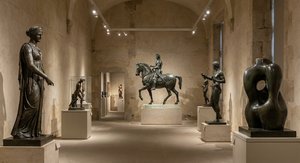
Top 10 Bronzen Beeldhouwwerken die de Kunst Voorgoed Veranderden | AllPaintingsStore
Ontdek de 10 meest legendarische bronzen beeldhouwwerken die kunstgeschiedenis schreven! Van Rodin tot Michelangelo, leer over hun meesterwerken & technieken. Vind museumkwaliteit reproducties en inspiratie voor uw interieur op AllPaintingsStore.com.

The Enduring Form: Sculpture Across History, Technique & Emotional Resonance
Explore the rich history of sculpture with AllPaintingsStore. Discover key techniques, influential artists & investment potential for discerning collectors. Expert insights into valuing and collecting timeless masterpieces.


