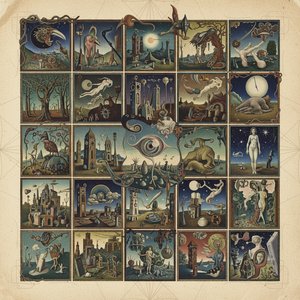
Oil On Canvas.

§ 1Catalogusgegevens


Dit kunstwerk is auteursrechtelijk beschermd
De kunstwerken die op deze pagina worden weergegeven, zijn beschermd door de auteursrechtwetgeving, wat betekent dat het ons wettelijk niet is toegestaan om identieke reproducties te maken of te verkopen. Deze bescherming wordt gehandhaafd onder internationale overeenkomsten zoals de Conventie van Bern en door nationale wetgeving, waaronder de bepalingen van de Amerikaanse auteurswet - Titel 17. Alle rechten voorbehouden. Reproduceren of distribueren van afbeeldingen is niet toegestaan zonder uitdrukkelijke schriftelijke toestemming van WahooArt.com en de rechthebbenden.
Als een respectvol en legaal alternatief bieden wij op maat gemaakte, handgeschilderde kunstwerken aan die geïnspireerd zijn op het origineel. Onze bekwame en professionele kunstenaars bestuderen zorgvuldig de stijl, sfeer en artistieke essentie van het origineel om een nieuw, uniek werk te creëren dat dezelfde emotie oproept – terwijl het een op zichzelf staande, originele creatie blijft.
Deze methode voldoet volledig aan de auteursrechtwetgeving, omdat het niet gaat om het kopiëren of dupliceren van het beschermde kunstwerk. In plaats daarvan is er sprake van een creatieve herinterpretatie — een nieuw schilderij dat door het origineel wordt geïnspireerd, maar er niet identiek aan is.
 Lees meer over
§ 2Abstract
Beschrijving verzamelobject
Explore Max Ernst’s surreal masterpiece ‘Landscape with Wheat Germ,’ created in 1936 during his Surrealist period. Discover its unsettling atmosphere, symbolic imagery & Dadaist influence.
Biografie kunstenaar
Max Ernst (1891-1976): Een baanbrekende Duitse surrealist! Bekend om frottage, collages & droomachtige schilderijen met vogels, landschappen en psychologische thema's. #MaxErnst #Surrealisme
§ 3Toelichting
A Dreamscape Forged in Rebellion
In the vast, labyrinthine corridors of Surrealism, few works capture the unsettling beauty of the subconscious quite like Max Ernst’s Landscape with Wheatgerm. Created in 1936, this oil on canvas masterpiece serves as a profound window into the human psyche, where the boundaries between the rational world and the dream state dissolve into a singular, haunting vision. To gaze upon this landscape is to abandon the safety of logic and surrender to an imagery that is simultaneously mesmerizing and deeply disquieting. Ernst does not merely depict a scene; he engineers a psychological experience, inviting the viewer to navigate a terrain where the familiar becomes strange and the inanimate breathes with a life of its almost spectral intensity.
The painting’s origins are rooted in the rebellious spirit of the Dada movement, a period of profound disillusionment following the devastation of World War I. Having embraced the Dadaist rejection of reason and tradition, Ernst transitioned into Surrealism by seeking to liberate art from the constraints of representation. In Landscape with Wheatgerm, we see this evolution perfected. The composition is a deliberate disruption of the pastoral ideal, replacing the comfort of a recognizable horizon with a desolate, muted landscape that feels as though it has been excavated directly from a fever dream.
The Language of Symbols and Shadows
Every element within Ernst’s composition is laden with a heavy, symbolic significance that demands contemplation. The artist employs a disconcerting blend of organic and inorganic forms—a technique that creates a sense of profound ontological instability. We encounter dogs positioned with a primal vulnerability, alongside seemingly random objects such as chairs, bottles, and vases scattered across the terrain. These disparate components coalesce into an evocative scene that transcends literal depiction. The presence of the bird, perched amidst the ruggedness, introduces a note of fragile aspiration, yet it remains framed against an oppressive, mountainous backdrop that suggests the weight of existence.
At the very heart of this visual narrative lies the wheatgerm itself—a potent symbol of embryonic potential, rebirth, and the promise of future harvests. Yet, Ernst masterfully complicates this optimism by juxtaposing it with elements of decay and uncertainty. This tension between fertility and fragility is what gives the work its enduring emotional resonance. For the collector or the observer, the painting offers a complex dialogue between growth and dissolution, making it a piece that does not merely sit upon a wall but actively engages the intellect and stirs the soul.
A Masterclass in Texture and Technique
For the interior designer or art enthusiast, the technical brilliance of Landscape with Wheatgerm offers unparalleled opportunities for visual storytelling. Ernst was a pioneer of revolutionary techniques, including frottage (rubbing) and grattage (scraping), which he used to bypass the conscious mind and tap into the irrational. In this work, his masterful use of mixed media—combining traditional oil paints with elements reminiscent of collage—creates a textured surface that feels tactile and sculptural. The way light and shadow dance across the layered botanical fragments and rocky outcrops provides a rich, multidimensional quality.
This intricate layering of memory and matter allows the painting to possess a commanding presence in any sophisticated space. Whether anchored in a minimalist gallery setting or serving as a profound focal point in a curated residential collection, the artwork’s muted tones and complex textures provide a sense of depth that pulls the viewer into its enigmatic world. Owning a high-quality reproduction of such a cornerstone of Surrealism is more than an acquisition of decor; it is an invitation to inhabit a landscape of infinite imagination.
Veelgestelde vragen
Waar kan ik een voorproefje van "Landscape with Wheatgerm" bekijken?
Een voorproefje van "Landscape with Wheatgerm" door Max Ernst is beschikbaar op de Voorvertoning-pagina van het kunstwerk.
Hoe brengt "Landscape with Wheatgerm" licht en donker in evenwicht?
"Landscape with Wheatgerm" heeft een algehele helderheid van balanced en een luminantie van Gentle Luminance.
Welke emotie straalt "Landscape with Wheatgerm" door Max Ernst uit?
"Landscape with Wheatgerm" roept een Reflective gevoel op. De emotionele toon beschrijft de indruk die het werk achterlaat.



 Schakel over naar print


 Voor kunstwerken of reproducties die aan één zijde groter zijn dan 105 cm (ongeveer 41 inch), wordt de lijst als een losse set verzonden. Deze methode garandeert een veilige levering en voorkomt schade tijdens het transport.