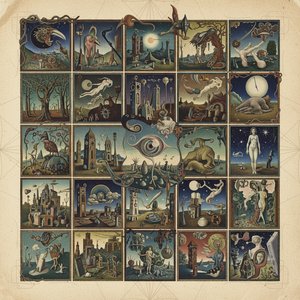
1920. Acrylic, 25.0 x 18.0 cm.

§ 1Catalogusgegevens

- 25.0 x 18.0 cm


Dit kunstwerk is auteursrechtelijk beschermd
De kunstwerken die op deze pagina worden weergegeven, zijn beschermd door de auteursrechtwetgeving, wat betekent dat het ons wettelijk niet is toegestaan om identieke reproducties te maken of te verkopen. Deze bescherming wordt gehandhaafd onder internationale overeenkomsten zoals de Conventie van Bern en door nationale wetgeving, waaronder de bepalingen van de Amerikaanse auteurswet - Titel 17. Alle rechten voorbehouden. Reproduceren of distribueren van afbeeldingen is niet toegestaan zonder uitdrukkelijke schriftelijke toestemming van WahooArt.com en de rechthebbenden.
Als een respectvol en legaal alternatief bieden wij op maat gemaakte, handgeschilderde kunstwerken aan die geïnspireerd zijn op het origineel. Onze bekwame en professionele kunstenaars bestuderen zorgvuldig de stijl, sfeer en artistieke essentie van het origineel om een nieuw, uniek werk te creëren dat dezelfde emotie oproept – terwijl het een op zichzelf staande, originele creatie blijft.
Deze methode voldoet volledig aan de auteursrechtwetgeving, omdat het niet gaat om het kopiëren of dupliceren van het beschermde kunstwerk. In plaats daarvan is er sprake van een creatieve herinterpretatie — een nieuw schilderij dat door het origineel wordt geïnspireerd, maar er niet identiek aan is.
 Lees meer over
§ 2Abstract
Beschrijving verzamelobject
Max Ernst’s surrealist masterpiece ‘Pleiades’ captures a mesmerizing woman submerged in the ocean depths, adorned with a bird symbolizing freedom and contemplation—a striking visual testament to his intellectual exploration of psychology and art history.
Biografie kunstenaar
Max Ernst (1891-1976): Een baanbrekende Duitse surrealist! Bekend om frottage, collages & droomachtige schilderijen met vogels, landschappen en psychologische thema's. #MaxErnst #Surrealisme
§ 3Toelichting
A Vision of Mythic Femininity: Exploring Max Ernst’s “Pleiades”
The painting "Pleiades," created by German Surrealist artist Max Ernst in 1920, transcends mere visual representation; it's a deliberate invocation of myth and psychology, meticulously crafted to unsettle the viewer and provoke contemplation. Measuring 25 x 18 cm, this artwork embodies Ernst’s signature approach – blending disparate elements into a cohesive dreamscape that speaks volumes about the anxieties and aspirations of its time.- Subject Matter: At first glance, “Pleiades” presents a woman bathed in an ethereal glow, her head tilted back as if gazing upwards towards the heavens. This posture immediately establishes a connection to classical mythology, referencing the Pleiades – seven sisters of Greek legend who are said to guide sailors across turbulent seas. The woman’s nudity symbolizes vulnerability and purity, juxtaposed against the presence of a bird perched on her shoulder—a motif frequently employed by Ernst to represent freedom and instinct.
- Style & Technique: Ernst's Surrealist style is characterized by automatism – a technique he pioneered alongside André Breton – where artists attempt to bypass conscious thought and tap into the subconscious mind. This is evident in the collage-like construction of “Pleiades,” incorporating meticulously arranged rocks, fish, and other aquatic creatures. The artist utilized oil paint on canvas, applying it with textured brushstrokes that contribute to the painting’s palpable atmosphere.
Historical Context: Surrealism's Response to Trauma
The creation of “Pleiades” occurred during a period marked by profound upheaval – the aftermath of World War I and the burgeoning influence of psychoanalysis spearheaded by Sigmund Freud. Surrealist artists sought to liberate art from rational constraints, exploring irrationality, dreams, and repressed desires as pathways to artistic expression. Ernst’s preoccupation with mythology reflects this broader intellectual movement's fascination with archetypal narratives and their ability to illuminate the human psyche.
Symbolism Beyond Representation
Beyond its immediate visual elements, “Pleiades” is laden with symbolic significance. The bird symbolizes aspiration and transcendence, mirroring the Pleiades’ celestial journey. The woman's gaze upward suggests a yearning for spiritual enlightenment—a desire to escape the limitations of earthly existence. Furthermore, the rocks represent stability amidst chaos, grounding the ethereal figures within a tangible realm.
Emotional Impact & Artistic Legacy
"Pleiades" isn’t merely aesthetically pleasing; it's designed to elicit an emotional response from the viewer. Ernst’s masterful manipulation of color and texture creates a sense of unease and wonder, inviting contemplation on themes of femininity, mythology, and the subconscious mind. It remains a cornerstone of Surrealist art history, demonstrating Ernst’s ability to distill complex psychological ideas into striking visual imagery—a testament to his enduring influence on subsequent generations of artists.
Veelgestelde vragen
Is "Pleiades" in zijn geheel eerder licht of donker?
"Pleiades" heeft een algehele helderheid van bright en een luminantie van Gentle Luminance.
Onder welke pseudoniemen of andere namen is Max Ernst bekend?
Max Ernst staat ook bekend als Maximiliaan Maria Ernst.
Is een download met hoge resolutie van "Pleiades" beschikbaar?
"Pleiades" is beschikbaar als een digitale afbeelding in hoge resolutie om te downloaden, direct te verkrijgen op de Digitale afbeelding pagina.



 Schakel over naar print


 Voor kunstwerken of reproducties die aan één zijde groter zijn dan 105 cm (ongeveer 41 inch), wordt de lijst als een losse set verzonden. Deze methode garandeert een veilige levering en voorkomt schade tijdens het transport.