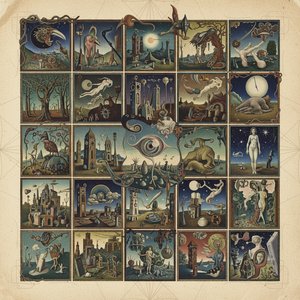
Engraving.

§ 1Catalogue data


Dit kunstwerk is auteursrechtelijk beschermd
De kunstwerken die op deze pagina worden weergegeven, zijn beschermd door de auteursrechtwetgeving, wat betekent dat het ons wettelijk niet is toegestaan om identieke reproducties te maken of te verkopen. Deze bescherming wordt gehandhaafd onder internationale overeenkomsten zoals de Conventie van Bern en door nationale wetgeving, waaronder de bepalingen van de Amerikaanse auteurswet - Titel 17. Alle rechten voorbehouden. Reproduceren of distribueren van afbeeldingen is niet toegestaan zonder uitdrukkelijke schriftelijke toestemming van WahooArt.com en de rechthebbenden.
Als een respectvol en legaal alternatief bieden wij op maat gemaakte, handgeschilderde kunstwerken aan die geïnspireerd zijn op het origineel. Onze bekwame en professionele kunstenaars bestuderen zorgvuldig de stijl, sfeer en artistieke essentie van het origineel om een nieuw, uniek werk te creëren dat dezelfde emotie oproept – terwijl het een op zichzelf staande, originele creatie blijft.
Deze methode voldoet volledig aan de auteursrechtwetgeving, omdat het niet gaat om het kopiëren of dupliceren van het beschermde kunstwerk. In plaats daarvan is er sprake van een creatieve herinterpretatie — een nieuw schilderij dat door het origineel wordt geïnspireerd, maar er niet identiek aan is.
 Lees meer over
§ 2Abstract
Beschrijving verzamelobject
Explore Max Ernst’s ‘Sin título,’ a surreal black & white etching featuring a serpent struggle & Mona Lisa. Discover Dada & Surrealism's dynamic tension.
Biografie kunstenaar
Max Ernst (1891-1976): Een baanbrekende Duitse surrealist! Bekend om frottage, collages & droomachtige schilderijen met vogels, landschappen en psychologische thema's. #MaxErnst #Surrealisme
§ 3Commentary
A Descent into the Unconscious: Examining Max Ernst’s “Sin título”
Max Ernst's "Sin título" (Untitled) isn’t merely a black and white etching; it’s an invitation to a psychological landscape, a confrontation with primal fears rendered in stark, unsettling detail. The artwork immediately commands attention through its dynamic composition – a wrestling match between a man and a colossal serpent dominates the frame, interwoven with a ghostly cameo of Mona Lisa that subtly complicates the narrative. Ernst, a pivotal figure in both Dada and Surrealism, masterfully employs a technique reminiscent of engraving or etching, creating an extraordinary contrast between light and shadow, sharp lines, and a flattened perspective that contributes to the work’s dreamlike quality. This isn't simply a depiction of physical struggle; it’s a visual representation of internal conflict, a battle waged within the depths of the human psyche.
The choice of materials – likely etched onto a metal plate and subsequently printed – speaks volumes about Ernst’s artistic process. The rigid linearity of the linework, while creating a graphic appearance, also suggests an underlying tension, mirroring the struggle depicted on the surface. The deliberate lack of shading or realistic depth further enhances this sense of unease, pushing the scene into the realm of symbolism and allegory. It's crucial to note that Ernst was deeply interested in exploring the subconscious, and “Sin título” is a prime example of his ability to translate complex psychological themes into visual form.
The Symbolism of Serpent and Woman: Echoes of Mythology and Art History
The serpent itself is a potent symbol throughout history – representing temptation, chaos, knowledge, and the cyclical nature of life. Here, it’s not merely a beast but an embodiment of primal urges, a force resisting control. The man wrestling with it embodies humanity's struggle against these darker aspects of its own being. Interestingly, positioned within this chaotic scene is a subtle yet significant detail: the inclusion of Mona Lisa. This iconic portrait, instantly recognizable and imbued with an aura of serene beauty, acts as a counterpoint to the turmoil unfolding before us. Some art historians interpret this juxtaposition as representing the eternal conflict between reason and emotion, or perhaps the allure of the unattainable – a reminder that even in moments of intense struggle, there exists a lingering sense of beauty and detachment.
The tower-like structure in the background adds another layer to the symbolism. Towers often represent ambition, power, and reaching for the heavens—but here, it feels somewhat ominous, perhaps suggesting an unattainable goal or a precarious position within this internal struggle. The overall composition suggests a descent into the unconscious, a confrontation with fundamental human dilemmas.
Ernst’s Methodologies: Frottage and the Surrealist Approach
Understanding Max Ernst's artistic methods is key to appreciating “Sin título.” He was a pioneer of techniques like *frottage* – rubbing a pencil over textured surfaces to create unexpected images – and *grattage*, scraping paint across canvas to reveal hidden patterns. These processes were designed to bypass conscious control, tapping into the subconscious mind and generating surprising visual results. This approach is clearly evident in “Sin título,” where the deliberate use of line work and the seemingly random arrangement of elements contribute to a sense of controlled chaos. Ernst wasn’t simply painting what he *saw*; he was actively seeking to access and translate the hidden realities of his inner world.
The artwork's stark black and white palette further emphasizes this exploration of the subconscious. It strips away any distractions, forcing the viewer to confront the raw emotion and psychological intensity of the scene. It’s a testament to Ernst’s skill that he can create such a powerful and unsettling image using such a limited range of tones.
A Reproduction for the Collector: Bringing “Sin título” into Your Space
AllPaintingsStore offers meticulously hand-painted reproductions of Max Ernst's "Sin título," capturing the essence of this iconic work with unparalleled detail and fidelity. Our artists replicate Ernst’s distinctive linework, creating a stunning visual experience that faithfully reproduces the artwork’s unsettling atmosphere and symbolic depth. Whether you are an art collector seeking to expand your Surrealist collection or simply looking for a unique piece of art to enhance your interior design, our reproduction provides a beautiful and authentic representation of this seminal work. The high-quality materials used ensure that the reproduction will last for generations, preserving the power and mystery of Ernst’s vision. Explore our options today and bring this captivating image into your world.
Veelgestelde vragen
Hoe harmonieus is het kleurgebruik in "Sin título" door Max Ernst?
"Sin título" door Max Ernst vertoont een Strong Color Unity kleurharmonie.
Waar kan ik statistieken vinden over "Sin título" door Max Ernst?
Er bestaat een Statistieken-pagina voor "Sin título". Deze brengt de maandelijkse bezoeken aan het kunstwerk en andere werken van de kunstenaar in kaart, met uitsplitsingen naar land en taal.
Hoe verhoudt de stijl van "Sin título" zich tot het tijdperk van de maker?
"Sin título" door Max Ernst behoort tot de Surrealism-stroming, uit de Moderne tijd-periode van de maker.


 Schakel over naar print


 Voor kunstwerken of reproducties die aan één zijde groter zijn dan 105 cm (ongeveer 41 inch), wordt de lijst als een losse set verzonden. Deze methode garandeert een veilige levering en voorkomt schade tijdens het transport.