

Oil On Canvas.

§ 1Catalogusgegevens


Dit kunstwerk is auteursrechtelijk beschermd
De kunstwerken die op deze pagina worden weergegeven, zijn beschermd door de auteursrechtwetgeving, wat betekent dat het ons wettelijk niet is toegestaan om identieke reproducties te maken of te verkopen. Deze bescherming wordt gehandhaafd onder internationale overeenkomsten zoals de Conventie van Bern en door nationale wetgeving, waaronder de bepalingen van de Amerikaanse auteurswet - Titel 17. Alle rechten voorbehouden. Reproduceren of distribueren van afbeeldingen is niet toegestaan zonder uitdrukkelijke schriftelijke toestemming van WahooArt.com en de rechthebbenden.
Als een respectvol en legaal alternatief bieden wij op maat gemaakte, handgeschilderde kunstwerken aan die geïnspireerd zijn op het origineel. Onze bekwame en professionele kunstenaars bestuderen zorgvuldig de stijl, sfeer en artistieke essentie van het origineel om een nieuw, uniek werk te creëren dat dezelfde emotie oproept – terwijl het een op zichzelf staande, originele creatie blijft.
Deze methode voldoet volledig aan de auteursrechtwetgeving, omdat het niet gaat om het kopiëren of dupliceren van het beschermde kunstwerk. In plaats daarvan is er sprake van een creatieve herinterpretatie — een nieuw schilderij dat door het origineel wordt geïnspireerd, maar er niet identiek aan is.
 Lees meer over
§ 2Abstract
Beschrijving verzamelobject
Discover Max Ernst's 'Snow Flowers' (1929), a surreal abstract masterpiece blending vibrant colors, textured surfaces, and organic forms. Perfect for art collectors seeking unique, imaginative wall art.
Biografie kunstenaar
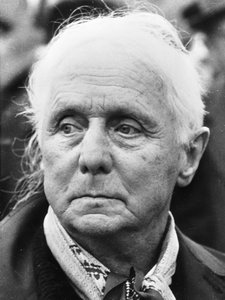
Max Ernst (1891-1976): Een baanbrekende Duitse surrealist! Bekend om frottage, collages & droomachtige schilderijen met vogels, landschappen en psychologische thema's. #MaxErnst #Surrealisme
§ 3Toelichting
A Surrealist Echo of Disillusionment
In the turbulent landscape of the early 20th century, few artists captured the fractured psyche of a post-war era as profoundly as Max Ernst. His 1929 masterpiece, Snow Flowers, serves as a mesmerizing portal into a world where the boundaries between reality and the subconscious dissolve. Born from the bitter ashes of World and I, the Dada movement—and subsequently Surrealism—sought to reject the rationalist dogmas that many believed had led humanity toward catastrophe. In this oil on canvas, Ernst does not merely depict a scene; he orchestrates an experiment in visual perception, inviting the viewer to wander through a dreamscape where organic forms and geometric fragments intertwine in a delicate, unsettling dance.
The composition of Snow Flowers is a masterclass in the beauty of chance. Eschewing the rigid constraints of traditional realism, Ernst employs a fragmented arrangement that feels both spontaneous and deeply intentional. Scattered across the canvas like relics from a forgotten dream are disparate elements: delicate flowers, textured mushrooms, weathered rocks, and even the haunting presence of a clock. This technique, rooted in the Dadaist embrace of spontaneity, mirrors the movement’s broader critique of structured thought. The muted, earthy tones that permeate the work lend it an aged patina, evoking a sense of nostalgia and decay that speaks to the collective disillusionment of a generation grappling with shifting moral frameworks and the fragility of existence.
Symbolism and the Language of Dreams
To gaze upon Snow Flowers is to engage in a decoding of symbols. The flora within the piece—particularly the budding flowers—acts as a poignant metaphor for nascent growth, yet they are inextricably linked to themes of inevitable decline. This juxtaposition of life and decay creates a tension that is central to Ernst’s vision. The inclusion of mushrooms and organic textures suggests a primal, subterranean world, one that exists beneath the veneer of civilization. Through these motifs, Ernst explores the concept of transformation, suggesting that within every end lies the seed of a new, albeit stranger, beginning.
The presence of the clock introduces an element of temporal anxiety, reminding the observer of the relentless passage of time and the ephemeral nature of all living things. For the discerning collector or interior designer, this painting offers more than mere decoration; it provides a profound intellectual and emotional anchor. The layered textures and the interplay of light and shadow create a tactile richness that invites close inspection, making it a compelling centerpiece for any modern or eclectic space. Whether placed in a quiet study or a bold contemporary gallery, Snow Flowers continues to resonate, offering an enduring sense of wonder, introspection, and the sublime beauty found within the irrational.
Veelgestelde vragen
Kan ik augmented reality gebruiken om "Snow Flowers" door Max Ernst in mijn eigen ruimte te bekijken?
"Snow Flowers" heeft een augmented reality-preview: de AR-weergave-pagina van het kunstwerk toont het in uw eigen ruimte op een compatibel apparaat.
Aan welke kunstenaar wordt "Snow Flowers" toegeschreven?
"Snow Flowers" is gemaakt door Max Ernst. De informatie op deze pagina beschrijft het originele werk van Max Ernst.
Waar kan ik een handgeschilderde reproductie van "Snow Flowers" door Max Ernst kopen?
Handgeschilderde reproducties van "Snow Flowers" door Max Ernst zijn verkrijgbaar via deze website: een met de hand geschilderde olieverfreproductie op linnen canvas, te bestellen op de Handgeschilderde reproductie pagina.


 Schakel over naar print


 Voor kunstwerken of reproducties die aan één zijde groter zijn dan 105 cm (ongeveer 41 inch), wordt de lijst als een losse set verzonden. Deze methode garandeert een veilige levering en voorkomt schade tijdens het transport.


