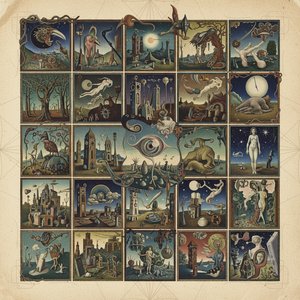
Acrylic On Canvas.

§ 1Catalogusgegevens


Dit kunstwerk is auteursrechtelijk beschermd
De kunstwerken die op deze pagina worden weergegeven, zijn beschermd door de auteursrechtwetgeving, wat betekent dat het ons wettelijk niet is toegestaan om identieke reproducties te maken of te verkopen. Deze bescherming wordt gehandhaafd onder internationale overeenkomsten zoals de Conventie van Bern en door nationale wetgeving, waaronder de bepalingen van de Amerikaanse auteurswet - Titel 17. Alle rechten voorbehouden. Reproduceren of distribueren van afbeeldingen is niet toegestaan zonder uitdrukkelijke schriftelijke toestemming van WahooArt.com en de rechthebbenden.
Als een respectvol en legaal alternatief bieden wij op maat gemaakte, handgeschilderde kunstwerken aan die geïnspireerd zijn op het origineel. Onze bekwame en professionele kunstenaars bestuderen zorgvuldig de stijl, sfeer en artistieke essentie van het origineel om een nieuw, uniek werk te creëren dat dezelfde emotie oproept – terwijl het een op zichzelf staande, originele creatie blijft.
Deze methode voldoet volledig aan de auteursrechtwetgeving, omdat het niet gaat om het kopiëren of dupliceren van het beschermde kunstwerk. In plaats daarvan is er sprake van een creatieve herinterpretatie — een nieuw schilderij dat door het origineel wordt geïnspireerd, maar er niet identiek aan is.
 Lees meer over
§ 2Abstract
Beschrijving verzamelobject
Explore Max Ernst’s ‘Untitled (13)’ – a surreal collage masterpiece! Dive into its dreamlike imagery, textured layers & symbolic forms from the Dada/Surrealist era.
Biografie kunstenaar
Max Ernst (1891-1976): Een baanbrekende Duitse surrealist! Bekend om frottage, collages & droomachtige schilderijen met vogels, landschappen en psychologische thema's. #MaxErnst #Surrealisme
§ 3Toelichting
A Dreamscape of Disquiet: Exploring Max Ernst’s ‘Untitled (13)’
This captivating work by Max Ernst, known as ‘Untitled (13),’ plunges viewers into a surreal and densely populated world – a hallmark of his groundbreaking contributions to Dadaism and Surrealism. Created likely during his prolific *frottage* period, the artwork is not merely an image but an invitation to decipher a complex visual language born from the subconscious.Decoding the Visual Language
The composition is immediately striking for its crowded, layered quality. Ernst masterfully builds a sense of claustrophobia and disorientation through overlapping forms and a strong vertical emphasis anchored by a central structure reminiscent of a tower or antenna. This ‘tower’ doesn't offer stability but instead seems to pulse with an unsettling energy, extending outwards into a landscape populated by bizarre, biomorphic shapes and fragmented geometric patterns. The interplay between organic curves and sharp angles creates a dynamic tension, mirroring the internal conflicts often explored within Surrealist art. The color palette is predominantly dark, punctuated by strategically placed vibrant hues that draw the eye and heighten the dreamlike atmosphere.Technique & Materials: A Fusion of Chance and Control
Ernst’s technique in ‘Untitled (13)’ is a testament to his innovative spirit. He expertly combines oil paint with paper collage, creating a richly textured surface that invites tactile exploration – even through reproduction. The *frottage* process—rubbing over textured surfaces to create patterns—is subtly present, adding another layer of visual complexity. This layering isn’t accidental; it's a deliberate attempt to unlock the creative potential of chance and subconscious association. The visible brushstrokes and collage elements contribute to the artwork’s raw, almost primal energy.Symbolism & Interpretation
The subject matter remains deliberately ambiguous, resisting any single definitive interpretation. The central tower/antenna could symbolize technological advancement, communication, or even a distorted representation of human aspiration. Plant-like forms intertwine with mechanical elements, suggesting a complex relationship between nature and technology – a recurring theme in Ernst’s work. Scattered throughout the composition are small, enigmatic figures that seem lost within this chaotic landscape, perhaps representing humanity's alienation in the modern world. The artwork is ripe with symbolism, inviting viewers to project their own interpretations onto its evocative imagery.Historical Context: A Bridge Between Worlds
Max Ernst was a pivotal figure in 20th-century art, bridging the gap between Dada’s nihilistic rebellion and Surrealism’s exploration of the unconscious mind. Emerging from the trauma of World War I, both movements sought to challenge conventional artistic norms and expose the irrationality of modern society. ‘Untitled (13)’ embodies this spirit of experimentation and revolt, reflecting a post-war world grappling with uncertainty and psychological upheaval. Ernst's work directly influenced generations of artists and continues to resonate today.Emotional Resonance & Interior Design
‘Untitled (13)’ evokes a powerful emotional response – a sense of unease, mystery, and perhaps even a touch of dread. It’s not an artwork that offers easy comfort but rather one that provokes thought and introspection. Its complex composition and dark palette make it a striking focal point for any interior space. A high-quality reproduction would be particularly well-suited to modern or eclectic interiors, adding a layer of intellectual depth and artistic sophistication. The artwork’s inherent drama and symbolic richness will undoubtedly spark conversation and inspire contemplation.Veelgestelde vragen
Waar kan ik statistieken vinden over "Untitled (13)" door Max Ernst?
Er bestaat een Statistieken-pagina voor "Untitled (13)". Deze brengt de maandelijkse bezoeken aan het kunstwerk en andere werken van de kunstenaar in kaart, met uitsplitsingen naar land en taal.
Wie is de maker van "Untitled (13)" en bij welke stroming hoort dit werk?
Max Ernst creëerde "Untitled (13)" binnen de Surrealism-stroming.
Is "Untitled (13)" vrij van auteursrecht?
"Untitled (13)" door Max Ernst valt onder nog steeds auteursrechtelijk beschermd. Deze status bepaalt hoe de afbeelding van het werk mag worden gereproduceerd.



 Schakel over naar print


 Voor kunstwerken of reproducties die aan één zijde groter zijn dan 105 cm (ongeveer 41 inch), wordt de lijst als een losse set verzonden. Deze methode garandeert een veilige levering en voorkomt schade tijdens het transport.