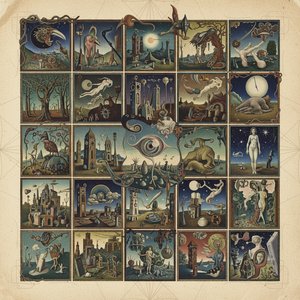
Oil On Canvas.

§ 1Catalogue data


Dit kunstwerk is auteursrechtelijk beschermd
De kunstwerken die op deze pagina worden weergegeven, zijn beschermd door de auteursrechtwetgeving, wat betekent dat het ons wettelijk niet is toegestaan om identieke reproducties te maken of te verkopen. Deze bescherming wordt gehandhaafd onder internationale overeenkomsten zoals de Conventie van Bern en door nationale wetgeving, waaronder de bepalingen van de Amerikaanse auteurswet - Titel 17. Alle rechten voorbehouden. Reproduceren of distribueren van afbeeldingen is niet toegestaan zonder uitdrukkelijke schriftelijke toestemming van WahooArt.com en de rechthebbenden.
Als een respectvol en legaal alternatief bieden wij op maat gemaakte, handgeschilderde kunstwerken aan die geïnspireerd zijn op het origineel. Onze bekwame en professionele kunstenaars bestuderen zorgvuldig de stijl, sfeer en artistieke essentie van het origineel om een nieuw, uniek werk te creëren dat dezelfde emotie oproept – terwijl het een op zichzelf staande, originele creatie blijft.
Deze methode voldoet volledig aan de auteursrechtwetgeving, omdat het niet gaat om het kopiëren of dupliceren van het beschermde kunstwerk. In plaats daarvan is er sprake van een creatieve herinterpretatie — een nieuw schilderij dat door het origineel wordt geïnspireerd, maar er niet identiek aan is.
 Lees meer over
§ 2Abstract
Beschrijving verzamelobject
A striking surrealist statue by Max Ernst depicts a demonic figure against a brick wall, showcasing his unique artistic vision and exploration of the subconscious. Discover this captivating artwork and bring its powerful imagery into your space.
Biografie kunstenaar
Max Ernst (1891-1976): Een baanbrekende Duitse surrealist! Bekend om frottage, collages & droomachtige schilderijen met vogels, landschappen en psychologische thema's. #MaxErnst #Surrealisme
§ 3Commentary
Unveiling the Shadow: An Exploration of Max Ernst’s “Untitled (6492)”
Max Ernst's "Untitled (6492)" presents a compelling and unsettling vision, a testament to the artist’s profound engagement with the subconscious and his exploration of darker human impulses. The image depicts a powerfully rendered statue – a demonic figure crowned with horns – set against the stark backdrop of a brick wall. This isn’t merely a depiction of a monster; it's an embodiment of anxieties, a visual manifestation of the psychological turmoil that characterized Ernst’s artistic output during his most intensely surreal period.
- Subject Matter: The central figure immediately evokes archetypal imagery of evil and temptation. Its posture, though seemingly static, suggests a latent energy, a coiled threat ready to be unleashed.
- Composition: The statue’s placement within the frame is deliberate, dominating the visual field and drawing the viewer into its unsettling presence. The surrounding smaller figures contribute to a sense of unease, hinting at a larger, unseen narrative.
The Surrealist Roots: Ernst's Intellectual Journey
Understanding "Untitled (6492)" requires acknowledging Max Ernst’s unique artistic trajectory. Born in 1891, Ernst rejected the conventional paths to artistic recognition, instead forging his own path through rigorous intellectual pursuits. His studies in philosophy, art history, psychology, and psychiatry – at the University of Bonn – were not simply academic exercises; they were a crucial component of his creative process. He was deeply influenced by thinkers like Freud and Jung, exploring the realms of dreams, symbolism, and the irrational as sources of artistic inspiration. This intellectual grounding fueled his experimentation with techniques such as frottage (rubbing) and collage, methods designed to tap into the unconscious mind and bypass rational thought.
- Technique: Ernst’s use of texture and layering is evident in this piece, contributing to its unsettling quality. The rough surface of the brick wall contrasts sharply with the smooth rendering of the statue, creating a visual tension that mirrors the thematic concerns of the work.
- Historical Context: “Untitled (6492)” was created during the height of the Surrealist movement in the 1930s, a period marked by a rejection of traditional artistic values and an embrace of the irrational. Ernst’s work aligns perfectly with this movement's core tenets – exploring the subconscious, challenging conventional perceptions, and creating art that evokes emotional responses rather than simply representing reality.
Symbolism and Emotional Resonance
The symbolism within "Untitled (6492)" is layered and open to interpretation. The demonic figure can be seen as a representation of repressed desires, societal anxieties, or the darker aspects of human nature. The surrounding figures – potentially fragments of other narratives – add to this ambiguity, suggesting a world populated by hidden forces and unresolved conflicts. The overall effect is profoundly unsettling, prompting viewers to confront their own fears and preconceptions. Ernst’s masterful manipulation of form and texture generates an intense emotional response, inviting contemplation on the nature of evil, temptation, and the human condition.
A Masterpiece Reimagined: Reproduction Options
AllPaintingsStore offers a meticulously crafted hand-painted reproduction of Max Ernst's "Untitled (6492)," allowing you to bring this iconic artwork into your home or office. Our skilled artisans employ traditional techniques and archival quality materials to faithfully recreate the original’s texture, color palette, and emotional impact. Whether you are an art collector seeking to expand your collection, an interior designer aiming to create a dramatic focal point, or simply someone captivated by Ernst's vision, our reproduction provides an authentic and enduring representation of this powerful work.
Veelgestelde vragen
Wat stelt "untitled (6492)" door Max Ernst voor, en welke stemming straalt het uit?
"untitled (6492)" door Max Ernst verbeeldt devil statue, max ernst, demon figure, brick wall, surreal art, dark imagery, figurative sculpture in een Dramatic stemming. Het onderwerp en de atmosfeer beschrijven samen het werk.
Aan welke kunstenaar wordt "untitled (6492)" toegeschreven?
"untitled (6492)" is gemaakt door Max Ernst. De informatie op deze pagina beschrijft het originele werk van Max Ernst.
Is "untitled (6492)" in zijn geheel eerder licht of donker?
"untitled (6492)" heeft een algehele helderheid van bright en een luminantie van Gentle Luminance.



 Schakel over naar print


 Voor kunstwerken of reproducties die aan één zijde groter zijn dan 105 cm (ongeveer 41 inch), wordt de lijst als een losse set verzonden. Deze methode garandeert een veilige levering en voorkomt schade tijdens het transport.