


 Voorvertoning
 Verstuur
 Delen
Delen
 Details bekijken
 Gids
Gids

 Download
 Vergelijkbare items
 Röntgenonderzoek
 Diavoorstelling
 Q&A
Q&A Statistieken
untitled (9948)


 Lees meer
De kunstwerken die op deze pagina worden weergegeven, zijn beschermd door de auteursrechtwetgeving, wat betekent dat het ons wettelijk niet is toegestaan om identieke reproducties te maken of te verkopen. Deze bescherming wordt gehandhaafd onder internationale overeenkomsten zoals de Conventie van Bern en door nationale wetgeving, waaronder de bepalingen van de Amerikaanse auteurswet - Titel 17. Alle rechten voorbehouden. Reproduceren of distribueren van afbeeldingen is niet toegestaan zonder uitdrukkelijke schriftelijke toestemming van WahooArt.com en de rechthebbenden.
Deze methode voldoet volledig aan de auteursrechtwetgeving, omdat het niet gaat om het kopiëren of dupliceren van het beschermde kunstwerk. In plaats daarvan is er sprake van een creatieve herinterpretatie — een nieuw schilderij dat door het origineel wordt geïnspireerd, maar er niet identiek aan is.
Giclée / Kunstafdrukken
Giclée- of canvasafdruk van museumkwaliteit met een snelle productie en flexibele afwerkingsmogelijkheden. ( Bestel handgeschilderde reproductie Schakel over naar digitale afbeeldingen)




P118B €10

P118H €10

P118W €10

P438Z €10

P508JH €12

P508YH €12

P805H €10

P805Z €10

P919BZ €10

P919G €10

P919XJ €10

P959ZH €10

P968JZ €12

W106C €8

W218G €10

W218JH €8

W218Y €10

W307PJ €10

W316G €10

W316PJ €8

W316Y €10

W398PJ €8

W4111J €10

W500HY €15

W500JH €15

W692G €12

W849H €8

W940BG €15

W953PJ €8




Kies uit onze vooraf ingestelde maten die overeenkomen met de originele verhoudingen van het kunstwerk.

Voer de gewenste breedte en hoogte in, passend bij uw lijst of muur. Een afdruk kan alleen worden ingekort en nooit groter worden gemaakt dan het origineel; een formaat met andere verhoudingen zal daarom een deel van de afbeelding verliezen. Wij sturen u een digitaal mockup ter goedkeuring voordat we tot drukwerk overgaan. De afbeelding op deze pagina toont niet de werkelijke uitsnede — dit is alleen te zien op het mockup.
Wereldwijde levering () binnen 2 weken in plaats van de standaard 4/5 weken. (1 november)

Gratis wereldwijde expressverzending

Hoogwaardig linnen canvas

Volledige verzendverzekering

Garantie op terugbetaling van invoerrechten

Garantie op exacte kleurweergave

Retourbeleid van 100 dagen (alleen bij defecten)

100% Geld-terug-garantie

Korting bij meerdere afnames
 De optie voor glas is alleen beschikbaar bij een formaat kleiner dan 110 cm.

untitled (9948)
Giclée / Kunstafdrukken
Afmetingen reproductie
-


Eindtotaal
€ 58
A Symphony of Shadows: Reimagining Max Ernst’s Monochrome Vision
In the quiet, somber depths of Max Ernst’s untitled (9948), we encounter more than just a landscape; we enter a psychological threshold where the industrial and the ethereal collide. This hauntingly beautiful monochrome canvas serves as a profound meditation on isolation, stripping away the distractions of color to reveal the raw, skeletal essence of an urban vista. At first glance, the viewer is met with a scene reminiscent of decaying warehouses or forgotten factories, yet beneath this surface lies a masterful blend of Expressionist emotion and Abstract Impressionistic experimentation. The artist deliberately eschewing vibrant hues in favor of a restrained palette of grays and whites, creating a contemplative atmosphere that feels both timeless and deeply unsettling.
The composition is masterfully engineered to draw the observer into a state of quiet introspection. Ernst employs a tightly framed perspective, utilizing layers of architectural structures that recede into a shallow depth of field. This compression of space prevents the eye from wandering too far, instead forcing a confrontation with the central, looming forms. Dominating the upper register, utility poles and crisscrossing wires slice through a diffused sky, acting as visual conduits that direct the gaze upward while simultaneously reinforcing a sense of entrapment and unease. It is a landscape that feels both vast in its emptiness and claustrophobic in its structural density.
The Alchemy of Texture and Technique
To behold this work is to witness the pioneering spirit of a Surrealist master at work. Ernst’s technique transcends mere representation, utilizing his signature methods of frottage and grattage to imbue the canvas with a palpable, tactile energy. Through these processes—rubbing and scraping paint to reveal hidden textures—he creates a surface that breathes with the grit of reality and the fluidity of dreams. The visible, gestural brushstrokes are not merely marks on a canvas; they are the rhythmic pulses of an artist capturing the ephemeral. This approach lends the artwork a rugged, organic quality that contrasts sharply with the geometric, man-made shapes of the buildings and poles.
For the discerning collector or interior designer, this piece offers a sophisticated anchor for modern spaces. The monochromatic palette provides a versatile elegance, capable of harmonizing with minimalist decors or adding a layer of intellectual depth to more eclectic settings. Because the artwork prioritizes mood over precise detail, it functions as an atmospheric window, inviting light and shadow to play across its textured surface. It is a piece that does not demand attention through loudness, but rather commands respect through its profound, silent presence.
Symbolism and the Subconscious Landscape
Beyond its aesthetic brilliance, untitled (9948) serves as a visual echo of the human psyche. In the language of Ernst’s art, gray is not merely a color but a symbol of decay, silence, and emotional repression. The desolate, industrial setting acts as a metaphor for a profound disconnection from both nature and society, mirroring the existential anxieties prevalent in the era of its creation. By presenting an urban landscape stripped of life, Ernst invites us to explore the "unsettling logic" of the subconscious, where the boundaries between the mechanical and the organic begin to dissolve.
Owning a high-quality reproduction of this masterpiece is an opportunity to bring a piece of art history’s most profound psychological explorations into one's personal environment. It is an invitation to contemplate the beauty found in desolation and to find inspiration in the textures of the unknown. Whether viewed as a study in light or a window into the soul, Ernst’s work remains a powerful testament to the enduring allure of the mysterious.
Veelgestelde vragen
Wie is de maker van "untitled (9948)" en bij welke stroming hoort dit werk?
"untitled (9948)" werd gecreëerd door Max Ernst in de Surrealist Movement-stijl. De kunstenaar en de stroming bepalen de traditie van het werk.
Is "untitled (9948)" door Max Ernst een aanrader als cadeau, en voor wie?
De cadeau-aanbeveling voor "untitled (9948)" door Max Ernst combineert Corporate Gift met Theme.
Kan ik een röntgenopname van "untitled (9948)" door Max Ernst bekijken?
De röntgenweergave van "untitled (9948)" door Max Ernst is te vinden op de Röntgenanalyse-pagina van het kunstwerk: een interactieve verkenning van het beeld door middel van elf optische lagen.
Vergelijkbare kunstwerken


Biografie kunstenaar
A Life Immersed in the Surreal
Max Ernst, geboren Maximilian Maria Ernst op 1 april 1891 in Brühl, Duitsland, was een onrustige geest die tot een van de meest invloedrijke figuren van de 20e-eeuwse kunst werd. Zijn reis was geen van conventionele artistieke opleiding; eerder een zelfgeleide verkenning aangedreven door filosofische reflectie, psychologische fascinatie en een diepe teleurstelling met maatschappelijke normen. Ernst’s vader, leraar van de doven en amateur schilder, instilledde hem zowel gevoeligheid voor de wereld als een rebellie tegen gevestigde autoriteit. Deze vroege dualiteit zou een kenmerkende eigenschap worden van zijn artistieke visie.
Ernst’s academische inspanningen aan de Universiteit van Bonn – omvatten filosofie, kunstgeschiedenis, literatuur, psychologie en psychiatrie – waren niet alleen afleidingen maar fundamentele elementen die zijn latere werk diepgaand beïnvloedden. Hij was niet simpelweg geïnteresseerd in *hoe* te schilderen; hij worstelde met *waarom*. Deze intellectuele nieuwsgierigheid leidde hem tot het ontmoeten van baanbrekende werken van Picasso, Van Gogh en Gauguin op de Sonderbund tentoonstelling in Keulen in 1912, een moment dat zijn artistieke traject onherstelbaar veranderde. De zaden van modernisme waren gezaaid.
Dada’s Disruptie en de Geboorte van Surrealistische Visies
De catastrofe van de Eerste Wereldoorlog bleek een keerpunt te zijn voor Ernst. Zijn ervaringen als soldaat aan zowel het Oost- als Westfront lieten hem diepgaand gekwetst achter, wat leidde tot een diepe scepsis ten opzichte van gevestigde orde en een verlangen naar nieuwe vormen van expressie. Deze teleurstelling vond vruchtbare grond in de opkomende Dada beweging, waar hij vol overtuiging aanleunde na zijn terugkeer naar Keulen in 1918. Samen met Hans Arp – een levenslange vriend en collaborateur – werd Ernst een centrale figuur in de Keulse Dada groep, die traditionele artistieke conventies verwerkte en absurditeit, kans en anti-rationaliteit omarmde.
Dada was echter slechts een tussenstap. In het begin van de jaren 1920 migreerde Ernst naar Parijs en voegde hij zich bij de Surrealistische kring, geleid door André Breton. Dit markeerde een verschuiving richting het verkennen van het rijk van dromen, het onbewuste en de irrationele. Invloedrijk waren de psychoanalytische theorieën van Sigmund Freud, waarnaar Ernst op zoek ging om de verborgen dieptes van de menselijke ervaring te ontgrendelen door zijn kunst. Hij was niet geïnteresseerd in het weergeven van de werkelijkheid zoals deze voorkwam, maar eerder in het onthullen van de onderliggende psychologische krachten die deze vormden.
Pioniers Technieken: Frottage, Grattage en Collage
Ernst’s artistieke innovatie strekte zich uit voor de onderwerpkeuze; hij was een meesterlijke experimentator met techniek. Hij nam niet simpelweg bestaande methoden aan—hij verzinsde nieuwe. Misschien zijn meest bekende bijdragen is frottage, een proces van wrijven met potlood of houtskoor over getextureerde oppervlakken om onverwachte en evocatieve beelden te creëren. Deze techniek, geboren uit een moment van verveling terwijl hij naar houtnerf keek, stelde Ernst in staat om in de diepten van het onderbewustzijn te duiken en vormen te genereren die zich verzetten tegen bewuste controle. Dicht gerelateerd was grattage, waarbij verf over een doek wordt geschraapt om onderliggende lagen te onthullen.
Hij gebruikte ook meesterlijk collage, het samenstellen van uiteenlopende elementen – beelden uit tijdschriften, wetenschappelijke illustraties, foto’s – in surrealistische composities die conventionele ideeën over representatie uitdaagden. Deze technieken waren niet simpelweg stijlicheden—ze waren integraal aan zijn verkenning van het onbewuste en zijn wens om traditionele artistieke grenzen te verstoren. Zijn schilderijen bevatten vaak terugkerende symbolische beelden: vogels (vooral zijn alter ego Loplop), desolate landschappen, verontrustende juxtaposities en een doordringende mystiek.
Een Erfgoed van Innovatie en Invloed
De uitbraak van de Tweede Wereldoorlog dwong Ernst tot vlucht uit Europa, waar hij onderdak vond in de Verenigde Staten. Hij bleef schilderen en experimenteren met nieuwe technieken gedurende zijn ballingschap, uiteindelijk terugkeerend naar Frankrijk na de oorlog, waar hij actief bleef tot zijn dood op 1 april 1976, een dag voor zijn 85e verjaardag.
Ernst’s bijdragen aan Dada en Surrealisme waren niets minder dan baanbrekend. Hij daagde artistieke normen uit, duikelde in de diepten van het onbewuste en verzinsde innovatieve technieken die nog steeds kunstenaars inspireren. Hij was niet simpelweg een schilder—hij was een ontdekkingsreiziger, een provocateur en een visionair die de grenzen van de kunst zelf uitbreidde.
- Belangrijke Werken: The Entire City, Euclides, Ofrenda funeraria, The Equivocal Woman, L’Ange du foyer
- Invloeden: Pablo Picasso, Vincent van Gogh, Paul Gauguin, Sigmund Freud, Giorgio de Chirico
- Bewegingen: Dada, Surrealisme
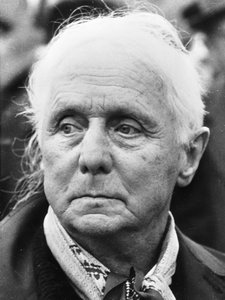
Max Ernst
1891 - 1976 , Duitsland
Belangrijkste feiten
- Artistic Movement Or Style: Dada, Surrealisme
- Artists Or Movements Influenced By This Artist:
- Surrealisme
- Dada
- Artists Who Influenced This Artist:
- Picasso
- Van Gogh
- Gauguin
- Date Of Birth: 1 apr 1891
- Date Of Death: 1 apr 1976
- Full Name: Max Ernst
- Nationality: Duits/Amerikaans, Frans
- Notable Artworks:
- The Entire City
- Euclides
- Place Of Birth: Brühl, Duitsland
Gerelateerde artikelen

10 Masterpiece Landscape Paintings That Will Take Your Breath Away
Journey through history with 10 iconic landscape paintings. From Impressionist light to Romantic vistas, explore the stories behind these timeless masterpieces. Find museum-quality art reproductions and decor inspiration at AllPaintingsStore.com. Discover all masterpieces on AllPaintingsStore.com

25 Must-See Masterpieces by German Expressionist Ernst Ludwig Kirchner
Immerse yourself in the raw emotion of German Expressionism with our curated guide to the top 25 Ernst Ludwig Kirchner masterpieces. Explore iconic colors and bold textures through museum-quality art reproductions. Discover all masterpieces on AllPaintingsStore.com.

10 Breathtaking Artworks That Capture the Beauty of Rural Landscapes
Journey through 10 iconic rural landscape paintings that capture the soul of the countryside. From Impressionist light to rustic oil masterpieces, explore the stories behind these timeless works and find museum-quality reproductions for your home. Discover all masterpieces on AllPaintingsStore.com.

Steel & Soul: 10 Powerful Artworks That Capture the Industrial Vibe
Explore 10 iconic artworks that define the gritty, powerful industrial aesthetic. From urban landscapes to metallic textures, discover the stories behind these timeless masterpieces and find museum-quality reproductions for your space. Explore the full collection online at AllPaintingsStore.com.

Beyond the Horizon: 10 Masterpieces That Redefine Landscape Art
Journey through history with 10 iconic landscape paintings that capture the soul of nature. From Impressionist light to Romantic vistas, explore the stories behind these timeless masterpieces and find museum-quality reproductions for your decor. Discover all masterpieces on AllPaintingsStore.com


