Het Vroege Leven, Familie en Vorming
In de Spaanse stad Málaga kwam op 25 oktober 1881 een jongen genaamd Pablo Picasso ter wereld. Hij werd geboren uit het huwelijk van María Picasso y López en José Ruiz Blasco, een man die de zwaarte van een penseel en de discipline van het canvas als geen ander begreep. Vanaf zijn vroegste jaren toonde het kind een rusteloze drang naar het tekenen, een talent dat zich al leek te manifesteren in zijn allereerste pogingen tot spreken. Zijn vader, zelf een schilder, herkende de vonk in zijn zoon en nam het op zich om die ontluikende vaardigheid te koesteren. Onder de waakzame en gedisciplineerde blik van zijn vader leerde de jongen de fundamenten van het tekenen van figuren en de complexiteit van de olieverfschilderkunst, waarbij hij de kunst van het kopiëren van de oude meesters en het bestuderen van gipsen afgietsels tot in de puntjes beheerste.
De weg van het gezin leidde hen uiteindelijk via A Coruña naar Barcelona, maar deze jaren van groei werden overschaduwd door een stil, zwaar verdriet. Toen Pablo pas zeven jaar oud was, werd zijn zus Conchita weggevaagd door difterie. Deze vroege confrontatie met verlies liet een onuitwisbare indruk achter in het huishouden, een somberheid die uiteindelijk haar weg zou vinden in de kleurenpaletten van zijn latere werk. Ondanks de last van dergelijke smarten bleef zijn technische vooruitgang verbazingwekkend snel. Al op dertienjarige leeftijd stond hij voor de strenge toelatingsexamens voor de gevorderde klassen in Barcelona. Terwijl andere studenten wekenlang zwoegden om hun waarde te bewijzen, voltooide hij de vereisten in slechts één week, waarmee hij een precisie toonde die zelfs zijn instructeurs in ontzag bracht over zijn natuurlijke aanleg.
De vormende jaren in Spanje
Het pad van de jongen leidde weg van de warmte van Málaga toen zijn gezin in 1891 naar A Coruña verhuisde. Het was een tijd van veranderende landschappen en een groeiende vaardigheid, terwijl hij begon te navigeren door de formele structuren van de artistieke opleiding. Zijn handen, die al een opmerkelijk talent voor grafiet en papier toonden, bewogen met een precisie die zijn instructeurs vaak verbijsterde. Als student aan de School voor Schone Kunsten in Barcelona begon zijn talent de traditionele lessen van de academie al te overstijgen. Hij zocht naar meer en kwam uiteindelijk terecht aan de Koninklijke Academie van San Fernando in Madrid, waar hij zijn grenzen testte tegen de rigide verwachtingen van de meesters.
Tijdens deze jaren vielen er schaduwen over het gezin, in het bijzonder toen het verlies van zijn zus, Conchita, aan difterie een zware last op hun leven legde. Dit verdriet bracht de familie ertoe om naar Barcelona te verhuizen, een stad die een centrale rol zou gaan spelen in zijn vroege ontwikkeling. In deze straten bewoog de jonge kunstenaar zich al verder dan de eenvoudige imitatie van het werk van zijn vader. Hij was een rusteloze geest, die vaak protesteerde tegen de strikte academische beperkingen van zijn studie. Hij gaf er de voorkeur aan om zich te verdiepen in het werk van de oude meesters, zoekend naar een manier om de wereld op een geheel eigen wijze te zien.
De Blauwe en Roze Periodes
Naarmate de jonge man door zijn vroege jaren bewoog, begon een diepe melancholie in zijn penseelstreken te sijpelen. Tussen 1901 en 1904 trad hij de fase binnen die bekend staat als de Blauwe Periode. Deze tijdperk werd geboren uit het zware gewicht van persoonlijke tegenslagen en een scherp bewustzijn van het sociale lijden dat hem omringde. Hij richtte zijn blik op de gemarginaliseerden en schilderde de eenzamen, de blinden en de bedelaars in sombere, monochrome tinten van indigo en azuurblauw. Deze doeken toonden niet louter mensen; ze vingen een gevoel van isolatie dat leek te resoneren met zijn eigen innerlijke landschap. De kleuren waren koud, een spiegel van een wereld die afstandelijk en onvergetelijk aanvoelde.
Tegen 1904 begonnen de schaduwen te wijken, vervangen door een verschuiving in zowel temperament als palet. Deze transitie leidde naar de Roze Periode, die tot ongeveer 1906 zou duren. De zware blauwtinten maakten plaats voor warmere, optimistische nuances van roze, oranje en rood. Ook zijn onderwerpen veranderden in deze jaren; de focus verschoof vaak naar de figuren van het circus, zoals acrobaten en harlequins. Deze periode toonde een kunstenaar die reageerde op de wereld door de temperatuur van zijn kleuren te veranderen, waarbij hij zich bewoog van de diepten van het verdriet naar een meer genuanceerde, kleurrijke realiteit.
De Ontwikkeling van het Kubisme
Tegen de tijd dat hij zich in 1904 in Parijs vestigde, was de rusteloze geest van de kunstenaar al op zoek naar een manier om de traditionele regels van het kijken te ontmantelen. Hij werkte niet in isolatie; in plaats daarvan mede-oprichter van de kubistische beweging, een radicale breuk met de manier waarop een canvas gedurende eeuwen was begrepen. Dit was een periode van diepgaande experimenteerdrift, waarin de solide wereld begon te versplinteren in een mozaïek van geometrische vormen. Hij streefde ernaar de essentie van een object te vangen door het vanuit vele verschillende hoeken tegelijkertijd te tonen, waarmee hij de illusie van een enkel, vaststaand perspectief doorbrak.
De eerste fase van deze revolutie stond bekend als het Analytisch Kubisme. In deze fase werkte hij met een ingetogen palet en ontleedde hij vormen in gefragmenteerde, overlappende vlakken, alsof hij een visuele autopsie op het onderwerp uitvoerde. De kleuren waren vaak somber, waardoor de aandacht van de toeschouwer werd gevestigd op de structuur en de complexe geometrie van de compositie, in plaats van op de warmte van de kleurtoon. Het was een cerebrale, gedisciplineerde benadering van de handeling van het zien.
Naarmate zijn ideeën evolueerden, bewoog hij zich richting het Synthetisch Kubisme, een fase die ook wel de Kristalperiode wordt genoemd. Deze benadering bracht een nieuw soort textuur in zijn werk, aangezien hij begon met het integreren van collage-elementen, zoals stofresten en krantenknipsels, direct op het oppervlak. Deze methode stelde hem in staat om lagen van betekenis en materiaal op te bouwen, waarbij hij zich bewoog van de puur analytische dissectie van de eerdere jaren naar een meer constructieve manier van het samenvoegen van de realiteit. Zijn werk in deze jaren weerspiegelde een constante, dwingende behoefte om de taal van de kunst zelf opnieuw uit te vinden.
Belangrijke Werken en Artistieke Mijlpalen
Het jaar 1907 bracht een diepgaande verschuiving teweeg in de manier waarop de wereld door zijn penseel werd waargenomen. Met de creatie van Les Demoiselles d'Avignon begon hij de traditionele regels van ruimte en vorm te ontmantelen. Dit werk markeerde een breuk met het naturalisme van zijn jeugd en bewoog richting een gefragmenteerde realiteit die spoedig een nieuw tijdperk van visueel denken zou definiëren. Hij was niet langer slechts een toeschouwer van de wereld; hij brak deze af om de onderliggende structuur ervan te begrijpen.
De chaos van menselijke conflicten vond vaak haar weg naar zijn krachtigste reacties op tragedie. In 1937 bereikte het nieuws van de bombardementen op Guernica hem, een verwoestende aanval op een stad in het Baskenland. Deze gebeurtenis vormde de aanleiding voor het ontstaan van Guernica, een monumentaal olieverfschilderij dat het lijden van de slachtoffers vastlegde. Door middel van een sober palet van zwart, wit en grijs, bracht hij de pijn van het gespietste paard, de schreeuwende vrouwen en de gevallen soldaat in beeld. Het blijft een zware, monochrome reactie op de wreedheid van de oorlog.
Zelfs in zijn latere jaren reikte zijn invloed tot de publieke pleinen van verre steden. In 1967 schonk hij de stad Chicago een naamloze, monumentale sculptuur van COR-TEN-staal. Deze massieve, vijftien meter hoge structuur, die volgens hem de kop van zijn Afghaan, Kabul, voorstelde, transformeerde het stedelijke landschap van Daley Plaza. Het stond daar als een gedurfde, abstracte aanwezigheid in het hart van de stad, waarmee hij bewees dat zijn rusteloze geest net zo gemakkelijk vorm kon vinden in zwaar metaal als in olieverf en canvas.
Techniek en Stilistische Evolutie
Zijn handen vonden nooit rust in een enkele methode; hij zocht voortdurend naar nieuwe manieren om de wereld die hij zag, te ontleden. Met een rusteloze energie bewoog hij zich door de jaren heen, waarbij hij verschoof van de gedisciplineerde olieverfschilderkunst van zijn jeugd naar de meer tactiele experimenten van zijn volwassenheid. Hij omarmde de kunst van de collage, waarbij hij krantenknipsels en stukken stof in zijn composities verweefde om lagen van textuur te creëren die het platte oppervlak van het canvas uitdaagden. Deze honger naar nieuwe vormen leidde hem naar de geconstrueerde beeldhouwkunst, waar hij de traditionele steenhouwkunst oversteeg om figuren op te bouwen uit uiteenlopende materialen. Hij was een man van vele instrumenten, die zijn expressie vond in de zachte aanraking van pastel en de snelle, beslissende lijnen van potlood.
Naarmate zijn visie zich uitbreidde, keek hij vaak terug om vooruit te kunnen gaan. Hij keerde terug naar de zwaarte van het neoclassicisme, waarbij hij grote, monumentale figuren creëerde die een krachtige, sculpturale aanwezigheid bezaten. Dit was geen vlucht naar het verleden, maar een manier om de gravitas van de menselijke vorm te verkennen. Later voelde hij zich aangetrokken tot de vervormde perspectieven van het surrealisme, waarbij hij de beeldtaal van het onderbewuste gebruikte om de toeschouwer in een droomtoestand te trekken. Hij schilderde niet louter een onderwerp; hij ondervroeg het, waarbij hij het vaak opbrak in geometrische vormen om te tonen hoe wij de realiteit vanuit meerdere hoeken tegelijkertijd waarnemen. Zijn werk was een voortdurende strijd tussen de orde van de structuur en de chaos van de emotie.
Nalatenschap en Invloed
De rimpelingen van zijn creatieve leven reikten veel verder dan de muren van zijn ateliers in Parijs en het zuiden van Frankrijk. Door als medeoprichter van het kubisme de fundamenten van de kunstwereld te verleggen, veranderde hij de manier waarop het oog de wereld waarneemt fundamenteel; hij brak de traditionele regels van het perspectief om een nieuwe, gefragmenteerde realiteit te onthullen. Deze verschuiving veranderde meer dan alleen het canvas; het heroriënteerde de gehele koers van de twintiger eeuwse kunst en moedigde generaties aan om voorbij de oppervlakte van de dingen te kijken. Hij bezat een rusteloze geest die weigerde zich aan tradities te binden, altijd op zoek naar nieuwe visuele talen om de complexiteit van het menselijk bestaan uit te drukken.
Zijn impact reikte ook tot in de sferen van het sociaal geweten en de wereldwijde symboliek. Door zijn diepe toewijding aan de vrede hielp hij de duif te transformeren tot een universeel symbool, een gebaar dat zijn persoonlijke overtuigingen verbond met de collectieve hoop van de mensheid. Hij maakte de meest gewelddadige omwentelingen van zijn eeuw mee, van de Spaanse Burgeroorlog tot de Wereldoorlogen, en zijn vermogen om dergelijke chaos te vertalen naar een visuele taal zorgde ervoor dat zijn werk een spiegel bleef voor de menselijke conditie. Zijn invloed was geen eenmalige gebeurtenis, maar een voortdurende, evoluerende aanwezigheid die het weefsel van de moderne cultuur heeft gevormd.
- Guernica (1937)
- Les Demoiselles d'Avignon (1907)
- The Chicago Picasso (1967)
Waar u de werken vandaag de dag kunt bewonderen
Door de zalen van het Musée Picasso in Parijs te wandelen, is alsof men een heiligdom betreedt waar de rusteloze geest van de kunstenaar nog steeds tastbaar aanwezig is. Deze Parijse instelling biedt een diepgaande blik in de evolutie van zijn denkwereld, waarbij de weg wordt gevolgd van zijn vroege, sombere experimenten naar de radicale verschuivingen die de moderne manier van kijken hebben hergedefinieerd. Voor wie de sporen van zijn oorsprong wil volgen, biedt het Museo Picasso Málaga in Spanje een directe verbinding met zijn beginjaren, gelegen in precies dat landschap dat zijn vroege opleiding en vormende jaren heeft gevormd.
In Madrid herbergt het Museo Reina Sofía het zware, monochrome gewicht van zijn reactie op de chaos van de oorlog. Hier bevindt zich zijn monumentale, grijs-zwarte olieverfschilderij, Guernica, dat een rauwe confrontatie vormt met het lijden van een gebombardeerde stad. Aan de andere kant van de Atlantische Oceaan bewaart het Metropolitan Museum of Art in New York City een aanzienlijk deel van zijn oeuvre, waardoor toeschouwers in staat zijn om zijn diverse stijlen te ontmoeten binnen een enorme, internationale collectie. Deze instellingen fungeren als de belangrijkste bewaarders van zijn visuele taal en bewaren de fragmenten van een leven dat in constante vernieuwing was geworpen.
- Guernica (1937)
- Les Demoiselles d'Avignon (1907)
- Three Musicians (1921)
- Portrait of Ambroise Vollard (1910)
- The Young Ladies of Avignon (1907)


 Lees meer over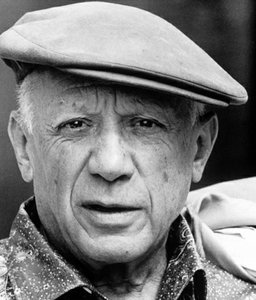


 Schakel over naar print


 Voor kunstwerken of reproducties die aan één zijde groter zijn dan 105 cm (ongeveer 41 inch), wordt de lijst als een losse set verzonden. Deze methode garandeert een veilige levering en voorkomt schade tijdens het transport.


