


 Voorvertoning
 Verstuur
 Delen
Delen
 Details bekijken
 Gids
Gids

 Download
 Vergelijkbare items
 Röntgenonderzoek
 Diavoorstelling
 Statistieken
Strong Dream
 Oil On Canvas
- WallArt
- Expressionism
 1929
1929- Modern
 21.0 x 26.0 cm
 Lees meer
Giclée / Kunstafdrukken
Giclée- of canvasafdruk van museumkwaliteit met een snelle productie en flexibele afwerkingsmogelijkheden. ( Bestel handgeschilderde reproductie Schakel over naar digitale afbeeldingen)




P118B €10

P118H €10

P118W €10

P438Z €10

P508JH €12

P508YH €12

P805H €10

P805Z €10

P919BZ €10

P919G €10

P919XJ €10

P959ZH €10

P968JZ €12

W106C €8

W218G €10

W218JH €8

W218Y €10

W307PJ €10

W316G €10

W316PJ €8

W316Y €10

W398PJ €8

W4111J €10

W500HY €15

W500JH €15

W692G €12

W849H €8

W940BG €15

W953PJ €8




Kies uit onze vooraf ingestelde maten die overeenkomen met de originele verhoudingen van het kunstwerk.

Voer de gewenste breedte en hoogte in, passend bij uw lijst of muur. Een afdruk kan alleen worden ingekort en nooit groter worden gemaakt dan het origineel; een formaat met andere verhoudingen zal daarom een deel van de afbeelding verliezen. Wij sturen u een digitaal mockup ter goedkeuring voordat we tot drukwerk overgaan. De afbeelding op deze pagina toont niet de werkelijke uitsnede — dit is alleen te zien op het mockup.
Wereldwijde levering () binnen 2 weken in plaats van de standaard 4/5 weken. (27 oktober)

Gratis wereldwijde expressverzending

Hoogwaardig linnen canvas

Volledige verzendverzekering

Garantie op terugbetaling van invoerrechten

Garantie op exacte kleurweergave

Retourbeleid van 100 dagen (alleen bij defecten)

100% Geld-terug-garantie

Korting bij meerdere afnames
 De optie voor glas is alleen beschikbaar bij een formaat kleiner dan 110 cm.

Strong Dream
Giclée / Kunstafdrukken
Afmetingen reproductie
-


Eindtotaal
€ 57
A Window into the Subconscious: Exploring Paul Klee’s “Strong Dream”
Paul Klee's "Strong Dream," created in 1929, is a captivating example of modern art that delves deep into the realm of dreams and the human psyche. This gouache painting, measuring just 21 x 26 cm, possesses an emotional resonance far exceeding its modest size. It stands as a pivotal work within Klee’s extensive exploration of abstraction, symbolism, and the power of color to convey inner states.Artistic Context & Biography
Paul Klee (1879-1940), born in Switzerland but deeply connected to the German art scene, was a truly unique figure. Influenced by Expressionism, Cubism, and Surrealism, he forged his own distinct artistic language. A gifted draftsman with a profound understanding of color theory – documented extensively in his influential *Paul Klee Notebooks* – Klee wasn’t merely painting what he saw but translating internal experiences onto the canvas. His time teaching at the Bauhaus alongside Wassily Kandinsky further solidified his position as a leading innovator in modern art. Klee's work is characterized by a playful yet profound sensibility, reflecting both personal introspection and a deep musicality.Composition & Symbolic Language
The painting presents a reclining figure, seemingly lost in contemplation or sleep, dominating the lower portion of the composition. Above this form float two prominent circles: one representing a crescent moon with a vibrant yellow interior punctuated by a central red orb, and the other implied as the sun. This duality immediately suggests a balance between opposing forces – light and darkness, consciousness and unconsciousness, masculine and feminine energies. The figure itself is rendered in angular shapes of red and black, creating a sense of fragmentation and perhaps inner turmoil. Klee’s deliberate use of geometric forms isn't merely aesthetic; it serves to deconstruct reality and access the symbolic language of dreams.Expressionist Technique & Color Palette
“Strong Dream” embodies core tenets of Expressionism through its bold, expressive brushstrokes and evocative color choices. The juxtaposition of warm reds and cool blacks creates a dynamic tension, drawing the viewer into the emotional depth of the painting. Klee’s application of gouache is notable for its layering and transparency, allowing colors to subtly interact and create nuanced effects. The loose, gestural quality of the brushwork further enhances the sense of immediacy and raw emotion.Emotional Impact & Interpretation
This artwork isn't about depicting a literal dream; it’s about *feeling* the essence of dreaming – the disorientation, the fragmented imagery, the underlying emotional currents. The painting evokes feelings of melancholy, introspection, and perhaps even anxiety. The figure’s posture suggests vulnerability and surrender to the subconscious. It invites viewers to confront their own inner worlds and explore the mysteries hidden within their dreams.Legacy & Relevance in Modern Art
“Strong Dream” continues to resonate with audiences today due to its timeless exploration of universal themes. Klee’s innovative use of color, form, and symbolism has profoundly influenced generations of artists, from Surrealists like Meret Oppenheim to contemporary abstract painters. His work remains a powerful testament to the ability of art to capture the intangible aspects of human experience.Further Exploration
Key Works by Paul Klee:- View onto a Square, 1912 – A foundational work demonstrating Klee’s early experimentation with geometric abstraction.
- Cacti, 1912 – Illustrates Klee's vibrant color palette and abstract representation of nature.
- Young Woman in the Armchair, 1913 – A compelling example of Klee’s ability to blend realism with abstract elements.
- Musée Thyssen-Bornemisza, Madrid – Home to significant early works, including “View onto a Square.”
- Lenbachhaus, Munich – Boasts an extensive collection of Klee’s paintings, notably "Cacti."
- Sprengel Museum, Hanover – Exhibits “Young Woman in the Armchair,” showcasing Klee's mixed media techniques.
Veelgestelde vragen
Wat voor soort kunstwerk is "Strong Dream"?
"Strong Dream" is een WallArt-werk.
Zijn er werken die lijken op "Strong Dream"?
Op de pagina Vergelijkbare werken van "Strong Dream" door Paul Klee vindt u gerelateerde kunstwerken.
Waar kan ik een digitale afbeelding van "Strong Dream" door Paul Klee kopen?
Om een digitale afbeelding van "Strong Dream" door Paul Klee te verkrijgen, kunt u een digitale afbeelding in hoge resolutie om te downloaden bestellen op de Digitale afbeelding pagina.
Vergelijkbare kunstwerken


Biografie kunstenaar
Een Leven Gevuld met Kleur en Vorm
Paul Klee, een naam die synoniem staat voor speelse abstractie en diepe emotionele rijkdom, neemt een unieke positie in het landschap van de 20e-eeuwse kunst in. Geboren op 18 december 1879 in Münchenbuchsee, Zwitserland, was zijn artistieke reis er één van constante verkenning, die zich onttrok aan gemakkelijke categorisering en een pad smidde dat invloeden uit het Expressionisme, Kubisme en Surrealisme combineerde tot een opvallend persoonlijke visuele taal. Klees jeugd voedde een vroege waardering voor de kunsten; zijn vader, een Duitse muziekdocent, en zijn moeder, een Zwitserse zangeres, instilleerden in hem een gevoeligheid voor zowel auditieve als visuele harmonie. Deze fundamentele verbinding tussen muziek en schilderkunst zou een bepalend kenmerk van zijn oeuvre worden, dat niet alleen zijn compositorische benadering vormgaf, maar ook zijn theoretisch begrip van kunst als een vorm van abstracte expressie die vergelijkbaar is met muzikale arrangementen. Aanvankelijk aangetrokken tot tekenen, verliet Klee al snel het nastreven van realistische representatie en erkende de beperkingen ervan bij het overbrengen van de innerlijke wereld van emoties en ideeën die hij wilde uiten. Hij schreef zich in tussen 1898 en 1901 in aan de Academie voor Beeldende Kunsten in München, een periode gekenmerkt door experimenten en de ontwikkeling van zijn unieke artistieke stem.De Vorming van een Artistiek Visie
Klees vroege werk onthult de invloed van Art Nouveau en Symbolisme, maar zelfs binnen deze kaders begonnen er hints van zijn toekomstige stijl te ontstaan. Een cruciaal moment in zijn artistieke ontwikkeling was een reis naar Tunesië in 1914. Het intense licht en de levendige sfeer van Noord-Afrika hadden een diepgaande invloed op zijn kleurgebruik, waardoor hij zich losmaakte van gedempte tinten en overging op gedurfder, expressievere paletten. Deze ervaring markeerde een keerpunt, dat zijn toewijding aan abstractie versterkte als middel om de essentie van perceptie vast te leggen in plaats van alleen het oppervlak ervan na te bootsen. Hij *zag* Tunesië niet simpelweg; hij vertaalde de emotionele resonantie ervan naar visuele vorm. Gedurende deze periode engageerde Klee zich met verschillende artistieke bewegingen, absorbeerde hun principes en verzet zich tegelijkertijd tegen volledige naleving van één enkele ideologie. Zijn interesse in muziek bleef van het grootste belang en hij sprak vaak over schilderen als een proces dat analoog is aan het componeren van muziekstukken – een zorgvuldige rangschikking van elementen om een harmonieus geheel te creëren. Deze synesthetische benadering blijkt uit de ritmische kwaliteit van zijn lijnen, de delicate balans van kleuren en het algehele gevoel van beweging dat veel van zijn werken doordringt.Bauhaus en Verder: Een Periode van Bloei
Van 1931 tot 1933 accepteerde Klee een onderwijsfunctie aan de invloedrijke Bauhaus-school voor kunst, design en architectuur, naast Wassily Kandinsky. Deze periode bleek opmerkelijk vruchtbaar te zijn voor zijn artistieke ontwikkeling. Omringd door innovatieve denkers en medekunstenaars bloeide hij in een omgeving die experimenten en theoretisch onderzoek aanmoedigde. Zijn werk uit deze jaren verdiepte zich verder in de kleurtheorie en formele relaties, waarbij hij de wisselwerking tussen abstracte vormen en emotionele expressie onderzocht. Deze creatieve haven werd echter verstoord door de opkomst van het nazisme in Duitsland. In 1933 werd Klee ontslagen uit het Bauhaus omdat zijn kunst als "ontaard" werd bestempeld door het Nazi-regime – een huiveringwekkend bewijs van de gevaren van politieke ideologie die artistieke vrijheid onderdrukt. Gedwongen terug te keren naar Zwitserland, bleef hij schilderen, maar zijn gezondheid verslechterde onder de schaduw van toenemende politieke onrust en persoonlijke ontberingen. Ondanks deze uitdagingen bleef Klee trouw aan zijn artistieke visie en produceerde werken die zowel de angsten van het tijdperk weerspiegelden als zijn aanhoudend geloof in de kracht van kunst om tegenspoed te overstijgen.Thema's, Stijl en Blijvende Erfenis
Het werk van Paul Klee wordt gekenmerkt door een boeiende mix van speelsheid en diepe contemplatie. Hij gebruikte vaak kinderlijke beelden en grillige composities, doordrenkt met lagen van symbolische betekenis. Terugkerende thema's in zijn kunst omvatten tuinen, landschappen, portretten en abstracte arrangementen – elk als een voertuig voor het verkennen van de complexiteit van menselijke ervaringen. Zijn “Paul Klee Notebooks”, postuum gepubliceerd, bieden waardevolle inzichten in zijn uitgebreide theoretische onderzoeken naar kleur en design, die een nauwgezette en intellectuele benadering van artistieke creatie onthullen. Hij schilderde niet simpelweg; hij construeerde een visuele taal gebaseerd op principes van harmonie, evenwicht en emotionele resonantie. Hamamet, Tuin van het Zuiden en De Zwitscher-Maschine zijn slechts enkele voorbeelden die zijn beheersing van kleur en vorm laten zien. Paul Klee stierf op 29 juni 1940 in Muralto, Zwitserland, en liet een erfenis achter die kunstenaars blijft inspireren en publiek wereldwijd boeit. Hij wordt terecht beschouwd als een van de belangrijkste figuren van de 20e-eeuwse kunst, die de kloof overbrugde tussen figuratieve en abstracte expressie en zijn plaats verankerde als een iconische vernieuwer wiens werk eeuwig relevant blijft.Musea & Verder Onderzoek
- Zentrum Paul Klee (Bern): Thuisbasis van de grootste collectie werken van Klee, die een uitgebreid overzicht biedt van zijn artistieke reis.
- Museum voor Schone Kunsten Bern: Bevat belangrijke stukken van Klee naast meesterwerken van Picasso en Hodler.
- Kunstmuseum Bern: Zwitserlands oudste kunstmuseum, met een diverse collectie waaronder werken van Klee en andere moderne meesters.
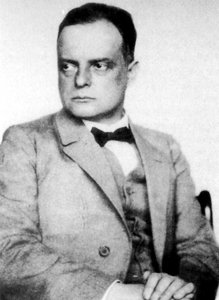
Paul Klee
1879 - 1940 , Zwitserland
Belangrijkste feiten
- Artistic Movement Or Style: Expressionisme, Kubisme, Surrealisme
- Artists Or Movements Influenced By This Artist: ['Moderne kunst']
- Artists Who Influenced This Artist: ['Wassily Kandinsky']
- Date Of Birth: 18 december 1879
- Date Of Death: 29 juni 1940
- Full Name: Paul Klee
- Nationality: Zwitsers-Duits
- Notable Artworks:
- Hamamet
- Siblings
- En la corriente seis umbrales
- Place Of Birth: Münchenbuchsee, Zwitserland
Gerelateerde artikelen
Paul Cézanne's Top 25 Meesterwerken: Kleur, Vorm & De Basis van Modern Art | AllPaintingsStore
Ontdek de 25 meest iconische schilderijen van Paul Cézanne! Duik in zijn kleurrijke wereld, leer over impressionisme & post-impressionisme en bewonder meesterwerken als 'De Baders'. Vind museumkwaliteit reproducties & interieurinspiratie op AllPaintingsStore.com.

Paul Klee's Top 25 Meesterwerken: Kleur, Vorm & Emotie voor uw Interieur | AllPaintingsStore
Ontdek de top 25 meesterwerken van Paul Klee! Duik in zijn kleurrijke wereld vol abstracte kunst, Bauhaus invloeden & expressieve composities. Vind museumkwaliteit reproducties en woondecoratie inspiratie op AllPaintingsStore.com.

Top 10 Meesterwerken van de Geometrische Abstractie | AllPaintingsStore.nl
Ontdek de 10 meest invloedrijke meesterwerken van de geometrische abstractie! Van Mondriaan tot Malevich, leer over kunstenaars, technieken & kleuren. Museumkwaliteit reproducties op AllPaintingsStore.com – voor een unieke interieurstijl.

Top 10 Abstract Expressionisme Meesterwerken: Kunst voor uw Interieur | AllPaintingsStore.com
Ontdek de 10 meest invloedrijke werken van Abstract Expressionisme! Leer over Jackson Pollock, Mark Rothko & meer. Museumkwaliteit kunst reproducties voor uw interieur. Bekijk de collectie op AllPaintingsStore.com.
Paul Klee: A Poetics of Form and Color – Exploring the Inner Landscape of a Modern Master
Explore the captivating world of Paul Klee! Discover his innovative art, Bauhaus influence, & unique symbolic language. Expert analysis & high-quality reproductions at AllPaintingsStore.


