

1888. Oil On Canvas, 92.0 x 73.0 cm.

§ 1Catalogue data
 Oil On Canvas
- WallArt
- Realism
 1888
1888- 19th Century
 92.0 x 73.0 cm
§ 2Abstract
Beschrijving verzamelobject
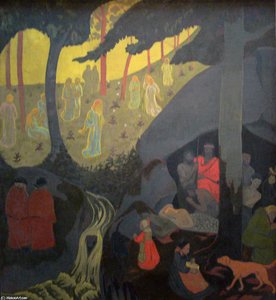
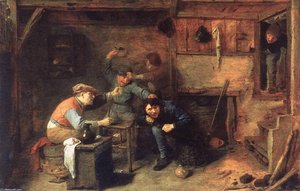
A serene domestic scene captured through the lens of 1888 Realism, this oil painting by Paul Sérusier depicts intimate rural life with earthy tones and naturalistic detail, inviting you to bring this timeless moment home.
 Lees meer
Biografie kunstenaar
Paul Sérusier (1864-1927) was een Franse kunstenaar die pionier was in abstractie en de invloedrijkste Nabis-beweging inspireerde. Bekend om zijn cloisonnismestijl, met iconische werken zoals "The Talisman", en een belangrijke rol in de ontwikkeling van moderne kunst.
§ 3Commentary
A Quiet Moment in Time: The Soul of Serusier's Interior
In the quiet corners of art history, certain works possess the unique ability to freeze a moment of profound simplicity, turning the mundane into something eternal. Paul Sérusier’s 1888 masterpiece, Interior, is precisely such a work. This oil on canvas, measuring 92 x 73 cm, invites the viewer into a rustic, domestic sanctuary that feels both intimately personal and universally relatable. At first glance, we encounter a scene of humble labor: a man standing in contemplation, his figure anchored by a white shirt and dark trousers, while a woman sits upon the stone floor, her hands lost in the rhythmic, meditative task of working with yarn or thread. There is no grand drama here, only the soft, heavy pulse of everyday life, captured with a precision that honors the dignity of the working class.
The atmosphere of the painting is thick with a sense of warmth and seclusion. Sérusier utilizes a palette dominated by earthy tones—deep browns, muted ochres, and soft shadows—which wrap the figures in a protective, domestic embrace. The lighting is masterfully subdued, suggesting the gentle, filtered glow of natural light entering a simple rural home. This careful manipulation of light does more than just illuminate the room; it creates a psychological depth, casting soft shadows that lend weight to the wooden walls and the textured stone floor. For the collector or interior designer, this piece offers a grounding presence, providing a sense of stability and historical weight to any curated space.
The Intersection of Realism and the Nabis Movement
While Interior is deeply rooted in the Realist tradition—a movement dedicated to the honest depiction of contemporary life—it also serves as a fascinating precursor to the avant-garde shifts that would soon redefine modern art. Sérusier, a pivotal figure in the Les Nabis group, was a painter who sought to bridge the gap between the tangible world and the symbolic essence of subject matter. In this work, we see the seeds of his later, more experimental styles, such as Cloisonnism and Synthetism. Although the figures are rendered with naturalistic detail, there is an emerging sense of flattened form and a deliberate arrangement of shapes that hints at the artist's growing interest in abstraction.
The composition is a masterclass in balance and harmony. The placement of the man on the left and the woman on the right creates a visual equilibrium that guides the eye through the domestic landscape, from the texture of the wooden walls to the delicate movement of the thread. This structural integrity ensures that the painting remains visually captivating even upon repeated viewings. For those seeking to adorn a home with art that inspires contemplation, this piece acts as a window into a bygone era, offering a sophisticated blend of historical significance and aesthetic grace. It is not merely a depiction of a room; it is an invitation to slow down, to breathe, and to find beauty in the quietest rhythms of existence.
Veelgestelde vragen
Hoe is "Interior" historisch gezien te plaatsen?
"Interior" door Paul Sérusier behoort tot de Realism-stroming, binnen de 19th Century-periode. Samen geven zij het werk zijn plaats in de kunstgeschiedenis.
Waar kan ik statistieken vinden over "Interior" door Paul Sérusier?
Er bestaat een Statistieken-pagina voor "Interior". Deze brengt de maandelijkse bezoeken aan het kunstwerk en andere werken van de kunstenaar in kaart, met uitsplitsingen naar land en taal.
Hoe verhoudt de stijl van "Interior" zich tot het tijdperk van de maker?
"Interior" behoort tot de Realism-stroming en de maker ervan was werkzaam in het 19e eeuw-tijdperk.





 Schakel over naar print


 Voor kunstwerken of reproducties die aan één zijde groter zijn dan 105 cm (ongeveer 41 inch), wordt de lijst als een losse set verzonden. Deze methode garandeert een veilige levering en voorkomt schade tijdens het transport.


