Acrylic On Canvas.

§ 1Catalogusgegevens


§ 2Abstract
Beschrijving verzamelobject
Raphael's 'Colonna Madonna' (1508) is a serene High Renaissance masterpiece depicting the Virgin Mary and Child, showcasing his clarity of form and masterful composition. View at Berlin's Gemäldegalerie.
 Lees meer
Biografie kunstenaar
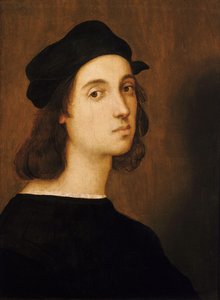
Raphael (1483-1520): Een meester van de Renaissance, bekend om zijn serene Madonnen, architectuur en iconische werken zoals 'De School van Athene'. Ontdek zijn Urbino wortels & artistieke nalatenschap.
§ 3Toelichting
The Artist: Raphael Sanzio da Urbino
Raphael (Raffaello Sanzio Da Urbino) was an Italian painter and architect of the High Renaissance. He was born in 1483 in Urbino, Italy, and died in Rome in 1520. Raphael is considered one of the greatest painters of all time, alongside Leonardo da Vinci and Michelangelo Buonarroti. His works are characterized by their clarity of form, ease of composition, and visual achievement of the Neoplatonic ideal of human grandeur.The Painting: Colonna Madonna
Colonna Madonna is an oil on poplar painting by Raphael, created in 1508 during his Florentine period. The painting measures 52 cm x 38 cm and is now at the Gemäldegalerie, Berlin. It depicts the Virgin Mary holding the Christ Child, who looks towards the viewer with a serious expression. The title of the painting comes from the Colonna family, who were patrons of Raphael and owned the painting for a time.The Media: Oil on Poplar
Raphael used oil paint as his medium for Colonna Madonna. Oil paint is a slow-drying paint that allows artists to create subtle variations in color and texture. The use of poplar as a support for the painting was common during the Renaissance, as it provided a smooth surface for painting and was less expensive than other types of wood.The Style: Renaissance
Colonna Madonna is an example of Renaissance art, which emerged in Italy in the 14th century and lasted until the 17th century. Renaissance art was characterized by its focus on humanism, realism, and perspective. Raphael's use of linear perspective in Colonna Madonna creates a sense of depth and space, while his attention to detail and naturalistic depiction of the human form reflect the influence of classical art.Historical Context: The Florentine Period
Raphael's Colonna Madonna was created during his Florentine period, which lasted from 1504 to 1508. During this time, Raphael lived and worked in Florence, a city known for its artistic and intellectual achievements. The city was home to many prominent artists, including Leonardo da Vinci and Michelangelo Buonarroti, and was a center of innovation in the arts and sciences. Raphael's exposure to the art and ideas of Florence had a significant impact on his style and technique, as evidenced by the clarity of form and ease of composition in Colonna Madonna.Conclusion
Colonna Madonna is a masterpiece of Renaissance art, showcasing Raphael's skill as a painter and his understanding of human anatomy and perspective. The painting reflects the influence of classical art and the ideals of the Renaissance, including a focus on humanism, realism, and perspective. As a work of art, Colonna Madonna is a testament to Raphael's genius and his contribution to the development of Western art.If you are interested in owning a hand-made oil painting reproduction of Colonna Madonna, please visit our website at https://AllPaintingsStore.com.
Veelgestelde vragen
Hoe kan ik "Colonna Madonna" door Rafaël bekijken als een diavoorstelling?
"Colonna Madonna" door Rafaël is te bekijken als een diavoorstelling op de Diavoorstelling-pagina van het kunstwerk.
Waar kan ik een handgeschilderde reproductie van "Colonna Madonna" door Rafaël kopen?
Handgeschilderde reproducties van "Colonna Madonna" door Rafaël zijn verkrijgbaar via deze website: een met de hand geschilderde olieverfreproductie op linnen canvas, te bestellen op de Handgeschilderde reproductie pagina.
Is "Colonna Madonna" vrij van auteursrecht?
De auteursrechtelijke status van "Colonna Madonna" door Rafaël: het werk is bevindt zich in het publiek domein - de auteursrechten zijn verlopen. Dit bepaalt of reproducties van de afbeelding vrijelijk mogen worden gemaakt.


 Schakel over naar print


 Voor kunstwerken of reproducties die aan één zijde groter zijn dan 105 cm (ongeveer 41 inch), wordt de lijst als een losse set verzonden. Deze methode garandeert een veilige levering en voorkomt schade tijdens het transport.