


 Bekijk op ware grootte
 Verstuur
 Delen
Delen
 Details bekijken
 Gids voor studentenkunstwerken

 Download
 Vergelijkbare items
 Röntgenonderzoek
 Diavoorstelling
 Statistieken
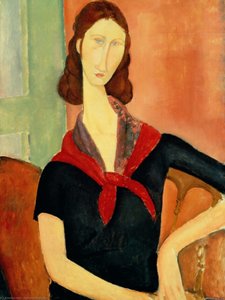
The Brown Gloves


 Lees meer
De kunstwerken die op deze pagina worden weergegeven, zijn beschermd door de auteursrechtwetgeving, wat betekent dat het ons wettelijk niet is toegestaan om identieke reproducties te maken of te verkopen. Deze bescherming wordt gehandhaafd onder internationale overeenkomsten zoals de Conventie van Bern en door nationale wetgeving, waaronder de bepalingen van de Amerikaanse auteurswet - Titel 17. Alle rechten voorbehouden. Reproduceren of distribueren van afbeeldingen is niet toegestaan zonder uitdrukkelijke schriftelijke toestemming van WahooArt.com en de rechthebbenden.
Als een respectvol en legaal alternatief bieden wij op maat gemaakte, handgeschilderde kunstwerken aan die geïnspireerd zijn op het origineel. Onze bekwame en professionele kunstenaars bestuderen zorgvuldig de stijl, sfeer en artistieke essentie van het origineel om een nieuw, uniek werk te creëren dat dezelfde emotie oproept – terwijl het een op zichzelf staande, originele creatie blijft.
Deze methode voldoet volledig aan de auteursrechtwetgeving, omdat het niet gaat om het kopiëren of dupliceren van het beschermde kunstwerk. In plaats daarvan is er sprake van een creatieve herinterpretatie — een nieuw schilderij dat door het origineel wordt geïnspireerd, maar er niet identiek aan is.
Handgemaakte olieverfreproductie
Met de hand geschilderd in olieverf op canvas in uw gewenste maat en lijst, op bestelling gemaakt door onze kunstenaars. ( Schakel over naar print Schakel over naar digitale afbeeldingen)




































Kies uit onze vooraf ingestelde maten die overeenkomen met de originele verhoudingen van het kunstwerk.

Voer de breedte en de hoogte in die u nodig heeft, passend bij uw lijst of uw muur. Dit is handgeschilderd, dus bij een afmeting met een andere vormverhouding kan de kunstenaar iets meer rondom het schilderij schilderen of juist iets meer weglaten — u kiest zelf. Wij sturen u een digitaal mockup ter goedkeuring voordat het schilderwerk begint. De afbeelding die op deze pagina wordt getoond, is niet het uiteindelijke resultaat — alleen de mockup geeft dit weer.
Na de bestelling zal het team van AllPaintingsStore.com per e-mail contact opnemen met de klant voor instructies en een mockup-voorbeeld sturen.
Wereldwijde levering () binnen 3 tot 4 weken in plaats van de standaard 5 weken. (24 oktober). Zonder concessies aan de kwaliteit.

Gratis wereldwijde expressverzending

Hoogwaardig linnen canvas

Volledige verzendverzekering

Garantie op terugbetaling van invoerrechten

Garantie op exacte kleurweergave

Retourbeleid van 100 dagen (alleen bij defecten)

100% Geld-terug-garantie

Korting bij meerdere afnames
 De optie voor glas is alleen beschikbaar bij een formaat kleiner dan 110 cm.

The Brown Gloves
Reproductiemethode
Formaat reproductie
-


Totaalprijs
€ 226
Vragen & Antwoorden
Wat is de creatiedatum van "The Brown Gloves" door Raphael Gleitsmann?
"The Brown Gloves" dateert uit 1932. Deze datum plaatst het werk binnen de carrière van Raphael Gleitsmann en de betreffende tijdperk.
Wie heeft "The Brown Gloves" gemaakt, en wanneer?
Raphael Gleitsmann maakte "The Brown Gloves" in 1932.
Waar kan ik een gids vinden voor "The Brown Gloves"?
De Gids-pagina van "The Brown Gloves" door Raphael Gleitsmann biedt een printbaar factsheet van twee pagina's: het kunstwerk met de bijbehorende identificatietabel, een tijdlijn die het werk plaatst binnen de levensloop van de kunstenaar, andere werken van de kunstenaar, het gemeten kleurenpalet en kant-en-klare citaten in vier verschillende stijlen.
Gerelateerde kunstwerken



Biografie van de kunstenaar
Early Life and Artistic Beginnings in Akron
Raphael Gleitsmann, born in Dayton, Ohio in 1910, was a distinctly American artist whose life story is as compelling as the evocative imagery he created. He spent the vast majority of his years in Akron, Ohio, a city that would become both the backdrop and often the subject of his work. Unlike many artists of his generation, Gleitsmann was largely self-taught; his formal training was limited to instruction from Miss Calvin at Central High School and Paul Travis at the Cleveland School of Art. Unable to afford tuition, he cultivated relationships with faculty and students at the school, eventually gaining access to classes without official enrollment—a testament to his innate talent and dedication.
Gleitsmann’s early artistic endeavors focused on realistic depictions of life in Middle America during the Great Depression. These paintings weren't merely representations; they were idealized visions of a society grappling with hardship, imbued with a sense of quiet dignity and resilience. He captured the essence of everyday existence, portraying scenes that resonated with many Americans struggling through economic turmoil. This early period reveals an artist keenly observant of his surroundings, possessing a natural ability to translate lived experience onto canvas.
The Impact of War: A Shift in Perspective
The course of Gleitsmann’s artistic journey was profoundly altered by his service as a combat engineer during World War II, from 1943 to 1945. His experiences abroad were deeply traumatic, culminating in wounds sustained at the Rhine River—an event for which he received the Purple Heart. The horrors witnessed firsthand irrevocably changed his perspective and subsequently, his art. Upon returning home, Gleitsmann found himself unable to continue painting in the same vein as before.
The idyllic scenes of pre-war America gave way to haunting post-apocalyptic imagery—ruins, cemeteries, and landscapes scarred by conflict. These works were not simply depictions of destruction; they were explorations of loss, memory, and the fragility of civilization. He began to grapple with themes of attrition, time’s relentless march, and the psychological toll of war. This shift in subject matter was a direct response to his experiences, reflecting a profound internal transformation.
National Recognition and Artistic Evolution
Gleitsmann's post-war work garnered significant national attention, most notably when he won first prize at the 1948 Carnegie Institute exhibition of international contemporary painting. This victory was particularly noteworthy as it came against formidable competition, including Andrew Wyeth—a testament to the power and originality of his vision. The award brought him widespread acclaim and solidified his position within the American art landscape.
His unsettling yet captivating paintings contrasted sharply with the more optimistic attitudes prevalent in earlier generations of artists. Gleitsmann’s work forced viewers to confront uncomfortable truths about the human condition, prompting reflection on the consequences of conflict and the enduring scars it leaves behind. He experimented with abstraction and expressionism, moving away from strict realism to convey the emotional weight of his experiences.
Later Years and Legacy
Despite achieving critical success, Gleitsmann may have curtailed his artistic career around 1954. The intensity of the trauma he experienced during the war likely played a significant role in this decision; it’s speculated that continuing to revisit such harrowing themes became too emotionally taxing. While details surrounding his later life remain somewhat sparse, his impact on American art is undeniable.
Raphael Gleitsmann's work stands as a powerful testament to the transformative power of experience and the artist’s ability to translate personal trauma into universal statements about the human condition. His paintings offer a poignant glimpse into the anxieties and uncertainties of the post-war era, reminding us of the enduring cost of conflict and the importance of confronting difficult truths. He is remembered as an artist who dared to look beyond the surface, exploring the darker recesses of the human psyche with unflinching honesty.

Raphael Gleitsmann
1910 - 1995 , United States of America
Snelle feiten
- Full Name: Raphael Gleitsmann
- Nationality: American
- Date Of Birth: 1910
- Date Of Death: 1995
- Place Of Birth: Akron, United States of America
- Notable Artworks: ['The White Dam']
- Artistic Movement Or Style: Realistic, Expressionism

