

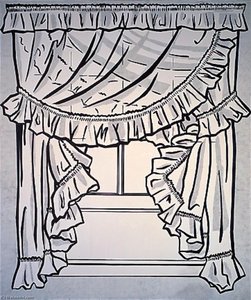
1996. Acrylic On Canvas.

§ 1Catalogusgegevens


Dit kunstwerk is auteursrechtelijk beschermd
De kunstwerken die op deze pagina worden weergegeven, zijn beschermd door de auteursrechtwetgeving, wat betekent dat het ons wettelijk niet is toegestaan om identieke reproducties te maken of te verkopen. Deze bescherming wordt gehandhaafd onder internationale overeenkomsten zoals de Conventie van Bern en door nationale wetgeving, waaronder de bepalingen van de Amerikaanse auteurswet - Titel 17. Alle rechten voorbehouden. Reproduceren of distribueren van afbeeldingen is niet toegestaan zonder uitdrukkelijke schriftelijke toestemming van WahooArt.com en de rechthebbenden.
Als een respectvol en legaal alternatief bieden wij op maat gemaakte, handgeschilderde kunstwerken aan die geïnspireerd zijn op het origineel. Onze bekwame en professionele kunstenaars bestuderen zorgvuldig de stijl, sfeer en artistieke essentie van het origineel om een nieuw, uniek werk te creëren dat dezelfde emotie oproept – terwijl het een op zichzelf staande, originele creatie blijft.
Deze methode voldoet volledig aan de auteursrechtwetgeving, omdat het niet gaat om het kopiëren of dupliceren van het beschermde kunstwerk. In plaats daarvan is er sprake van een creatieve herinterpretatie — een nieuw schilderij dat door het origineel wordt geïnspireerd, maar er niet identiek aan is.
 Lees meer over
§ 2Abstract
Beschrijving verzamelobject
Roy Lichtenstein’s bold Pop Art painting captures the iconic Charles Eames Chair in vibrant yellow and black stripes, a timeless design reimagined with Lichtenstein's signature style. Discover this unique artwork and bring a piece of modern art history into your home.
Biografie kunstenaar
Roy Lichtenstein (1923-1997): Pionier van de Pop Art, bekend om Ben-Day stipjes, comic strip inspiratie & kritische blik op consumptiekultuur. Ontdek 'Whaam!' & meer.
§ 3Toelichting
A Bold Statement in Pop Art: Roy Lichtenstein’s Charles Eames Chair
Roy Lichtenstein's reimagining of the iconic Charles Eames chair is more than just a painting; it’s a vibrant declaration of Pop Art’s influence and a playful commentary on design itself. Executed in 1996, this artwork captures the essence of the original Eames design – its distinctive form and bold color palette – through Lichtenstein's signature style: large-scale, graphic imagery rendered with meticulous attention to Ben-Day dots. The painting’s immediate impact is undeniably arresting; a bright yellow chair, aggressively striped in black, dominates the canvas, demanding attention with its unapologetic simplicity.
- Subject Matter: A faithful, yet stylized, representation of the Charles Eames Chair, a seminal piece of mid-20th century furniture design.
- Style: Pure Pop Art – characterized by bold colors, graphic shapes, and the use of Ben-Day dots to simulate printed imagery.
- Technique: Lichtenstein’s meticulous application of Ben-Day dots creates a textured surface that mimics the look of comic book printing, adding depth and visual interest.
The Genesis of a Pop Visionary – Lichtenstein's Context
Born in Manhattan in 1923, Roy Fox Lichtenstein’s artistic trajectory was shaped by a confluence of influences. His upbringing within an affluent Jewish family provided access to cultural experiences—museum visits and jazz concerts—that ignited his creative spirit. This early exposure, combined with formal training at the Art Students League and Ohio State University, ultimately led him to develop his groundbreaking Pop Art style. Lichtenstein wasn't simply replicating images; he was actively engaging with consumer culture and mass media, elevating everyday objects – like this chair – into subjects of artistic contemplation. The painting reflects a broader trend within Pop Art: a deliberate rejection of traditional fine art conventions in favor of embracing the imagery of popular culture.
Decoding the Symbolism: Form and Function
The choice to depict the Charles Eames Chair, a symbol of modern design and functionality, is itself significant. Lichtenstein’s treatment transforms a practical object into an icon, questioning our perceptions of art and design. The bold yellow color evokes feelings of optimism and energy, while the black stripes add a sense of dynamism and visual tension. The painting subtly critiques the increasing commercialization of art and design, presenting a familiar object in a radically new context. It’s a playful interrogation of value – elevating an everyday chair to the status of fine art through Lichtenstein's distinctive artistic lens.
Emotional Impact and Collector’s Appeal
This reproduction offers more than just a visually striking image; it invites contemplation on themes of design, consumerism, and the nature of art itself. The vibrant colors and graphic style are inherently engaging, making it a captivating addition to any interior space. As a work by one of Pop Art’s most influential figures, this piece represents an investment in both artistic heritage and enduring design appeal. Its bold aesthetic is sure to spark conversation and become a focal point within any collection.
Veelgestelde vragen
Welk gevoel roept "Charles Eames Chair" door Roy Lichtenstein op?
"Charles Eames Chair" door Roy Lichtenstein roept een Energetic gevoel op binnen een algeheel Bold stemmigheid.
Kan ik een röntgenopname van "Charles Eames Chair" door Roy Lichtenstein bekijken?
De Röntgenanalyse-pagina van "Charles Eames Chair" door Roy Lichtenstein is een interactieve viewer waarmee u door elf optische lagen van het kunstwerk kunt glijden, inclusief een weergave in röntgenstijl.
Welk kleurenpalet wordt gebruikt in "Charles Eames Chair" door Roy Lichtenstein?
"Charles Eames Chair" door Roy Lichtenstein maakt gebruik van een Neutrals kleurenpalet. Dit palet vat het algemene kleurkarakter van het werk samen.





 Schakel over naar print


 Voor kunstwerken of reproducties die aan één zijde groter zijn dan 105 cm (ongeveer 41 inch), wordt de lijst als een losse set verzonden. Deze methode garandeert een veilige levering en voorkomt schade tijdens het transport.


