


 Voorvertoning
 Verstuur
 Delen
Delen
 Details bekijken
 Gids
Gids

 Download
 Vergelijkbare items
 Röntgenonderzoek
 Diavoorstelling
 Statistieken
Primavera - (10)


 Lees meer
Giclée / Kunstafdrukken
Giclée- of canvasafdruk van museumkwaliteit met een snelle productie en flexibele afwerkingsmogelijkheden. ( Bestel handgeschilderde reproductie Schakel over naar digitale afbeeldingen)




P118B €10

P118H €10

P118W €10

P438Z €10

P508JH €12

P508YH €12

P805H €10

P805Z €10

P919BZ €10

P919G €10

P919XJ €10

P959ZH €10

P968JZ €12

W106C €8

W218G €10

W218JH €8

W218Y €10

W307PJ €10

W316G €10

W316PJ €8

W316Y €10

W398PJ €8

W4111J €10

W500HY €15

W500JH €15

W692G €12

W849H €8

W940BG €15

W953PJ €8




Kies uit onze vooraf ingestelde maten die overeenkomen met de originele verhoudingen van het kunstwerk.

Voer de gewenste breedte en hoogte in, passend bij uw lijst of muur. Een afdruk kan alleen worden ingekort en nooit groter worden gemaakt dan het origineel; een formaat met andere verhoudingen zal daarom een deel van de afbeelding verliezen. Wij sturen u een digitaal mockup ter goedkeuring voordat we tot drukwerk overgaan. De afbeelding op deze pagina toont niet de werkelijke uitsnede — dit is alleen te zien op het mockup.
Wereldwijde levering () binnen 2 weken in plaats van de standaard 4/5 weken. (26 oktober)

Gratis wereldwijde expressverzending

Hoogwaardig linnen canvas

Volledige verzendverzekering

Garantie op terugbetaling van invoerrechten

Garantie op exacte kleurweergave

Retourbeleid van 100 dagen (alleen bij defecten)

100% Geld-terug-garantie

Korting bij meerdere afnames
 De optie voor glas is alleen beschikbaar bij een formaat kleiner dan 110 cm.

Primavera - (10)
Giclée / Kunstafdrukken
Afmetingen reproductie
-


Eindtotaal
€ 57
A Delicate Dance Between Flesh and Flora: Botticelli’s Primavera
- The painting “Primavera,” attributed to Sandro Botticelli (c. 1445 – 1510), stands as a cornerstone of Early Renaissance art, embodying the humanist ideals that characterized the period's intellectual landscape.
- Captured in exquisite detail by Botticelli’s hand, this captivating artwork depicts a woman’s feet adorned with an abundance of blossoms—a motif laden with symbolic significance. The image itself is presented as a close-up view, prioritizing the tactile beauty of the subject matter and inviting contemplation on themes of fertility, rebirth, and divine grace.
Style and Technique: Botticelli’s Flourishing Aesthetic
Botticelli's distinctive style—characterized by graceful lines, idealized figures, and a serene atmosphere—is immediately recognizable. He eschewed the rigid conventions of Byzantine art, opting instead for a softer, more lyrical approach that prioritized expressive beauty over strict realism. The painting utilizes tempera on panel, a technique favored during Botticelli’s time which lends itself to achieving luminous colors and subtle gradations – qualities particularly evident in the delicate hues of the flowers and the pale skin tones of the woman's feet.Historical Context: Renaissance Renewal and Mythological Inspiration
“Primavera” emerged during a fervent period of artistic innovation fueled by rediscovered classical texts and humanist scholarship. Botticelli’s commission from Lorenzo de Medici—the Magnificent—reflects the patronage system that underpinned Florentine culture, propelling artistic endeavors and fostering intellectual discourse. The painting draws heavily upon mythological narratives, specifically Hesiod's “Works and Days,” interpreting the blossoming flowers as emblems of Springtime and representing figures like Venus, Flora, Zephyr, Mercury, and Cupid as embodiments of vital forces—a deliberate allusion to pagan beliefs juxtaposed with Christian iconography.Symbolism: Blossoms of Hope and Divine Femininity
The profusion of flowers within “Primavera” transcends mere decorative embellishment; it operates on multiple symbolic levels. Each blossom – roses, lilies, violets, anemones—represents specific virtues associated with Springtime and femininity. Venus, positioned prominently at the center, symbolizes love and beauty, while Flora embodies fertility and renewal. The inclusion of Zephyr and Mercury underscores the dynamism of nature and divine influence, respectively. Collectively, these elements convey a profound message about the cyclical rhythms of life and the triumph of spiritual harmony over earthly concerns.Emotional Impact: A Vision of Tranquility and Perfection
Ultimately, Botticelli’s “Primavera” transcends its formal qualities to evoke an enduring sense of tranquility and idealized beauty. The painting's serene composition—coupled with the luminous colors and meticulous detail—captures a moment of sublime harmony between humanity and nature. It speaks to viewers across centuries, reminding us of the enduring power of art to inspire contemplation on themes of spirituality, love, and the promise of rebirth – qualities that continue to resonate powerfully in contemporary artistic sensibilities.Veelgestelde vragen
Waar kan ik kunstwerken vinden die lijken op "Primavera - (10)" door Sandro Botticelli?
Op de pagina Vergelijkbare werken van "Primavera - (10)" door Sandro Botticelli vindt u gerelateerde kunstwerken.
Hoe harmonieren de kleuren van "Primavera - (10)" met elkaar?
De kleuren van "Primavera - (10)" door Sandro Botticelli vertonen een Strong Color Unity harmonie. Harmonie beschrijft de onderlinge relatie tussen de kleuren.
Hoe intens zijn de kleuren in "Primavera - (10)" door Sandro Botticelli?
"Primavera - (10)" door Sandro Botticelli heeft een Monochromatic kleurintensiteit.
Vergelijkbare kunstwerken


Biografie kunstenaar
Early Life and Florentine Beginnings
Sandro Botticelli, geboren Alessandro di Mariano di Vanni Filipepi rond 1445 in Florence, Italië, kwam op tijdens een periode van buitengewone culturele fermentatie – de vroege Renaissance. Zijn leven was diep geworteld in de artistieke en sociale stof van de stad; hij dwaalde nooit ver af van zijn wijk Ognissanti, een getuigenis van zowel familiale banden als het levendige creatieve ecosysteem dat hem voedde. Zijn vader, Mariano Filipepi, begon als goudsmid en later als leerlooier, bood een vroege blootstelling aan vakmanschap en nauwkeurigheid – kwaliteiten die Botticelli’s artistieke benadering diepgaand zouden beïnvloeden. Hoewel aanvankelijke rapporten suggereerden dat hij goudsmid was, vond hij al snel zijn roeping onder de begeleiding van Fra Filippo Lippi, een toonaangevende schilder van het tijdvak. Deze leerlingenperiode bleek cruciaal, waardoor hij werd ondergedompeld in de technieken en esthetiek van de Florentijnse school, terwijl hij ook verbinding maakte met invloedrijke patrons zoals de Medici-familie.A Style Defined by Grace and Myth
Botticelli’s artistieke stijl is onmiddellijk herkenbaar door zijn lyrische schoonheid, gekenmerkt door elegante lineariteit, vloeiende contouren en een delicate kleurgebruik. Hij beheerstte het overbruggen van de kloof tussen de late Gotische tradities en de opkomende Renaissance-esthetiek, waarbij hij invloeden opnam van meesters zoals Fra Angelico en Paolo Uccello, maar toch een unieke persoonlijke visie creëerde. Zijn figuren bezitten een etherische kwaliteit, vaak afgebeeld met verlengde proporties en gracieuze poses die zowel sereniteit als een subtiele melancholie uitdrukken. Een kenmerkend element van zijn werk is de frequente integratie van klassieke mythologie – een weerspiegeling van de humanistische interesses die door Florence’s Renaissance heen woedden. Hij illustreerde deze oude verhalen niet alleen; hij verlegde er nieuwe lagen betekenis aan, waarbij thema's als liefde, schoonheid en spirituele verlangens werden onderzocht. Botticelli’s techniek was innovatief voor zijn tijd. Hij gebruikte vaak een zilverpotlood-tekening onder de verf van zijn doeken, wat bijdroeg aan de luminositeit en delicate details die te zien zijn in zijn afgewerkte werken. Zijn gebruik van temperagewijze verf stelde hem in staat tot nauwkeurige weergave en levendige kleuren, terwijl zijn latere experimenten met olieverf zijn expressieve mogelijkheden uitbreidden.Iconic Masterpieces and Artistic Development
Botticelli’s nalatenschap rust op een aantal iconische schilderijen die het publiek eeuwen later nog steeds betoveren. *De Geboorte van Venus*, voltooid rond 1486, staat als misschien zijn meest beroemde werk – een allegorisch beeld dat de godin afbeeldt die uit een schelpkom ontstaat, en de Renaissance-idealen van schoonheid en harmonie vertegenwoordigt. Zijn elegante compositie, delicate kleurpalet en evocatieve symboliek hebben het tot een blijvende symbool van de tijd gemaakt. Even beroemd is *Primavera*, gecreëerd rond 1482, een complex en raadselachtig schilderij dat lente en liefde viert, bevolkt met symbolische figuren uit klassieke mythologie. Deze werken tonen Botticelli’s meesterschap in compositie, zijn vermogen om atmosferische diepte te creëren en zijn diepe begrip van menselijke emoties. Zijn vroege jaren 70 zagen hem focussen op religieuze onderwerpen, waarbij hij zijn technische vaardigheden verfijnde en een reputatie opbouwde voor bekwame uitvoering. De jaren 80 markeerden het hoogtepunt van zijn creatieve kracht, met de creatie van zijn meest beroemde mythologische schilderijen. Het laatste kwart eeuw toonde echter een verschuiving in zijn stijl, beïnvloed door de gepassioneerde prediking van Girolamo Savonarola – een Dominicanse priester die wat hij zag als de decadentie en morele corruptie van Florence veroordeelde. Dit periode resulteerde in meer sober en emotioneel geladen werken, die een groeiende spirituele intensiteit weerspiegelden.Major Works
- De Geboorte van Venus (c. 1486): Een iconisch schilderij dat de Renaissance-idealen van schoonheid vertegenwoordigt.
- Primavera (c. 1482): Een complex allegorisch schilderij dat lente en liefde viert.
- Adoration of the Magi (1475-1476): Demonstreert vroege meesterschap in compositie en perspectief.
- Mystic Nativity (1501): Weerspiegelt een verschuiving naar spirituele thema’s in zijn latere carrière.
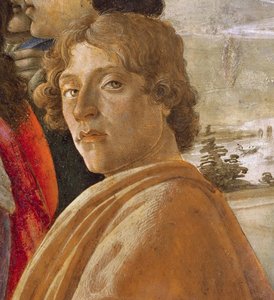
Sandro Botticelli
1445 - 1510 , Italië
Belangrijkste feiten
- Artistic Movement Or Style: Vroege Renaissance
- Artists Or Movements Influenced By This Artist: ['Pre-Raphaelieten']
- Artists Who Influenced This Artist:
- Lippi
- Uccello
- Date Of Birth: c. 1445
- Date Of Death: 1510
- Full Name: Alessandro di Mariano Filipepi
- Nationality: Italiaans
- Notable Artworks:
- Venus Ontstaan
- Primavera
- Wijzen Aanbidding
- Place Of Birth: Florence, Italië
Gerelateerde artikelen

AllPaintingsStore.com F.A.Q.: Elevate Your Decor with Premium Textured Giclée Prints
Discover the distinction of AllPaintingsStore.com premium textured Giclée prints. Expertly crafted with archival 12-color pigments and museum-grade substrates, our prints offer unparalleled vividness for the discerning collector seeking luxury, durability, and timeless elegance.


