


 Voorvertoning
 Verstuur
 Delen
Delen
 Details bekijken

 Download
 Vergelijkbare items
 Röntgenonderzoek
 Diavoorstelling
Auguste devant le tombeau d'Alexandre


 Lees meer
Giclée / Kunstafdrukken
Giclée- of canvasafdruk van museumkwaliteit met een snelle productie en flexibele afwerkingsmogelijkheden. ( Bestel handgeschilderde reproductie Koop afbeelding)




P118B $10

P118H $10

P118W $10

P438Z $10

P508JH $12

P508YH $12

P805H $10

P805Z $10

P919BZ $10

P919G $10

P919XJ $10

P959ZH $10

P968JZ $12

W106C $8

W218G $10

W218JH $8

W218Y $10

W307PJ $10

W316G $10

W316PJ $8

W316Y $10

W398PJ $8

W4111J $10

W500HY $15

W500JH $15

W692G $12

W849H $8

W940BG $15

W953PJ $8




Kies uit onze vooraf ingestelde maten die overeenkomen met de originele verhoudingen van het kunstwerk.

U kunt uw eigen afmetingen opgeven om in een specifieke lijst of ruimte te passen. Als de door u gekozen maat niet overeenkomt met de proporties van het originele kunstwerk, zullen wij de afbeelding bijsnijden of uitbreiden met een gespiegelde of effen rand. Een digitaal mockup wordt ter goedkeuring naar u verzonden voordat de productie begint.
Houd er rekening mee dat de preview op het scherm de werkelijke bijsneding of uitbreiding niet weergeeft. Alleen de mockup toont de uiteindelijke compositie nauwkeurig.
Hoewel aangepaste maten beschikbaar zijn, raden wij aan een afmeting uit de vooraf bepaalde lijst te kiezen om de originele proporties te behouden.
Wereldwijde levering () binnen 2 weken in plaats van de standaard 4/5 weken. (23 augustus)

Gratis wereldwijde expressverzending

Hoogwaardig linnen canvas

Volledige verzendverzekering

Garantie op terugbetaling van invoerrechten

Garantie op exacte kleurweergave

Retourbeleid van 60 dagen (alleen bij defecten)

100% Geld-terug-garantie

Korting bij meerdere afnames
 De optie voor glas is alleen beschikbaar bij een formaat kleiner dan 110 cm.

Auguste devant le tombeau d'Alexandre
Giclée / Kunstafdrukken
Afmetingen reproductie
-


Eindtotaal
$ 65
Beschrijving verzamelobject
A Baroque Symphony of Memory and Legend
In the grand tapestry of the seventeenth century, few works capture the theatrical essence of the Baroque era as poignantly as Sébastien Bourdon’s Auguste devant le tombeau d'Alexandre. Executed around 1645, this monumental piece serves as more than a mere historical record; it is a visceral experience that invites the viewer into a moment of profound imperial piety and solemnity. The scene depicts Emperor Augustus paying homage to the tomb of Alexander the Great—a gesture steeped in symbolic significance that bridges the gap between Roman authority and the legendary heroism of antiquity. As one gazes upon the densely populated tableau, there is an immediate sense of being present within a sacred ritual, where the weight of history is felt through every meticulously rendered figure and architectural shadow.
Bourdon, a master whose versatility allowed him to navigate the stylistic currents of both France and Italy, utilizes a composition that mimics the dramatic stagecraft of his time. The arrangement of figures around the grand sarcophagus creates a dynamic movement, drawing the eye through a complex web of interaction and contemplation. While a central group engages in the primary act of reverence, scattered individuals throughout the foreground and background contribute to an atmosphere of collective emotion. This layering of subjects provides a sense of depth and chaos that is paradoxamente balanced by a clear hierarchy of importance, ensuring that the viewer's focus remains anchored to the monumental tomb of the conqueror.
The Mastery of Light and Tonal Depth
Though the medium of etching and engraving inherently relies on line, Bourdon achieves a painterly richness that rivals the finest oil works of his contemporaries, such as Rubens or Van Dyck. Through a masterful command of tonal gradation, he manipulates light and shadow to breathe life into the monochrome landscape. Dramatic lighting serves as the primary storyteller here, casting long, evocative shadows that emphasize the grandeur of the architectural elements and the somber mood of the gathering. The interplay between brilliant highlights on key figures and the deep, velvety darkness of the recesses creates a chiaroscuro effect that heightens the emotional intensity of the scene.
The palette, while restricted by its medium, is rich with earthy browns, ochres, and muted reds, providing a grounded, somber foundation for the narrative. These tones are punctuated by subtle splashes of white and blue that illuminate the central figures, acting as visual beacons within the crowded composition. This careful use of value allows Bourdon to suggest textures—from the cold, hard surface of the stone sarcophagus to the soft, flowing drapery of the mourners' garments—creating a tactile quality that engages the senses. For the collector or interior designer, such a work offers a sophisticated interplay of light and shadow, making it an ideal centerpiece for spaces that demand a sense of drama, history, and intellectual depth.
A Legacy of Symbolism and Eternal Remembrance
Beyond its technical brilliance, the artwork is a profound meditation on mortality and the enduring nature of fame. Drawing inspiration from historical chronicles like Suétone’s Vie des douze Césars, Bourdon weaves a narrative where the physical tomb serves as a bridge between the living and the dead. The presence of the sarcophagus bearing the likeness of Alexander symbolizes the Roman ideal of heroic virtue and the inevitable passage of time. There is an undeniable sense of grief and reverence permeating the air, a collective breath held in respect for a fallen titan.
For those seeking to adorn a collection with pieces that provoke thought and conversation, this reproduction offers an unparalleled opportunity. It is not merely a decoration but a window into the soul of the Baroque period—a time when art was used to explore the very limits of human emotion and imperial ambition. Owning a piece of Bourdon’s legacy means bringing into one's environment a fragment of history that continues to resonate with the themes of memory, legend, and the eternal pursuit of greatness.
Vergelijkbare kunstwerken


Biografie van de kunstenaar
Een Meester van Licht en Veelzijdigheid: Het Leven van Sébastien Bourdon
Sébastien Bourdon (1616–1671) blijft een van de meest boeiende en veelzijdige figuren van de Franse barok in de zeventiende eeuw. Geboren in Montpellier in een familie van protestantse kunstenaars, werd zijn vroege leven gevormd door de levendige, maar vaak turbulente artistieke tradities van Zuid-Frankrijk. Zijn reis van jonge leerling tot fundamenteel lid van de Académie Royale de Peinture et de Sculpture is een getuigenis van een diepgaand, rusteloos intellect en een ongeëvenaard vermogen om de stilistische stromingen van Europa te absorberen. Na zijn vroege opleiding in Parijs leidde het pad van Bourdon hem via Bordeaux en Toulouse naar het spirituele en artistieke hart van het continent: Rome. Het was in Italië dat zijn talent werkelijk ontbrandde, toen hij zich onderdompelde in de werken van meesters als Caravaggio, Nicolas Poussin en Claude Lorrain. Deze periode van intense studie stelde hem in staat een unieke visuele taal te ontwikkelen—een taal die kon schakelen tussen het rauwe, dramatische realisme van de Caravaggisti en de lumineuze, klassieke elegantie van de Venetiaanse school.De Evolutie van Stijl en Techniek
Wat Bourdons oeuvre werkelijk onderscheidt, is de opmerkelijke stilistische vloeiendheid, een kwaliteit die bij zijn tijdgenoten soms zowel bewondering als kritiek opriep. Zijn ontwikkeling werd gekenmerkt door een reeks transformerende ontmoetingen met verschillende Europese tradities. Na een cruciaal bezoek aan Venetië onderging zijn palet een diepgaande metamorfose; de scherpere contrasten uit zijn vroege opleiding maakten plaats voor een rijker, atmosferischer kleurgebruik, geïnspireerd door de Venetiaanse meesters. Deze evolutie stelde hem in staat om meesterlijk te navigeren tussen uiteenlopende genres. In zijn portretkunst hanteerde hij vaak een Rubensiaanse benadering of koos hij voor intieme composities tot aan de buste, die de psychologische diepgang en elegantie van zijn onderwerpen vastlegden, zoals de Zweedse edelvrouw in Gravin Ebba Sparre. Daartegenover stelden zijn religieuze werken een dramatisch chiaroscuro in om spirituele ontzag op te wekken, het meest treffend in zijn monumentale meesterwerk, De Kruisiging van Sint-Pieter, vervaardigd voor de kathedraal van Notre Dame.Nalatenschap en Historisch Belang
Buiten zijn individuele doeken speelde Bourdon een cruciale rol in de institutionalisering van de Franse kunst. Als medeoprichter van de Koninklijke Academie in 1648 hielp hij bij het vaststellen van de standaarden van excellentie die de Franse schilderkunst voor generaties zouden definiëren. Zijn carrière werd ook gekenmerkt door een buitengewone breedte aan verdiensten; zijn reputatie als vooraanstaand portrettist bracht hem naar het hof van Koningin Christina van Zweden, waar hij diende als hofschilder en de verfijnde esthetiek van Parijs en Rome naar Stockholm bracht. Of hij nu de aangrijpende spanning van Mozes en de Koperen Slang afbeeldde of de serene grandeur van klassieke landschappen, het werk van Bourdon belichaamt de dubbele geest van het baroktijdperk: het intense emotionele drama van de menselijke conditie en het evenwichtige, intellectuele streven naar klassieke schoonheid. Zijn vermogen om de naturalistisch tradities van Frankrijk te synthetiseren met de monumentale stijlen van Italië verzekert hem een blijvende plaats in het pantheon van de Europese kunstgeschiedenis.
Sébastien Bourdon
1616 - 1671 , Frankrijk
Belangrijkste feiten
- Artistic Movement Or Style: Barok
- Artists Or Movements Influenced By This Artist: ['Franse Barokkunst']
- Artists Who Influenced This Artist:
- Nicolas Poussin
- Claude Lorrain
- Caravaggio
- Date Of Birth: 2 februari 1616
- Date Of Death: 8 mei 1671
- Full Name: Sébastien Bourdon
- Nationality: Frans
- Notable Artworks:
- De Kruisiging van de Heilige Petrus
- De Nedaling
- Place Of Birth: Montpellier, Frankrijk
Gerelateerde artikelen

The Visceral Stage: Exploring Dramatic Narratives & Emotional Intensity in Baroque Art
Explore the dramatic world of Baroque art! Discover iconic masters like Caravaggio & Rembrandt, their techniques, and the movement's lasting impact. Expert insights for collectors & enthusiasts at AllPaintingsStore.

The Dramatic Flourish: Exploring the Baroque Movement's Enduring Legacy in Art History
Explore the dramatic world of Baroque art! Discover iconic artists like Caravaggio & Rubens, defining techniques, and its lasting impact on art history. Expert insights for collectors & enthusiasts at AllPaintingsStore.

Decoding Baroque Grandeur: A Guide to the Drama and Emotion of 17th-Century Art
Explore the breathtaking drama of 17th-century Baroque art. Our expert guide decodes the use of chiaroscuro, emotional intensity, and historical grandeur to help you appreciate and curate timeless masterpieces for your collection.
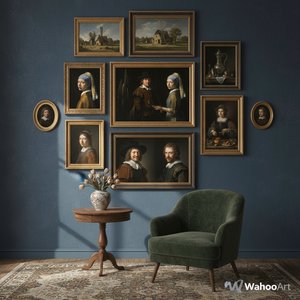
Top 10 Nederlandse Barok Meesterwerken: Kunstgeschiedenis voor uw Interieur
Ontdek de 10 meest iconische meesterwerken van de Nederlandse Barok! Leer over Rembrandt, Vermeer en andere Hollandse meesters. Prachtige reproducties voor uw interieur op AllPaintingsStore.com – museumkwaliteit kunstprints & decoratie.

Top 10 Meesterwerken uit de 17e Eeuw: Kunstgeschiedenis voor uw Interieur
Ontdek de 10 meest iconische meesterwerken uit de 17e eeuw! Van Rembrandt tot Vermeer, duik in de geschiedenis van barok en de Hollandse Gouden Eeuw. Vind museumkwaliteit reproducties & inspiratie voor uw interieur op AllPaintingsStore.com.


