


 Voorvertoning
 Verstuur
 Delen
Delen
 Details bekijken
 Gids
Gids

 Download
 Vergelijkbare items
 Röntgenonderzoek
 Diavoorstelling
 Q&A
Q&A Statistieken
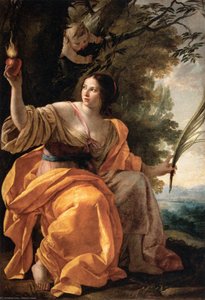
The Fortune Teller

- 95.0 x 135.0 cm


 Lees meer
Giclée / Kunstafdrukken
Giclée- of canvasafdruk van museumkwaliteit met een snelle productie en flexibele afwerkingsmogelijkheden. ( Bestel handgeschilderde reproductie Schakel over naar digitale afbeeldingen)




P118B €10

P118H €10

P118W €10

P438Z €10

P508JH €12

P508YH €12

P805H €10

P805Z €10

P919BZ €10

P919G €10

P919XJ €10

P959ZH €10

P968JZ €12

W106C €8

W218G €10

W218JH €8

W218Y €10

W307PJ €10

W316G €10

W316PJ €8

W316Y €10

W398PJ €8

W4111J €10

W500HY €15

W500JH €15

W692G €12

W849H €8

W940BG €15

W953PJ €8




Kies uit onze vooraf ingestelde maten die overeenkomen met de originele verhoudingen van het kunstwerk.

Voer de gewenste breedte en hoogte in, passend bij uw lijst of muur. Een afdruk kan alleen worden ingekort en nooit groter worden gemaakt dan het origineel; een formaat met andere verhoudingen zal daarom een deel van de afbeelding verliezen. Wij sturen u een digitaal mockup ter goedkeuring voordat we tot drukwerk overgaan. De afbeelding op deze pagina toont niet de werkelijke uitsnede — dit is alleen te zien op het mockup.
Wereldwijde levering () binnen 2 weken in plaats van de standaard 4/5 weken. (1 november)

Gratis wereldwijde expressverzending

Hoogwaardig linnen canvas

Volledige verzendverzekering

Garantie op terugbetaling van invoerrechten

Garantie op exacte kleurweergave

Retourbeleid van 100 dagen (alleen bij defecten)

100% Geld-terug-garantie

Korting bij meerdere afnames
 De optie voor glas is alleen beschikbaar bij een formaat kleiner dan 110 cm.

The Fortune Teller
Giclée / Kunstafdrukken
Afmetingen reproductie
-


Eindtotaal
€ 58
The Enigmatic Allure of Simon Vouet’s “The Fortune Teller”
Simon Vouet's "The Fortune Teller," painted in 1617, isn’t merely a portrait; it’s a carefully constructed tableau brimming with intrigue and a palpable sense of the mystical. Housed within the venerable Galleria Nazionale d’Arte Antica in Rome, this oil on canvas invites viewers into a dimly lit chamber where the boundaries between reality and prophecy blur. Vouet, a pivotal figure bridging the Mannerist and Baroque eras, masterfully employs chiaroscuro – the dramatic interplay of light and shadow – to draw our attention to the central figures and imbue the scene with an almost theatrical intensity.
The composition itself is deliberately layered. At its heart sits a man, his features obscured by a wide-brimmed hat and a flowing beard, engaged in a hushed conversation. He holds an open book, seemingly offering guidance or revealing secrets. Flanking him are two women, their attire – one clad in vibrant red, the other in deep blue – adding splashes of color to the predominantly dark palette. Their attentive gazes suggest they are both recipients and observers of this unfolding drama. The background, rendered in muted tones, serves primarily as a backdrop, emphasizing the figures and creating an atmosphere of hushed anticipation.
A Masterclass in Baroque Technique
Vouet’s technique is a fascinating blend of influences. He absorbed the dramatic lighting favored by Caravaggio, but tempered it with a more refined elegance characteristic of French portraiture. Notice how light pools around the faces and hands, highlighting their expressions and gestures while leaving much of the scene shrouded in shadow. This creates a sense of depth and mystery, inviting speculation about the events taking place within the room. The brushstrokes are smooth and blended, contributing to the painting’s overall polished appearance – a hallmark of Vouet's style.
The use of *sfumato*, another technique borrowed from Leonardo da Vinci, is subtly present, softening edges and creating an atmospheric haze that further enhances the sense of depth. Vouet wasn’t simply replicating Caravaggio; he was adapting his innovations to suit the evolving tastes of the French court, resulting in a uniquely sophisticated style.
Symbolism and Historical Context
"The Fortune Teller" is steeped in symbolism, reflecting the prevailing fascination with astrology, divination, and the occult during the early 17th century. The book held by the central figure likely represents knowledge, prophecy, or perhaps even fate itself. The women, often interpreted as representing fortune tellers or advisors, are positioned to receive this information. The red and blue garments could symbolize different types of wisdom or guidance – a common motif in Renaissance art.
Painted during a period of significant artistic transition in France, Vouet’s work exemplifies the shift from the rigid formality of Mannerism towards the more dynamic and emotionally expressive style of the Baroque. His patronage by influential figures like Cardinal Richelieu helped establish him as one of the leading artists of his time, shaping the course of French painting for decades to come.
A Timeless Appeal: Reproduction Possibilities
The enduring appeal of “The Fortune Teller” lies in its ability to evoke a sense of mystery and intrigue. It’s a scene ripe with narrative possibilities, prompting viewers to imagine the story behind the figures and their exchange. Today, high-quality reproductions of this captivating artwork are available through AllPaintingsStore.com, meticulously crafted using traditional oil painting techniques and premium materials, ensuring that the drama and emotional depth of Vouet's original masterpiece are faithfully preserved. These reproductions offer a beautiful way to bring this iconic work into your home or office – a testament to the enduring power of art.
For further exploration, consider visiting the Galleria Nazionale d’Arte Antica in Rome or delving into online resources like the Web Gallery of Art (The Fortune Teller by VOUET, Simon) and exploring Valentin de Boulogne's work for a deeper understanding of Caravaggio’s influence.
Veelgestelde vragen
Bij welke kunststroming behoort "The Fortune Teller" door Simon Vouet?
"The Fortune Teller" door Simon Vouet behoort tot de French Baroque-stroming. Deze stroming biedt de stilistische context van het werk.
Waar kan ik een print van "The Fortune Teller" door Simon Vouet kopen?
Om een print van "The Fortune Teller" door Simon Vouet te bestellen, kunt u terecht op de Fine Art Print pagina: een fine art print op katoenen canvas of archiefwaardig canvaspapier.
Uit welke materialen bestaat "The Fortune Teller" en in welke stijl is het uitgevoerd?
In "The Fortune Teller" komen de Oil On Canvas-techniek en de French Baroque-stroming samen.
Vergelijkbare kunstwerken




Biografie kunstenaar
Simon Vouet: De Italiaanse Barok in het Hart van Frankrijk
Simon Vouet, geboren te Parijs in 1590, was meer dan slechts een schilder; hij was een culturele ambassadeur. Een man die de dynamische energie van de Italiaanse barokkunst naar het formele hofleven van Frankrijk bracht en zo een onuitwisbare stempel drukte op de ontwikkeling van de Franse kunst in de zeventiende eeuw. Zijn leven was een reis, zowel geografisch als artistiek, vol invloeden die zich vermengden tot een unieke stijl – een stijl die tegelijkertijd krachtig en verfijnd was, dramatisch en toch elegant.
Vouet’s vroege jaren waren gevuld met de passie voor kunst. Zijn vader, Laurent Vouet, was reeds een erkend schilder, waardoor Simon al op jonge leeftijd in aanraking kwam met het ambacht. De eerste tekenen van zijn talent verschenen vroeg; al op veertienjarige leeftijd werd hij naar Engeland gestuurd om portretten te schilderen voor de baron de Sancy. Deze reis was slechts een prelude op een grotere ontdekkingsreis, want kort daarna voegde hij zich bij de entourage van dezelfde baron op weg naar het Ottomaanse Rijk en vervolgens naar Venetië. Het was in Venetië dat Vouet’s artistieke horizon werkelijk begon te verbreden; de levendige kleuren en theatrale composities van de Venetiaanse schilders maakten een diepe indruk.
De Romeinse Jaren: Een Smelterij van Stijlen
Maar het was zijn verblijf in Rome, dat zich uitstrekte van 1614 tot 1627, dat Vouet’s artistieke vormgeving werkelijk definieerde. Rome was toen het epicentrum van de barokkunst, een bruisende smeltkroes waar stijlen en technieken botsten en vermengden. Hier absorbeerde Vouet de invloeden van meesters als Caravaggio, met zijn baanbrekende gebruik van clair-obscur, maar ook die van Paolo Veronese, wiens weelderige kleurgebruik en monumentale composities een blijvende indruk achterlieten. Hij bestudeerde de klassieke idealen van de Carracci’s, de dramatische kracht van Guercino, de verfijnde elegantie van Lanfranco en de serene schoonheid van Guido Reni. Vouet was geen simpele imitator; hij synthetiseerde deze diverse invloeden tot een geheel eigen stijl – een Italiaanse barok die tegelijkertijd krachtig en verfijnd was.
Zijn succes in Rome werd erkend met zijn verkiezing tot president van de prestigieuze Accademia di San Luca, een bewijs van zijn vaardigheid en respect binnen de Italiaanse kunstwereld. De werken die hij tijdens deze periode produceerde, zoals De Kruisiging voor de Basiliek van Sint-Ambrosius, getuigen van zijn meesterschap in compositie, lichtval en kleurgebruik.
Terug naar Frankrijk: Premier Peintre du Roi
In 1627 werd Vouet teruggeroepen naar Parijs door koning Lodewijk XIII en kardinaal Richelieu. Hij werd benoemd tot Premier peintre du Roi, een positie die hem niet alleen aanzien gaf, maar ook toegang tot de meest prestigieuze opdrachten van het hof. Vouet’s stijl bleek precies te passen bij de smaak van zijn Franse opdrachtgevers; hij bood hen iets levendiger en moderner dan de heersende maniërisme, maar minder extreem dan het dramatische naturalisme van de caravaggisten of de volle emotionele expressie van de barok.
Hij stond aan het hoofd van een grote werkplaats, waar hij talloze jonge kunstenaars opleidde die later zelf invloedrijke figuren in de Franse kunst zouden worden. Onder zijn leerlingen bevonden zich namen als Charles Le Brun, Hubert Le Sueur en Pierre Mignard – allemaal meesters die bijdroegen aan het vormgeven van de barokke esthetiek in Frankrijk. Vouet’s decoratieve schilderijen, vaak uitgevoerd in samenwerking met beeldhouwers zoals Jacques Sarrazin, waren indrukwekkende manifestaties van grandeur en virtuositeit.
Een Erfgoed van Invloed
Simon Vouet stierf in 1649, maar zijn nalatenschap leeft voort. Hij was een cruciale schakel tussen de Italiaanse en Franse kunst, een man die met succes de dynamiek en grandeur van de Italiaanse barok naar Frankrijk bracht. Zijn invloed is onmiskenbaar te zien in de ontwikkeling van de Franse schilderkunst tijdens de zeventiende eeuw, en zijn werken blijven bewonderd worden om hun harmonieuze composities, rijke kleuren en verfijnde elegantie. Hij was niet alleen een getalenteerd schilder, maar ook een belangrijke onderwijzer en een pionier die de weg vrijmaakte voor de bloei van de Franse barokkunst.

Simon Vouet
1590 - 1649 , Frankrijk
Belangrijkste feiten
- Artistic Movement Or Style: Barok schilderkunst
- Artists Or Movements Influenced By This Artist:
- Charles Le Brun
- Franse Barokschilderkunst
- Artists Who Influenced This Artist:
- Caravaggio
- Paolo Veronese
- Guido Reni
- Date Of Birth: 9 januari 1590
- Date Of Death: 30 juni 1649
- Full Name: Simon Vouet
- Nationality: Frans
- Notable Artworks:
- De kruisiging voor Milaan
- Riches
- St. Bruno
- Cupid en Psyche
- Time Vanquished
- Place Of Birth: Parijs, Frankrijk
Gerelateerde artikelen

The Dramatic Flourish: Exploring the Baroque Movement's Enduring Legacy in Art History
Explore the dramatic world of Baroque art! Discover iconic artists like Caravaggio & Rubens, defining techniques, and its lasting impact on art history. Expert insights for collectors & enthusiasts at AllPaintingsStore.

Barokke Pracht: Kunst die Grootsheid in Huis Brengt
Ontdek de barokke pracht! Leer over de geschiedenis, kenmerken en toepassingen van deze weelderige kunststijl in uw interieur. Laat u inspireren door meesters en breng grootsheid in huis.

The Enduring Legacy of Oil on Canvas: Technique, History & Aesthetic Impact
Explore the rich history & techniques of oil painting – from Renaissance masters to Impressionism. Discover pigments, layering methods, and why this timeless medium endures. Expert insights for artists & art enthusiasts.

The Enduring Power of Painting: A Historical & Contemporary Exploration of Form and Emotion
Explore the rich history & enduring techniques of oil painting with AllPaintingsStore. Discover masterpieces, learn about art collecting, and find authentic handmade reproductions crafted by skilled artists.

Simon Vouet: A Baroque Master's Journey from Italian Influence to French Classicism
Explore the life & art of Simon Vouet, a pivotal French Baroque painter who introduced Italian styles to France. Discover his masterpieces and lasting influence on 17th-century art.


