


 Voorvertoning
 Verstuur
 Delen
Delen
 Details bekijken
 Gids
Gids

 Download
 Vergelijkbare items
 Röntgenonderzoek
 Diavoorstelling
 Q&A
Q&A Statistieken
Dynamic Decomposition


 Lees meer
Giclée / Kunstafdrukken
Giclée- of canvasafdruk van museumkwaliteit met een snelle productie en flexibele afwerkingsmogelijkheden. ( Bestel handgeschilderde reproductie Schakel over naar digitale afbeeldingen)




P118B €10

P118H €10

P118W €10

P438Z €10

P508JH €12

P508YH €12

P805H €10

P805Z €10

P919BZ €10

P919G €10

P919XJ €10

P959ZH €10

P968JZ €12

W106C €8

W218G €10

W218JH €8

W218Y €10

W307PJ €10

W316G €10

W316PJ €8

W316Y €10

W398PJ €8

W4111J €10

W500HY €15

W500JH €15

W692G €12

W849H €8

W940BG €15

W953PJ €8




Kies uit onze vooraf ingestelde maten die overeenkomen met de originele verhoudingen van het kunstwerk.

Voer de gewenste breedte en hoogte in, passend bij uw lijst of muur. Een afdruk kan alleen worden ingekort en nooit groter worden gemaakt dan het origineel; een formaat met andere verhoudingen zal daarom een deel van de afbeelding verliezen. Wij sturen u een digitaal mockup ter goedkeuring voordat we tot drukwerk overgaan. De afbeelding op deze pagina toont niet de werkelijke uitsnede — dit is alleen te zien op het mockup.
Wereldwijde levering () binnen 2 weken in plaats van de standaard 4/5 weken. (31 oktober)

Gratis wereldwijde expressverzending

Hoogwaardig linnen canvas

Volledige verzendverzekering

Garantie op terugbetaling van invoerrechten

Garantie op exacte kleurweergave

Retourbeleid van 100 dagen (alleen bij defecten)

100% Geld-terug-garantie

Korting bij meerdere afnames
 De optie voor glas is alleen beschikbaar bij een formaat kleiner dan 110 cm.

Dynamic Decomposition
Giclée / Kunstafdrukken
Afmetingen reproductie
-


Eindtotaal
€ 58
The Pulse of Modernity: A Symphony of Motion
In the heart of the early twentieth century, as the gears of the Industrial Revolution began to grind with unprecedented ferocity, a new visual language was born—one that sought to capture not just the world as it appeared, but the electric energy of how it felt. Umberto Boccioni’s Dynamic Decomposition, painted in 1913, stands as a monumental testament to this era of transformation. This work is far more than a mere depiction of figures; it is a visceral exploration of the Futurist spirit, embodying the movement's obsession with speed, technology, and the relentless march of progress. To gaze upon this piece is to step into a world where the boundaries between solid matter and pure energy begin to dissolve, offering an arresting glimpse into a vision of Europe being radically reshaped by industrialization.
The composition serves as a masterclass in the Futurist technique of tubolare, a method designed to reject traditional, static perspective in favor of fragmented planes and overlapping forms. Boccioni does not simply paint a man; he paints the very sensation of movement itself. Through a sophisticated manipulation of light and shadow, the artist creates a palpable sense of instability and disorientation. The figures within the scene appear caught in a moment of intense, unfolding action—a collision of individuals and forces that mirrors the social and technological upheavances of the time. As the eye wanders through the swirling composition, one notices how the tonal variations accentuate fractured contours, drawing the viewer into a rhythmic dance of light and dark that feels both chaotic and meticulously orchestrated.
A Legacy of Fragmentation and Force
Beyond its technical brilliance, Dynamic Decomposition carries the profound weight of the Futurist Manifesto. Inspired by the incendiary words of Filippo Tommaso Marinetti, Boccioni sought to shatter bourgeois artistic traditions and embrace the "noise" and "light" of urban life. The symbolism within the work is deeply rooted in this rejection of the past; the way the figures seem to be actively dissolving into their surroundings represents the breakdown of old certainties. It is a celebration of the machine age, where the individual is no longer a static entity but a participant in a larger, more turbulent flow of cosmic and mechanical energy.
For the discerning collector or interior designer, this artwork offers an unparalleled opportunity to introduce a sense of intellectual depth and avant-garde sophistication to a space. A high-quality reproduction of this masterpiece does not merely decorate a wall; it commands attention, acting as a focal point that sparks conversation and evokes a feeling of dynamic vitality. Whether placed in a contemporary gallery setting or integrated into a curated residential collection, Boccioni’s work brings an enduring sense of movement and historical significance, making it an essential acquisition for those who appreciate art that challenges the senses and captures the very essence of human progress.
Veelgestelde vragen
Hoe komen stroming en tijdperk samen in "Dynamic Decomposition" door Umberto Boccioni?
"Dynamic Decomposition" door Umberto Boccioni behoort tot de Cubist Decomposition-stroming, uit de Moderne tijd-periode van de maker.
Kan ik een olieverfreproductie van "Dynamic Decomposition" bestellen?
Handgeschilderde reproducties van "Dynamic Decomposition" door Umberto Boccioni zijn verkrijgbaar via deze website: een met de hand geschilderde olieverfreproductie op linnen canvas, te bestellen op de Handgeschilderde reproductie pagina.
Wat voegt "Dynamic Decomposition" door Umberto Boccioni toe aan een interieur?
"Dynamic Decomposition" door Umberto Boccioni heeft een Bold atmosfeer en wordt aanbevolen voor de Coworking. De stemming bepaalt wat het werk toevoegt aan de omringende ruimte.
Vergelijkbare kunstwerken


Biografie kunstenaar
A Life Forged in Motion: The Revolutionary Vision of Umberto Boccioni
Umberto Boccioni, geboren in Reggio Calabria in 1882, was een figuur van formaat binnen de Italiaanse Futuristische beweging – een kracht die streefde naar het ontwrichten van artistieke conventies en de dynamiek van de moderne wereld omarmde. Zijn leven, tragisch verkort op slechts dertig-driejarige leeftijd, werd een getuigenis van deze vurige overtuiging in vooruitgang, snelheid en de betoverende energie van de machine-tijdperk. Boccioni’s vroege jaren waren gekenmerkt door voortdurende verhuizingen vanwege zijn vader’s dienstplaatsingen binnen de overheidsadministratie – een opvoeding die hem blootstelde aan diverse landschappen en in hem een onrustige geest zaaide. Deze nomadenbestaan leidde uiteindelijk tot Rome, waar hij aanvankelijk studie volgde aan toegepaste kunstnijverheid, maar zich vervolgens richtte op schilderkunst, onder invloed van de Liberty-stijl posterkunstenaars van die tijd. Echter, het was zijn ontmoeting met Futurisme, aangewakkerd door de geschriften van Filippo Tommaso Marinetti, die zijn artistieke traject werkelijk in brand zette.Embracing the Whirlwind: The Rise of a Futurist
Het jaar 1910 bleek cruciaal voor Boccioni. Hij tekende de *Manifesto dei Pittori Futuristi*, waarmee hij zich committeerde aan een beweging die technologie, snelheid en zelfs geweld als emblemen van moderniteit vierde. Dit was niet slechts een esthetische keuze; het was een filosofisch verzet tegen het gewicht van traditie, een wens om de essentie te vangen van een wereld die met volle snelheid vooruit hurtelde naar een onzekere toekomst. Boccioni werd snel een van de meest overtuigende theoretici van Futurisme, verder uitwerkend aan Marinetti’s initiële verkondigingen en deze toepassend op de visuele kunsten. Hij betoogde dat een complete breuk met representatievere nauwkeurigheid noodzakelijk was, in plaats daarvan schilderijen die niet alleen *wat* dingen leken, maar ook *hoe* ze voelden in beweging – het gevoel van snelheid, de fragmentatie van vorm, de overweldigende energie van stedelijk leven – overbrachten. Zijn vroege werken, hoewel nog steeds hints van Impressionisme en Divisionisme vertoonden, begonnen deze opborrelende obsessie met dynamiek te demonstreren. Schilderijen zoals *The City Rises* (1910-1911) zijn monumentaal in schaal en ambitie, een chaotische weergave van de moderne stad – een draaiende vortex van menselijke figuren, gebouwen en machines die het Futurist ideaal belichaamt.Deconstructing Reality: Techniek en Thema’s
Boccioni’s artistieke ontwikkeling kenmerkte zich door een steeds radicalere benadering van vorm. Hij verliet traditionele opvattingen over perspectief en compositie, en omarmde fragmentatie als een manier om beweging en energie te communiceren. Objecten werden ontleed in hun samenstellende delen, krachtenlijnen straalden naar buiten, en kleuren vermengden in draaiende patronen – allemaal ontworpen om een gevoel van visuele trilling te creëren. Deze deconstructie was niet alleen stijliciëus; het was geworteld in Boccioni’s overtuiging dat werkelijkheid zelf vloeibaar en voortdurend veranderend was. Hij zocht naar een manier om niet alleen de statische verschijning van dingen te representeren, maar ook hun dynamische essentie. Dit is krachtig geïllustreerd in werken zoals *Dynamism of a Human Body* (1913), waarbij een figuur wordt afgebeeld niet als een solide vorm, maar als een reeks fragmentarische vormen die beweging door de ruimte suggereren. Zijn meest iconische creatie, *Unique Forms of Continuity in Space* (1913), gaat verder dan schilderkunst – een bronzen beeld dat het Futurist ideaal met verbluffende kracht belichaamt. De figuur lijkt midden in een stap te staan, zijn ledematen en torso uitgerekt en vervormd, die een gevoel van onstuitbare momentum overbrengen.Influences and Legacy
Boccioni’s vroege invloeden omvatten de technieken van Giacomo Balla’s Divisionisme, de fragmentatie van vorm uit Cubisme, en de filosofische geschriften van Nietzsche. Zijn werk werd beïnvloed door de Italiaanse kunstenaars Carlo Carrà en Luigi Russolo. Ondanks zijn vroege dood in 1916, bleef zijn ideeën en werken resoneren lang na zijn overlijden. Hij heeft niet alleen latere Futuristen beïnvloed, maar ook bewegingen als Constructivisme en Abstract Expressionisme. Zijn verkenning van beweging, dynamiek en de representatie van moderne levenswijze heeft nieuwe vormen van artistieke expressie geopend, traditionele opvattingen over schoonheid en representatie uitdaagend. Zijn werk gaat niet alleen over het weergeven van beweging; het is over het belichamen ervan.- Invloeden: Technieken van Giacomo Balla’s Divisionisme, fragmentatie van vorm uit Cubisme, filosofische geschriften van Nietzsche.
- Bekende Werken: *Dynamism of a Human Body*, *Unique Forms of Continuity in Space*, *The City Rises*, *Dynamism of a Cyclist*.
- Historische Betekenis: Een sleutelfiguur in de 20e-eeuwse kunst, daagde Boccioni artistieke conventies uit en heeft de loop van moderne kunst beïnvloed. Zijn theorieën over dynamiek en de representatie van beweging inspireren kunstenaars nog steeds.
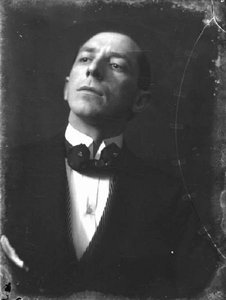
Umberto Boccioni
1882 - 1916 , Italië
Belangrijkste feiten
- Artistic Movement Or Style: Futurisme
- Artists Or Movements Influenced By This Artist:
- Constructivisme
- Abstract Expressionisme
- Artists Who Influenced This Artist:
- Giacomo Balla
- Divisionisme
- Date Of Birth: 1882-10-19
- Date Of Death: 1916-08-17
- Full Name: Umberto Boccioni
- Nationality: Italiaans
- Notable Artworks:
- Dynamiek van een menselijk lichaam
- Unieke vormen van continuïteit in de ruimte
- De stad stijgt
- Place Of Birth: Reggio Calabria, Italië
Gerelateerde artikelen

Top 10 Witte Meesterwerken: Kunstgeschiedenis & Interieurinspiratie
Ontdek de top 10 witte meesterwerken uit de kunstgeschiedenis! Van Monet tot Mondriaan, bewonder abstracte vormen & serene kleuren. Vind museumkwaliteit reproducties en interieurinspiratie op AllPaintingsStore.com.

Giclée Prints: Archival Quality & Aesthetic Nuances for the Discerning Collector
Explore the world of giclée prints with AllPaintingsStore. Learn about archival quality, aesthetic nuances & investment potential. Expert guidance for discerning art collectors seeking museum-quality reproductions and lasting value.

Meesterwerken in Zwart: Top 10 Schilderijen Gedreven door Donkere Tinten | AllPaintingsStore.nl
Ontdek de kracht van donker! Verlies jezelf in onze top 10 zwarte schilderijen, van Caravaggio tot Manet. Leer over meesterwerken, technieken & emotie. Museumkwaliteit reproducties op AllPaintingsStore.com – Kunst voor uw interieur.

Beyond Color: The Timeless Power and Artistry of Black and White Photography
Explore the profound artistry of black and white photography. From the chemistry of gelatin silver to the chiaroscuro of the Old Masters, discover how monochrome captures the eternal essence of light, form, and emotion for the discerning art collector.

Monochrome Visions: Exploring the Aesthetic & Historical Significance of Black & White Photography
Explore the rich history & artistic power of black and white photography. From early techniques to iconic masters like Ansel Adams, discover why monochrome continues to captivate art lovers today. Expert insights for collectors.


