


 Voorvertoning

 Verstuur
 Delen
 Details bekijken
 Gids


 Download
 Vergelijkbare items
 Röntgenonderzoek
 Diavoorstelling
 Vraag & antwoord
 Statistieken
Clock (Chronometer)

- 35.0 x 26.0 cm

 Lees meer
De kunstwerken die op deze pagina worden weergegeven, zijn beschermd door de auteursrechtwetgeving, wat betekent dat het ons wettelijk niet is toegestaan om identieke reproducties te maken of te verkopen. Deze bescherming wordt gehandhaafd onder internationale overeenkomsten zoals de Conventie van Bern en door nationale wetgeving, waaronder de bepalingen van de Amerikaanse auteurswet - Titel 17. Alle rechten voorbehouden. Reproduceren of distribueren van afbeeldingen is niet toegestaan zonder uitdrukkelijke schriftelijke toestemming van WahooArt.com en de rechthebbenden.
Deze methode voldoet volledig aan de auteursrechtwetgeving, omdat het niet gaat om het kopiëren of dupliceren van het beschermde kunstwerk. In plaats daarvan is er sprake van een creatieve herinterpretatie — een nieuw schilderij dat door het origineel wordt geïnspireerd, maar er niet identiek aan is.
Giclée / Kunstafdrukken
Giclée- of canvasafdruk van museumkwaliteit met een snelle productie en flexibele afwerkingsmogelijkheden. ( Bestel handgeschilderde reproductie Schakel over naar digitale afbeeldingen)
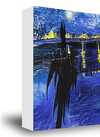
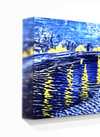
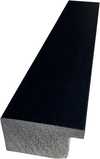
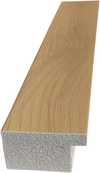
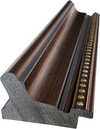
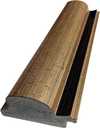
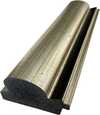
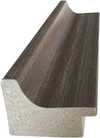
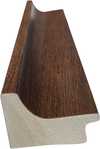
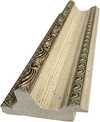
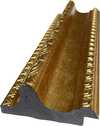
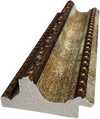
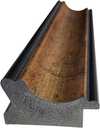
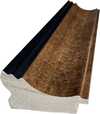
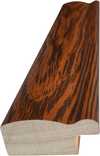
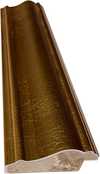

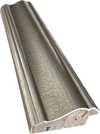
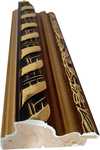
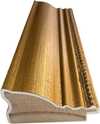
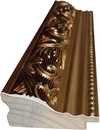
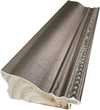
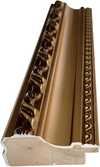
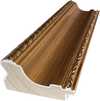
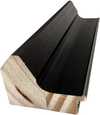
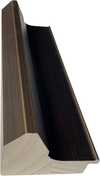
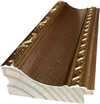
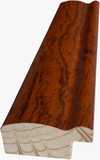
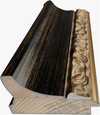
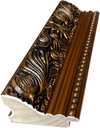
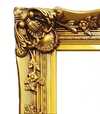
Kies uit onze vooraf ingestelde maten die overeenkomen met de originele verhoudingen van het kunstwerk.

Voer de gewenste breedte en hoogte in, passend bij uw lijst of muur. Een afdruk kan alleen worden ingekort en nooit groter worden gemaakt dan het origineel; een formaat met andere verhoudingen zal daarom een deel van de afbeelding verliezen. Wij sturen u een digitaal mockup ter goedkeuring voordat we tot drukwerk overgaan. De afbeelding op deze pagina toont niet de werkelijke uitsnede — dit is alleen te zien op het mockup.
Wereldwijde levering () binnen 2 weken in plaats van de standaard 4/5 weken. (17 november)

Gratis wereldwijde expressverzending

Hoogwaardig linnen canvas

Volledige verzendverzekering

Garantie op terugbetaling van invoerrechten

Garantie op exacte kleurweergave

Retourbeleid van 100 dagen (alleen bij defecten)

100% Geld-terug-garantie

Korting bij meerdere afnames
 De optie voor glas is alleen beschikbaar bij een formaat kleiner dan 110 cm.

Clock (Chronometer)
Giclée / Kunstafdrukken
Afmetingen reproductie
-


Eindtotaal
€ 58
Vergelijkbare kunstwerken


Biografie kunstenaar
Early Life, Family and Training
Born in London in 1865, William Frank Calderon entered a world where the brush and the studio were matters of family lineage. He was the third son of Philip Hermogenes Calderon, a painter who held the significant position of Keeper of the Royal Academy in London. This domestic environment, steeped in the formal traditions of the British art establishment, provided a foundation that was both prestigious and demanding. The expectations of his station were met early through a natural aptitude for the craft.
His formal education was marked by significant early recognition. At the age of fourteen, he was awarded the Trevelyan Goodall Scholarship, a distinction that signaled his potential long before he reached maturity. This early success paved the way for more rigorous academic pursuits. He eventually secured a scholarship to the Slade School, where he studied under the guidance of Professor Alphonse Legros. This period of training was essential in refining the technical precision that would define his later output.
Artistic Style and Subject Matter
Calderon’s brush moved with a versatility that mirrored the diverse interests of the late Victorian era. He was a painter of portraits, landscapes, figure subjects, and sporting pictures, often navigating the space between quiet observation and dramatic narrative. His compositions frequently leaned toward historical genre scenes, where he sought to capture the weight of human experience within a specific temporal setting. This ability to blend the anecdotal with the formal allowed him to move seamlessly between the intimate details of a domestic scene and the broader sweep of a landscape.
His technical proficiency earned him a place among the established circles of his day. In 1891, he became a member of the Royal Institute of Oil Painters, a recognition of his command over the medium. For four decades, between 1881 and 1921, his work was a regular presence at the Royal Academy, where he exhibited a wide range of his creative output. Whether depicting the movement of animals or the stillness of a rural vista, his approach remained grounded in a disciplined understanding of form and light.
The breadth of his subject matter is reflected in the varied themes found within his catalog:
- Feeding the Hungry (1882)
- The Blue Hussar (1903)
- Market Day (1907)
- Cows Drinking (1914)
The School of Animal Painting
In April 1895, Calderon turned his attention toward the formal instruction of others, co-founding the School of Animal Painting alongside Charles Edward Johnson. The institution was established at 54 Baker Street, London, providing a dedicated space for those seeking to master the complexities of animal anatomy and form. He remained at the helm as principal until 1916, guiding a curriculum that emphasized direct observation. Students were encouraged to move beyond static models, often visiting the Zoological Gardens to sketch animals in their natural, unposed states.
The pedagogical approach was rigorous and tactile. The studio was a bustling environment, frequently occupied by a variety of live models including horses, dogs, cats, goats, and the occasional donkey. To assist in the study of structure, the school maintained a collection of plaster casts—ranging from the heads of lions and tigers to the paws of various animals—alongside anatomically prepared skeletons. This emphasis on the physical reality of the subject allowed students to capture the spirit of a creature through a deep understanding of its underlying mechanics.
Beyond the urban confines of London, Calderon established a summer school in West Sussex. This seasonal retreat offered a different atmosphere for artists to hone their skills in the countryside. The school provided a focused environment where the study of nature was paired with the quietude of the English landscape, allowing for a more immersive connection to the subjects of their work.
Key Works and Publications
Calderon’s early recognition arrived with a significant milestone when his first painting exhibited at the Royal Academy was purchased by Queen Victoria. This early validation preceded a prolific period of illustration, including his 1895 work on The Most Delectable History of Reynard The Fox. His ability to translate narrative into visual form was further refined through his engagement with various book designs, such as the gold-blocked Art Nouveau cover for the aforementioned Reynard text.
His visual output was not limited to the page; he maintained a steady presence in the exhibition halls of the Royal Academy from 1881 until 1921. Among his notable canvases is Cows Drinking, a work dated about 1914 that reflects his interest in the quietude of rural life. These paintings demonstrate a commitment to the specificities of his subjects, whether they were the bustling social interactions of a market day or the solitary stillness of a landscape.
Beyond the canvas, Calderon sought to codify the technical requirements of his craft. In 1936, he published Animal Painting and Anatomy, a volume that remains a useful reference source for those studying the structural complexities of his preferred subjects. This publication solidified his reputation as a practitioner who valued the intersection of anatomical precision and artistic expression.

William Frank Calderon
1865 - 1943 , United Kingdom
Belangrijkste feiten
- Artistic Movement Or Style: Pre-Raphaelite sensibilities
- Artists Or Movements Influenced By This Artist:
- Cecil Aldin
- Lionel Edwards
- Alfred Munnings
- Artists Who Influenced This Artist:
- Frederic Leighton
- John Everett Millais
- Dante Gabriel Rossetti
- Full Name: William Frank Calderon
- Nationality: British
- Notable Artworks:
- And When Did You Last See Your Father?
- Cows Drinking
- Market Day
- Place Of Birth: London, United Kingdom
- Date Of Birth: 1865
- Date Of Death: 1943
Gerelateerde artikelen

Timeless Elegance: A Curated Exploration of the Clock Motif in Art History
Explore the profound artistry of the clock motif in art history. From Surrealist masterpieces to Imperial Fabergé, discover how time is captured through exquisite craftsmanship and timeless elegance for sophisticated interiors.