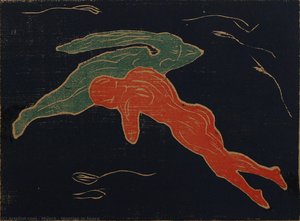
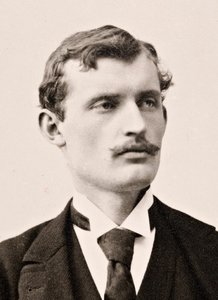
Livet og identiteten til Edvard Munch
Edvard Munch var en norsk maler hvis liv var dypt knyttet til landskapene og den tunge atmosfæren i hans hjemland. Han ble født 12. desember 1863, og tilbrakte store deler av sin eksistens med å navigere i menneskesjelens kompleksitet gjennom pensel og grafiske verktøy. Hans arbeid føltes ofte som en direkte forlengelse av hans egne indre kamper, der private følelser ble transformert til noe synlig og delt. Han forble en aktiv kraft i kunstverdenen helt frem til sin død den 23. januar 1944.
Hans evne til å fange menneskelivets skjelvinger nådde et høydepunkt i 1893 med skapelsen av Skrik. Dette spesifikke verket har blitt et av de mest anerkjente bildene i vestlig kunst, verdenskjent for sin skildring av eksistensiell angst. Mens mange kunstnere søkte å gjenskape den fysiske verden, var Munch opptatt av det som ikke kan ses, slik som angst og ensomhetens tyngde. Han brukte farge og form for å gi form til de usynlige kreftene som river i menneskesjelen.
Gjennom sin lange karriere produserte han en enorm mengde verk som spente over mange ulike medier. Hans produksjon inkluderte:
Tidlig liv, familie og utdanning
Edvard Munch ble født i 1863, midt i det barske norske landskapet. Barndommen hans ble formet av et hjem hvor sykdom var en konstant følgesvenn. I 1868 gikk moren bort av tuberkulose, et tap som satte dype spor i den lille gutten. Denne følelsen av skjørhet ble ytterligere forsterket i 1877, da søsteren Johanne Sophie også bukket under for tuberkulose i en alder av 15 år. Disse tidlige sorgprosessene betydde at dødelighetens skygger ble vevd inn i selve livsveven i hans daglige tilværelse.
Faren hans, Christian Munch, arbeidet som lege og medisinmann. Christian var en mann preget av intens religiøs hengivenhet, men han kjempet også med et nervøst og besettende religiøst temperament. Atmosfæren i hjemmet var ofte tung av denne følelsen av angst. Da han vokste opp i slike omgivelser, fant Edvard ofte trøst i tegning for å holde tiden i gang gjennom de lange vintrene, når sykdom holdt ham borte fra skolen. Disse tidlige erfaringene med sorg og frykt skulle etter hvert finne veien opp til lerretet hans.
For sin formelle utdannelse studerte han ved Den kongelige Tegneskole i Kristiania. Det var her han begynte å utvikle de tekniske ferdighetene som skulle danne grunnlaget for hans senere utforskning av menneskesjelen. Opplæringen la fundamentet for et livslangt virke dedikert til å oversette indre smerte til visuelle former.
De bohemske kretsene i Kristiania
I gatene i Kristiania, det tidligere navnet på Oslo, fant Munch et fellesskap som utfordret alt han hadde blitt lært opp til. Han beveget seg i byens bohemske kretser, en gruppe mennesker som levde utenfor datidens strenge samfunnsnormer. Blant dem var den naturalistiske maleren Christian Krohg, som var en del av denne progressive sirkelen. Disse samlingene var ikke bare sosiale møteplasser; de var rom der nye måter å se verden på ble debattert og levd ut i praksis.
Det var gjennom påvirkningen fra nihilisten Hans Jæger at Munchs egen vei begynte å endre seg. Jæger oppmuntret ham til å bevege seg bort fra de høflige, akademiske tradisjonene som preget tiden. Han oppfordret kunstneren til å vende blikket innover og male sin egen emosjonelle og psykologiske tilstand. Dette var en radikal tanke. I stedet for å forsøke å fange verden slik den fremstod for andre, begynte Munch å bruke lerretet som et verktøy for å uttrykke de indre stormene i sitt eget sinn.
Reiser og impulser i Paris og Berlin
Å bevege seg gjennom de europeiske kunstsentrene ga Edvard Munch muligheten til å se sine egne impulser reflektert i andre kunstneres verk. I Paris kom han i møte med teknikkene til kunstnere som Paul Gauguin og Vincent van Gogh. Han lærte mye av dem, og absorberte hvordan de brukte farge og form for å bevege seg forbi den rene representasjonen. Tiden i storbyen førte ham også i kontakt med Henri de Toulouse-Lautrec. Disse møtene bidro til å foredle hans måte å se verden på, en måte som prioriterte det indre fremfor det ytre.
Oppholdet i Berlin skiftet fokus mot de dypere og mer urovekkende lagene i menneskesinnet. Det var her han møtte den svenske dramatikeren August Strindberg. Disse forbindelsene med skikkelser som Strindberg drev hans utforskning av psykologiske temaer videre. Han begynte å bruke kunsten til å utforske menneskelivets skjelvinger, og beveget seg bort fra naturalistiske skildringer mot en stil som kunne formidle den tunge børen av frykt og angst.
Teknikk og stilen i sjelens maleri
Munch søkte ikke å gjenskape den fysiske verden slik den fremstod for øyet. I stedet forsøkte han å eksternalisere sin indre tilstand, en metode han selv kalte sjelens maleri. Gjennom forvrengte former og rytmiske linjer kommuniserte han menneskelivets dypeste skjelvinger, og transformerte psykisk nød til en synlig og håndgripelig form. Penselstrøkene hans reflekterte ofte turbulensen i hans eget sinn, hvor farge og form ble brukt til å oversette det han følte, snarere enn det han så.
Dette fokuset på det indre førte til omfattende eksperimentering med ulike medier. Han var en svært aktiv grafiker som benyttet seg av litografi, tresnitt og etsing for å utvide sitt kunstneriske virkeområde. Hans tekniske spennvidde var bred og omfattet dyptrykksprosesser som akvatint, koldnål og kobberstikk. Disse metodene gjorde det mulig for ham å bygge opp lag av teksturer og linjer som speilet kompleksiteten i menneskelige følelser.
Livets frise og hovedverkene
Munch søkte å fange de evige syklusene i menneskelig eksistens gjennom en serie verk han kalte Livets frise. Denne samlingen fokuserte på de tunge, uunngåelige temaene kjærlighet, frykt, død og angst. Han etterstrebte ikke en enkel skildring av livet, men snarere en utforskning av de indre stormene som definerer det. Maleriene hans fungerte ofte som en måte å bearbeide sorgen og de psykologiske rystelsene som fulgte ham fra ungdommen.
Mange av hans mest anerkjente motiver sprang ut av disse personlige kampene. Han fremkalte Skrik mens han befant seg i Kristiania, hvor han brukte virvlende, flammende landskap for å representere en følelse av eksistensiell angst. I andre verk vendte han blikket mot kompleksiteten i menneskelige relasjoner og livets skjørhet. Madonna utforsker skjæringspunktet mellom seksualitet og dødelighet, mens Det syke barn forblir en hjerteskjærende påminnelse om tapet av hans søster, Sophie. Disse verkene reflekterer et menneske som forsøker å finne mening i skyggene som forfulgte ham.
- Skrik (1893)
- Madonna (1894)
- Det syke barn (ca. 1926)
- Pubertet (1894–95)
De siste årene og døden
De siste årene av Munchs liv var preget av et betydelig skifte i både hans personlige vaner og hans kreative miljø. Etter et mentalt sammenbrudd i 1908, tok han beslutningen om å slutte med tungt alkoholmisbruk. Denne endringsperioden førte ham bort fra ungdomstidens turbulente sosiale kretser. I stedet tilbrakte han sine gjenværende år med å arbeide i fred og avskjerming, hvor han fant et stille rom til å videreføre sitt kunstneriske virke.
Hans produksjon forble uforminsket helt til hans siste tid. Da han gikk bort i 1944, hadde han samlet en omfattende samling på 1006 malerier. Mens verden rundt ham sto overfor de enorme omveltningene under andre verdenskrig, overlevde flertallet av hans verk konflikten, noe som sikret at hans visuelle språk forble tilgjengelig for fremtidige generasjoner til å studere og oppleve.
Den varige arven og innflytelsen
Munchs evne til å konfrontere de mørkere sidene ved den menneskelige tilstand bidro til å bane vei for den tyske ekspresjonismen. Som en pioner innen ekspresjonismen beveget han seg bort fra den akademiske kunstens høflige regler for å finne en måte å skildre sinnets indre stormer på. Ved å oversette psykisk nød til visuell form, endret han fundamentalt hvordan kunstnere nærmet seg lerretet. Hans arbeid ble en hjørnestein i modernismen, og flyttet fokus fra det øyet ser, til det sjelen må utholde.
Hans nærvær merkes dypt i den norske kunsthistorien. Gjennom sin utforskning av universelle menneskelige erfaringer bidro han til å definere en nasjonal identitet. Måten han brukte farger og forvrengte linjer på for å kommunisere eksistensens rystelser, etterlot et avtrykk som mange kunstnere fulgte i tiden som kom. Hans innflytelse strakte seg langt utover Norges grenser og har preget hvordan den moderne verden oppfatter angst og isolasjon.
- The Scream (1893)
- Madonna (1894)
- The Sick Child (ca. 1926)
Hvor man kan se verkene i dag
For å oppleve bredden i hans livsverk, må man reise til Oslo i Norge. Munchmuseet er den fremste vokteren av hans arv, og huser en enorm samling som spenner over hele hans kunstneriske produksjon. Dette er et sted hvor det enorme omfanget av hans skapende kraft blir tydelig, og som tilbyr et dyptdykk inn i de eksistensielle temaene han utforsket gjennom sine mange år med maleri og grafikk.
Andre betydningsfulle verk er bevart i byens andre store institusjoner. Nasjonalmuseet i Oslo rommer tempera- og fargekråversjonen fra 1893 av Skrik. Dette spesifikke verket tilbyr en annen tekstur og følelse sammenlignet med de andre versjonene. I tillegg er Nasjonalmuseet hjemsted for en versjon av Madonna, noe som gir besøkende muligheten til å se hvordan han tilnærmet seg det samme motivet gjennom ulike kunstneriske linser.
- Skrik (1893) - Nasjonalmuseet, Oslo
- Madonna - Nasjonalmuseet


 Vis hele teksten


 Bytt til trykk


 For kunstverk eller reproduksjoner som er større enn 105 cm (ca. 41 tommer) på noen side, vil rammen bli sendt som et sett som må monteres. Denne metoden sikrer trygg levering og forhindrer skader under transport.