


 Se i rommet
 Del som digitalt kort
 Del
Del
 Detaljer
 Studentguide

 Last ned
 Liknende objekter
 Røntgen
 Lysbildefremvisning
 Besøksstatistikk
The Minotaur
 Acrylic On Canvas
- WallArt
- Symbolist Movement
 1885
1885 94.0 x 118.0 cm
 Tate Britain
 Les mer
Giclée / Kunsttrykk
Giclée- eller lerretsprint av museumskvalitet med rask produksjon og fleksible valgmuligheter for etterbehandling. ( Bestill håndmalt reproduksjon Gå til digitalt bilde)




P118B Nkr10

P118H Nkr10

P118W Nkr10

P438Z Nkr10

P508JH Nkr12

P508YH Nkr12

P805H Nkr10

P805Z Nkr10

P919BZ Nkr10

P919G Nkr10

P919XJ Nkr10

P959ZH Nkr10

P968JZ Nkr12

W106C Nkr8

W218G Nkr10

W218JH Nkr8

W218Y Nkr10

W307PJ Nkr10

W316G Nkr10

W316PJ Nkr8

W316Y Nkr10

W398PJ Nkr8

W4111J Nkr10

W500HY Nkr15

W500JH Nkr15

W692G Nkr12

W849H Nkr8

W940BG Nkr15

W953PJ Nkr8




Velg mellom våre forhåndsdefinerte størrelser som bevarer kunstverkets opprinnelige proporsjoner.

Skriv inn bredden og høyden du trenger, slik at den passer til din ramme eller vegg. Et trykk kan kun beskjæres, aldri gjøres større enn bildet, så et format med en annen form vil miste en del av motivet. Vi sender deg en digital mockup for godkjenning før vi trykker noe som helst. Bildet som vises på denne siden viser ikke den faktiske beskjæringen — det er kun mockuppen som gjør det.
Verdensomspennende levering () på 2 uker i stedet for standard 4/5 uker. (25 October)

Gratis ekspressfrakt over hele verden

Lerretsduk av høykvalitets lin

Full transportforsikring

Garanti for refusjon av toll og importavgifter

Garantert fargeekthet

100 dagers returrett ved fabrikasjonsfeil

100% pengene tilbake-garanti

Mengderabatt
 Glassalternativet er kun tilgjengelig i størrelser under 110 cm

The Minotaur
Giclée / Kunsttrykk
Format på reproduksjon
-


Totalpris
Nkr 608
The Haunting Echoes of Myth: George Frederic Watts’ “The Minotaur”
George Frederic Watts' "The Minotaur," painted in 1885, isn’t merely a depiction of a monstrous figure from Greek mythology; it’s a profound meditation on primal instincts, the burden of violence, and the tragic consequences of unchecked desire. This oil-on-canvas masterpiece transcends its mythological roots to become a powerfully emotive exploration of the human condition, resonating with viewers even today.
Watts, a prominent figure in the Symbolist movement, rejected the academic conventions of his time, prioritizing emotional intensity and symbolic representation over realistic portrayal. He sought to capture not just what he saw, but what he *felt*, drawing heavily on classical literature – particularly Homer’s *Iliad* – as well as contemporary social anxieties. “The Minotaur” emerged during a period of intense moral debate surrounding the exploitation of women and children, fueled by investigative journalism exposing the horrors of prostitution in Victorian London. This context is crucial to understanding the painting's unsettling power.
A Study in Contrasts: Form and Emotion
The composition immediately commands attention. The Minotaur dominates the foreground, his massive form rendered with a deliberate roughness – not polished or idealized, but imbued with a palpable sense of brute strength and suppressed rage. His head, a grotesque fusion of human and bull, is turned away from the viewer, creating an unsettling sense of detachment and isolation. The artist masterfully employs *profil perdu*, a technique where only part of the figure’s face is visible, intensifying the creature's enigmatic nature.
Notice the stark contrast between the Minotaur’s powerful physicality and the delicate detail lavished upon the small bird crushed beneath his fist. This seemingly insignificant element serves as a potent symbol – representing innocence, vulnerability, and ultimately, destruction. The bird, likely intended to evoke the image of a young maiden, is brutally silenced by the Minotaur's overwhelming force, highlighting the devastating consequences of unchecked aggression.
The Labyrinth of Interpretation: Symbolism and Context
Watts’ choice to depict the Minotaur gazing out towards the sea is particularly evocative. The vast expanse of water suggests a longing for escape, perhaps even a yearning for redemption – an impossible desire given the creature's monstrous nature. The reference to the Athenian tribute—the ritual sacrifice of young people—directly connects the painting to Stead’s exposé and the broader social anxieties of the era. It’s a chilling reminder of the dark undercurrents beneath Victorian society, where beauty and innocence were often corrupted by greed and exploitation.
The myth itself offers layers of interpretation. The Minotaur represents not just brute force, but also the primal instincts that lie dormant within all humanity – the capacity for violence, jealousy, and self-destruction. Watts doesn’t shy away from these darker aspects of human nature, presenting them with unflinching honesty.
A Timeless Masterpiece: Technique and Legacy
Technically, “The Minotaur” is a remarkable achievement. Watts employed a loose, expressive brushstroke, creating a sense of movement and dynamism within the composition. The colors are rich and saturated, contributing to the painting’s dramatic intensity. He deliberately avoided smooth surfaces, opting for a textured effect that emphasizes the physicality of the subject.
Despite its unsettling subject matter, “The Minotaur” remains one of Watts' most celebrated works, admired for its emotional depth, symbolic complexity, and masterful execution. It continues to provoke thought and discussion, serving as a powerful reminder of the enduring relevance of myth and the complexities of human nature. Reproductions of this haunting image offer a captivating glimpse into the Victorian era’s anxieties and Watts’ profound artistic vision.
Spørsmål og svar
Hvem er opphavspersonen til "The Minotaur", og hvilket år ble det laget?
George Frederic Watts laget "The Minotaur" i 1885.
Hvilken stemning uttrykker "The Minotaur" av George Frederic Watts innenfor Symbolist Movement?
"The Minotaur" bærer en Melancholic emosjonell tone innenfor Symbolist Movement-retningen.
Når ble "The Minotaur" laget?
"The Minotaur" dateres til 1885. Datoen plasserer verket innenfor George Frederic Watts sin karriere og sin epoke.
Relaterte kunstverk


Kunstnerbiografi
tidlig liv og utdanning
George Frederic Watts, en fremtredende skikkelse innen den symbolistiske bevegelsen, ble født 23. februar 1817 i Marylebone, London. Hans tidlige år var preget av skjør helse og tapet av sin mor i ung alder. Watts' far, en pianofabrikant, ga ham en konservativ kristen utdannelse og introduserte ham for klassikerne, inkludert Iliaden. Denne klassiske påvirkningen skulle senere bli en hjørnestein i hans kunstneriske stil.karriere
Watts begynte sin kunstneriske reise allerede i 10-årsalderen, da han lærte skulptur under William Behnes. Senere ble han som 18-åring student ved Royal Academy Schools. Hans første utstilling ved akademiet i 1837 markerte starten på en blomstrende karriere.- Caractacus, en tegning innsendt til en konkurranse om å designe veggmalerier til det nye parlamentet, ga Watts førstepris i 1843.
- Hans påfølgende reiser til Italia (1843–1847) og hans forbindelser med den britiske ambassadøren Henry Fox påvirket stilen hans, slik man ser i hans portrett av Lady Holland, utstilt i 1848.
- Watts' retur til Storbritannia førte til et oppdrag for en freske i parlamentet, som han fullførte mellom 1848 og 1853.
symbolistiske mesterverk
Watts' mest berømte verk inkluderer:- Håp og Kjærlighet og liv, ment som en del av en episk symbolsk syklus kalt "Livets hus".
- Den røde korsridderens triumf (fra Faerie Queene), fullført i 1852–53, som viser hans mesterskap innen allegoriske motiver.
- Hans portrett av skuespillerinnen Ellen Terry, malt i 1864, eksemplifiserer hans evne til å fange motivets essens.
ettermæle
Watts' innflytelse på kunstverdenen er ubestridelig. Hans tilknytning til den symbolistiske bevegelsen og hans innovative bruk av farge og form har gjort ham til en elsket skikkelse i britisk kunsthistorie. Se George Frederic Watts' kunstverk på AllPaintingsStore.commuseer som viser Watts' verk
- Lincoln's Inn, som inneholder hans freske Rettferdighet, en halvsirkel av lovgivere.
- Watts Gallery – Artists' Village i Guildford, Storbritannia, dedikert til å bevare Watts' verk og andre kunstneres arv.

George Frederic Watts
1817 - 1904 , Storbritannia
Kort om kunstneren
- Artistic Movement Or Style: Symbolist kunst
- Artists Who Influenced This Artist:
- William Blake
- John Everett Millais
- Date Of Birth: februar 23, 1817
- Full Name: George Frederic Watts
- Nationality: britisk
- Notable Artworks:
- Hope og Love
- Triumfen av den røde korsridderen
- Portrett av Ellen Terry
- Place Of Birth: Marylebone, United Kingdom
Relaterte artikler

Timeless Legends: A Curated Guide to the Eternal Allure of Mythological Masterpieces
Embark on a sophisticated journey through the eternal allure of mythological art. Discover how master painters breathe life into ancient legends, from Greek deities to Baroque masterpieces, and learn to curate these timeless narratives within your own exquisite art collection.

George Frederic Watts: Symbolism, Spirituality & Victorian Ideal Beauty
Explore the captivating Symbolist art of George Frederic Watts. Discover his allegorical masterpieces, classical influences & spiritual themes. Learn about his legacy and find high-quality reproductions at AllPaintingsStore.
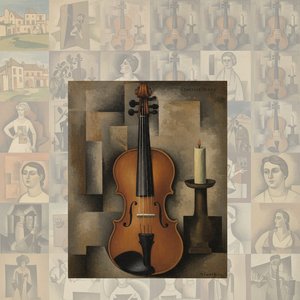
Georges Braques 25 Mesterverk: En Kunstnerisk Reise for Din Bolig
Utforsk Georges Braques 25 mest ikoniske verk! Fordyp deg i kubismens verden, fargepaletter og kunstnerisk nyskapning. Finn inspirasjon til din bolig med museumskvalitets reproduksjoner på AllPaintingsStore.com.

The Enduring Legacy of Oil on Canvas: Technique, History & Aesthetic Impact
Explore the rich history & techniques of oil painting – from Renaissance masters to Impressionism. Discover pigments, layering methods, and why this timeless medium endures. Expert insights for artists & art enthusiasts.

Georges Seurat: Topp 25 Maler – Impresjonisme og Punktillismens Mesterverk | AllPaintingsStore.no
Utforsk Georges Seurats 25 mest ikoniske malerier! Oppdag historien bak punktillismen, impresjonismen og mesterverk som 'Et søndagsettermiddag på La Grande Jatte'. Finn kunsttrykk av høy kvalitet for ditt hjem på AllPaintingsStore.com.

