

 Forhåndsvisning
 Send
Send Del
Del
 Vis detaljer
 Utskriftsvennlig guide

 Last ned bilde
 Liknende objekter
 Røntgenundersøkelse
 Lysbildefremvisning
 Q&A
Q&A Statistikk
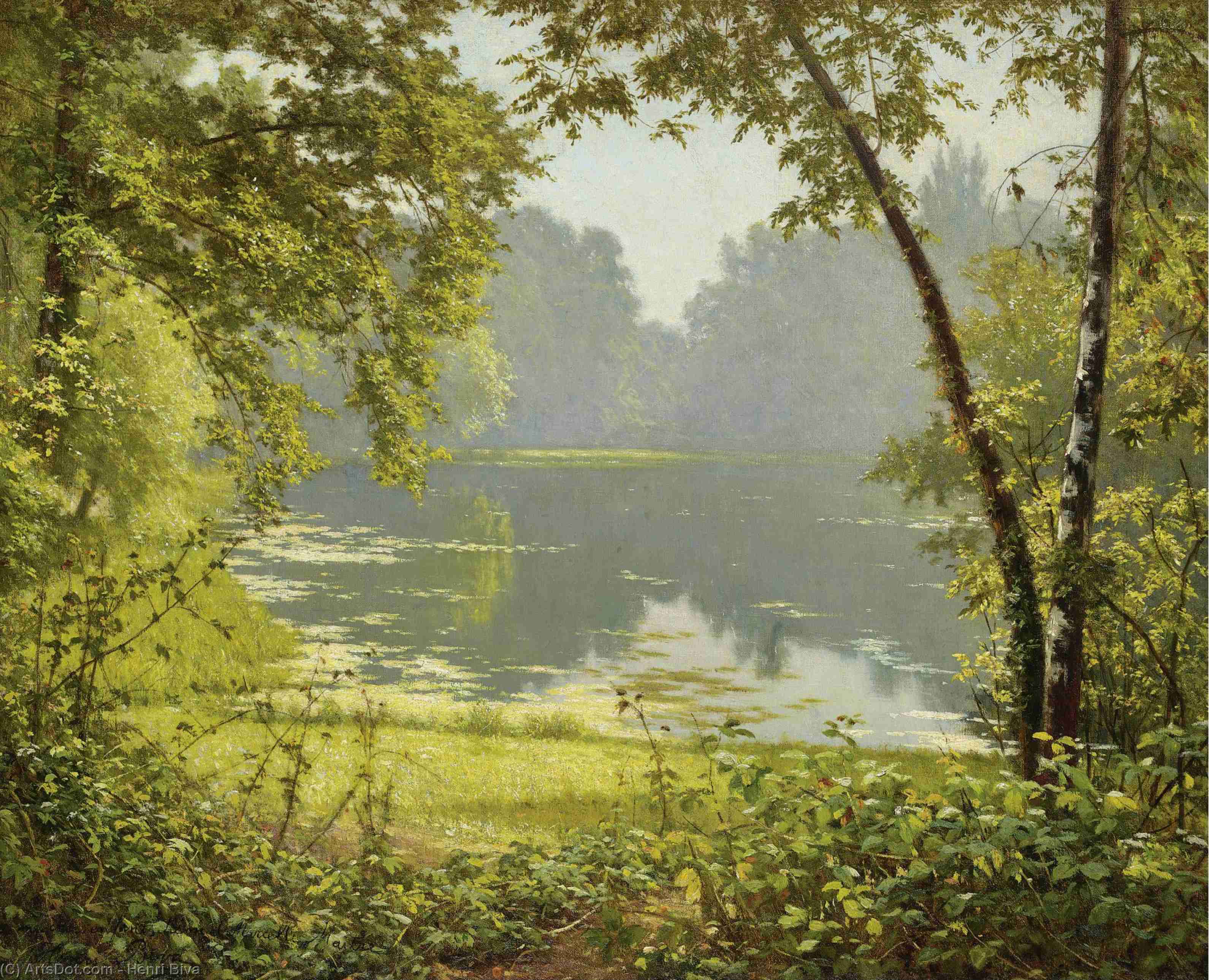
Tranquility
 Vis hele teksten
Giclée / Kunsttrykk
Giclée- eller lerretsprint av museumskvalitet med rask produksjon og fleksible valgmuligheter for etterbehandling. ( Kjøp håndmalt maleri Bytt til digitalt bilde)




































Velg mellom våre forhåndsdefinerte størrelser som bevarer kunstverkets opprinnelige proporsjoner.

Skriv inn ønsket bredde og høyde for å tilpasse trykket til din ramme eller vegg. Et trykk kan kun beskjæres, aldri skaleres opp utover motivets opprinnelige størrelse, noe som betyr at et format med andre proporsjoner vil føre til tap av deler av bildet. Vi sender deg en digital mockup for godkjenning før vi starter trykkeprosessen. Bildet som vises på denne siden viser ikke den faktiske beskjæringen — det er kun mockuppen som viser dette.
Verdensomspennende levering () på 2 uker i stedet for standard 4/5 uker. (2 November)

Gratis ekspressfrakt over hele verden

Lerretsduk av lin av høy kvalitet

Full transportforsikring

Garanti for refusjon av toll og importavgifter

Garantert fargegjengivelse

100 dagers returrett ved fabrikasjonsfeil

100% pengene tilbake-garanti

Rabatt ved flere kjøp
 Glassalternativet er kun tilgjengelig i størrelser under 110 cm

Tranquility
Giclée / Kunsttrykk
Størrelse på reproduksjon
-


Totalpris for valgte alternativer
Nkr 616
Lignende kunstverk


Om kunstneren
The Luminous Legacy of Henri Biva
Born amidst the vibrant, bohemian pulse of Montmartre in January 1848, Henri Biva emerged as a master of the French landscape, a painter whose brush captured the very soul of the Parisian countryside. Growing up in an environment steeped in artistic tradition, Biva was destined for the canvas; his creative lineage was furthered by his brother, Paul Biva, and later by his son, Lucien Biva. His early years in Paris provided more than just a backdrop; they offered a profound connection to the natural world that would become the cornerstone of his oeuvre. As he matured, Biva developed a singular ability to bridge the gap between the meticulous precision of Realism and the emotive, light-drenched spontaneity of Impressionism, creating works that feel both timelessly grounded and ethereally fleeting.
The technical foundation of Biva’s artistry was forged in the prestigious halls of the École des Beaux-Arts and the rigorous Académie Julian. Under the watchful eyes of masters such as Léon Tanzi and Alexandre Nozal, he learned to navigate the delicate balance between academic discipline and the burgeoning avant-garde movements of his era. His studies with legendary figures like William-Adolphe Bouguereau and Jules Joseph Lefebvre instilled in him a respect for form and structure, yet it was his devotion to the plein air tradition that truly liberated his style. By stepping out of the studio and into the western suburbs of Paris, Biva began to experiment with the interplay of shadow and sun, learning to translate the warmth of a summer afternoon or the quiet stillness of a backwater into a language of pure color and intricate brushwork.
A Mastery of Light and Nature
Biva’s work is often celebrated for its profound Naturalist sentiment, characterized by an almost tactile intimacy with his subjects. He possessed a rare, unparalleled skill in capturing the ephemeral magic of the seasons, particularly the way light dances across a garden or settles upon a tranquil pond. His compositions frequently invite the viewer into a serene, idealized version of the French landscape—places where sunlight feels tangible and the atmosphere is heavy with the scent of summer blooms. This mastery was not merely about visual accuracy but about emotional resonance; through his use of a pure, vibrant palette, he could evoke a sense of peace and nostalgia that transcends the mere depiction of scenery.
Beyond his sweeping landscapes, Biva also demonstrated a remarkable talent for still life painting. In these works, the same attention to light and texture found in his outdoors scenes is applied to the intimate details of the natural world—the velvety petal of a chrysanthemum or the rustic charm of a wicker basket. This versatility allowed him to command respect across different genres, proving that his true subject was not just the landscape itself, but the very essence of light as it interacts with all forms of life.
Recognition and Historical Significance
The trajectory of Biva’s career was marked by significant professional triumphs that cemented his status within the French art establishment. His frequent exhibitions at the Salon des Artistes Français garnered critical acclaim, leading to a series of prestigious accolades that reflected his rising importance in the late 19th and early 20th centuries:
- Medal Honors: He was awarded a third-class medal in 1895, followed by a second-class medal in 1896, and a bronze medal in 1900.
- Knighthood: In recognition of his immense contribution to French culture, he was bestowed the title of Chevalier de la Légion d'honneur.
- Societal Standing: His membership in the Société des Artistes Français placed him among the elite circle of painters defining the era.
Today, Henri Biva remains a significant figure for collectors and historians alike. He stands as a vital link in the evolution of French painting, representing a period where the rigid boundaries of academic tradition began to dissolve into the luminous freedom of modernism. His ability to harmonize the structural integrity of Realism with the atmospheric brilliance of Post-Impressionism ensures that his landscapes continue to offer a window into a beautifully captured, sun-drenched past.

Henri Biva
1848 - 1929 , France
Kort om kunstneren
- Full Name: Henri Biva
- Nationality: French
- Date Of Birth: 1848
- Date Of Death: 1929
- Place Of Birth: Paris, France
- Notable Artworks:
- Woodland Interior
- Forest in the spring
- Artistic Movement Or Style: Post-Impressionism & Realism
- Artists Who Influenced This Artist:
- Léon Tanzi
- Alexandre Nozál
- Artists Or Movements Influenced By This Artist: ['Romanticism']