


 Forhåndsvisning
 Send
Send Del med andre
 Vis detaljer

 Last ned bildet
 Liknende objekter
 Røntgenundersøkelse
 Lysbildefremvisning
A Battle


 Vis hele teksten
Håndlaget oljereproduksjon
Håndmalt olje på lerret i din valgte størrelse og ramme, laget på bestilling av våre kunstnere. ( Kjøp trykk Kjøp bilde)




































Velg mellom våre forhåndsdefinerte størrelser som bevarer kunstverkets opprinnelige proporsjoner.

Du kan angi egne mål for å tilpasse en spesifikk ramme eller plass. Dersom den valgte størrelsen ikke samsvarer med originalbildets proporsjoner, vil vi enten beskjære kunstverket eller utvide maleriet med ytterligere håndmalte elementer. En digital mockup vil bli sendt til din godkjenning før produksjonen starter.
Vennligst merk at forhåndsvisningen på skjermen ikke gjenspeiler den faktiske beskjæringen eller utvidelsen. Kun mockuppen vil vise den endelige komposisjonen nøyaktig.
Selv om tilpassede størrelser er tilgjengelige, anbefaler vi å velge et mål fra den forhåndsdefinerte listen for å bevare de originale proporsjonene.
Etter bestilling vil AllPaintingsStore.com-teamet sende e-post til kunden for instruksjoner og sende et utkast (mockup) som forhåndsvisning.
Verdensomspennende levering () på 3–4 uker i stedet for standard 5 uker. (22 August). Ingen kompromisser med kvaliteten.

Gratis ekspressfrakt over hele verden

Lerretsduk av høykvalitets lin

Full forsikring under transport

Garanti for refusjon av toll og importavgifter

Garantert korrekt fargegjengivelse

60 dagers returrett (kun ved feil)

100% pengene tilbake-garanti

Rabatt ved flere kjøp
 Glassalternativet er kun tilgjengelig i størrelser under 110 cm

A Battle
Teknikk for reproduksjon
Størrelse på reproduksjon
-


Endelig pris
$ 258
Lignende kunstverk


Om kunstneren
Jan van Huchtenburgh: A Master of Equestrian and Battlefield Drama
Jan van Huchtenburgh (1647 – 1733) stands as a pivotal figure in Dutch Baroque painting, celebrated primarily for his dynamic depictions of cavalry battles and equestrian portraits—genres that captured the spirit of an era defined by military ambition and aristocratic patronage. While biographical details remain somewhat elusive due to inconsistencies across historical sources, notably Arnold Houbraken’s account, scholars agree on his formative years in Haarlem and his subsequent relocation to Paris, where he honed his artistic skills amidst a vibrant intellectual milieu.Early Life and Artistic Training
Born in Haarlem around 1647, Jan van Huchtenburgh's early life was marked by familial hardship following the untimely death of his father. Recognizing his son’s talent for drawing—a skill nurtured under the tutelage of Thomas Wijck—Houbraken recounts that Jacob van Huchtenburg, his elder brother, encouraged him to pursue artistic endeavors. This sibling bond proved crucial, fostering a collaborative spirit that would characterize their careers and solidify their reputation as twin talents within Haarlem’s artistic community. Nicolaes Pieterszoon Berchem served as another influential mentor, guiding Jan's initial stylistic explorations toward the expressive realism championed by Berchem himself.Italian Influences and Parisian Engagement
In 1662, Jacob ventured to Rome, immersing himself in the artistic fervor of the papal court and absorbing the humanist ideals prevalent at the time. Shortly thereafter, Jan followed suit, embarking on a similar pilgrimage to Italy—a journey that profoundly impacted his artistic sensibilities. The encounter with Italian masters like Caravaggio undoubtedly instilled in him an appreciation for dramatic chiaroscuro and psychological depth—techniques he would skillfully integrate into his own compositions. During his stay in Paris, Jan collaborated closely with Antony Francis van der Meulen at the Manufactory of Gobelins, undertaking commissions that demanded meticulous detail and technical virtuosity. This period cemented his reputation as a craftsman capable of capturing movement and emotion with unparalleled precision.Haarlem Workshop and Artistic Style
Returning to Haarlem in 1670, Jan established a workshop alongside Elisabeth Mommes—a partnership that ensured the continuation of his artistic legacy and fostered a thriving environment for aspiring artists. His style evolved into an astute imitation of Willem Wouwerman and Antony van der Meulen, reflecting the prevailing trends within Dutch art during this period. He excelled at portraying horses in motion—capturing their musculature and expressive gestures with remarkable accuracy—and skillfully rendered scenes of battlefield engagements, conveying both the grandeur and brutality of warfare. Notably, he assisted Gerrit Berckheyde in depicting royal portraits and equestrian subjects, demonstrating his versatility as a painter and collaborator.Notable Commissions and Legacy
Jan van Huchtenburgh’s artistic achievements garnered considerable acclaim from influential figures such as Prince Eugene of Savoy and King William III—who commissioned him to depict pivotal moments in their military campaigns. These commissions underscored his ability to translate historical narratives into compelling visual representations, securing his place among the most celebrated artists of his time. His works are housed in prestigious institutions like the Museum Smidt Van Gelder in Antwerp and the Staatliche Museen zu Berlin, ensuring that his artistic legacy continues to inspire admiration and scholarly study. Jan van Huchtenburgh’s contribution to Dutch Baroque painting remains unsurpassed—a testament to his mastery of technique and his profound understanding of human emotion within the context of dramatic historical events.
jan van huchtenburgh
1647 - 1733
Kort om kunstneren
- Artistic Movement Or Style: Baroque
- Artists Or Movements Influenced By This Artist:
- Wouwerman
- Van der Meulen
- Artists Who Influenced This Artist:
- Nicolaes Pieterszoon Berchem
- Thomas Wijck
- Date Of Birth: 1647
- Date Of Death: 1733
- Full Name: Jan van Huchtenburgh
- Nationality: Dutch
- Notable Artworks:
- Landscape with Soldiers
- A Battle
- Battle Scene from the Wars of the Ottoman Empire in Europe
- Place Of Birth: Haarlem, Netherlands
Relaterte artikler
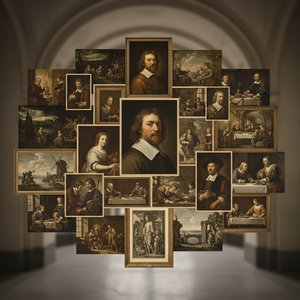
Rembrandts Mesterverk: Topp 25 Kunstverk for Din Vegg | AllPaintingsStore.no
Utforsk Rembrandts 25 mest ikoniske kunstverk! Oppdag historiene bak mestermalerier, portretter og bibelske scener fra den nederlandske barokken. Finn museumskvalitets reproduksjoner & interiørinspirasjon på AllPaintingsStore.com.

Decoding Baroque Grandeur: A Guide to the Drama and Emotion of 17th-Century Art
Explore the breathtaking drama of 17th-century Baroque art. Our expert guide decodes the use of chiaroscuro, emotional intensity, and historical grandeur to help you appreciate and curate timeless masterpieces for your collection.

Baroque Classicism: The Grandeur of Order and Drama in 17th-Century Art History
Explore the profound elegance of Baroque Classicism. Discover how 17th-century masters synthesized dramatic emotion with classical order through the lens of the Counter-Reformation and the works of legends like Carlo Maratta and Andrea Sacchi.

1600-tallets Mesterverk: Topp 10 Kunstverk som Definerer Epoken | AllPaintingsStore
Oppdag 1600-tallets største kunstmesterverk! Rembrandt, Vermeer & Caravaggio – lær historiene bak ikoniske barokkmalerier. Finn inspirasjon til interiørdesign og kjøp museumskvalitets reproduksjoner på AllPaintingsStore.com. Utforsk samlingen online!
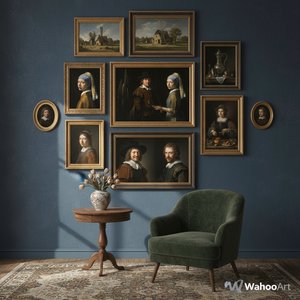
De 10 Mesterverkene Som Definerte Nederlandsk Barokk – Kunst og Inspirasjon | AllPaintingsStore.no
Oppdag de 10 ikoniske mesterverkene som definerte nederlandsk barokk! Rembrandt, Vermeer og mer – lær historien bak kunsten og finn inspirasjon til ditt hjem. Museumskvalitet reproduksjoner på AllPaintingsStore.no. Utforsk samlingen online!


