


 Forhåndsvisning
 Send
Send Del
Del
 Vis detaljer
 Utskriftsvennlig guide

 Last ned bilde
 Liknende objekter
 Røntgenundersøkelse
 Lysbildefremvisning
 Q&A
Q&A Statistikk
Diana


 Vis hele teksten
Giclée / Kunsttrykk
Giclée- eller lerretsprint av museumskvalitet med rask produksjon og fleksible valgmuligheter for etterbehandling. ( Kjøp håndmalt maleri Bytt til digitalt bilde)




































Velg mellom våre forhåndsdefinerte størrelser som bevarer kunstverkets opprinnelige proporsjoner.

Skriv inn ønsket bredde og høyde for å tilpasse trykket til din ramme eller vegg. Et trykk kan kun beskjæres, aldri skaleres opp utover motivets opprinnelige størrelse, noe som betyr at et format med andre proporsjoner vil føre til tap av deler av bildet. Vi sender deg en digital mockup for godkjenning før vi starter trykkeprosessen. Bildet som vises på denne siden viser ikke den faktiske beskjæringen — det er kun mockuppen som viser dette.
Verdensomspennende levering () på 2 uker i stedet for standard 4/5 uker. (2 November)

Gratis ekspressfrakt over hele verden

Lerretsduk av lin av høy kvalitet

Full transportforsikring

Garanti for refusjon av toll og importavgifter

Garantert fargegjengivelse

100 dagers returrett ved fabrikasjonsfeil

100% pengene tilbake-garanti

Rabatt ved flere kjøp
 Glassalternativet er kun tilgjengelig i størrelser under 110 cm

Diana
Giclée / Kunsttrykk
Størrelse på reproduksjon
-


Totalpris for valgte alternativer
Nkr 616
Lignende kunstverk


Om kunstneren
A Sculptor of the Enlightenment
Jean-Antoine Houdon, born in Versailles in 1741, stands as a pivotal figure bridging the Rococo and Neoclassical eras—a sculptor whose work embodies the intellectual fervor and evolving aesthetic sensibilities of the eighteenth century. His life unfolded amidst dramatic shifts in French society, from the waning opulence of the monarchy through the revolutionary upheaval and Napoleonic ascendance. Yet, Houdon remained remarkably consistent in his artistic vision: to capture not merely a likeness, but the very essence of his subjects—their intellect, character, and inner lives—in enduring marble and bronze. This dedication stemmed from an early aptitude for sculpture, nurtured by formal training at the Académie Royale de Peinture et de Sculpture beginning in 1752 under esteemed sculptors like René-Michel Slodtz, Jean-Baptiste Lemoyne, and Jean-Baptiste Pigalle. His subsequent enrollment at the École Royale des Élèves Protégés from 1761 to 1764 solidified his foundation, culminating in a triumphant win of the Prix de Rome competition in 1761—an award that granted him invaluable study time with classical art firsthand in Italy, an experience profoundly shaping his aesthetic sensibilities.The Art of Verisimilitude and Psychological Insight
Houdon’s sculptures are immediately recognizable for their breathtaking realism and meticulous attention to detail. He wasn't content with simply replicating physical features; he sought to penetrate the surface, revealing the personality and intellect within. This commitment to verisimilitude arose from a deep fascination with anatomy—evident in his celebrated *Muscleman Sideview* bronze sculpture—and an unwavering dedication to observation. Unlike many contemporaries who idealized their subjects, Houdon embraced imperfections, believing they contributed to a more truthful and compelling portrayal. He employed innovative techniques, including taking casts directly from life, allowing him to capture remarkable nuance and subtlety that distinguished his work from its rivals. This approach was particularly evident in his portrait busts, which became his signature achievement. These weren’t merely static representations; they were dynamic studies of character, imbued with psychological depth and emotional resonance. Houdon's ability to convey not just *how* someone looked, but *who* they were—their virtues, their passions, their anxieties—placed him among history’s greatest portrait sculptors. He achieved this through subtle nuances in expression, posture, and the rendering of details like the eyes—often carved with a slight concavity to capture the play of light and suggest inner thought. This meticulous attention to detail ensured that his sculptures served as windows into the souls of their subjects, capturing not just appearance but also spirit.Immortalizing an Era: A Pantheon of Enlightenment Figures
The breadth of Houdon’s clientele reads as a veritable who's who of the Enlightenment. He immortalized some of the most influential thinkers, writers, politicians, and leaders of his time—individuals who championed reason, liberty, and progress during a period of profound intellectual transformation. His terracotta portrait of Denis Diderot captures the philosopher’s intellectual intensity and unconventional spirit with remarkable sensitivity, reflecting his unwavering belief in the power of knowledge to illuminate human experience. Benjamin Franklin, portrayed during his diplomatic mission to France, appears as a man of wisdom and pragmatism, his gaze both shrewd and benevolent—a testament to Houdon's ability to convey not only intellect but also moral character. Jean-Jacques Rousseau, sculpted with characteristic empathy, embodies both the passion and melancholy that defined his philosophy—a poignant portrayal capturing the complexities of human emotion. Perhaps most famously, Houdon sculpted Voltaire—creating multiple versions of the celebrated writer, including a dynamic seated figure for the Comédie-Française that captures his wit and intellectual energy. This masterful depiction exemplifies Houdon’s skill in conveying both intellect and personality simultaneously. Beyond these intellectual giants, Houdon also received commissions from royalty, notably Louis XVI, and rising political figures like Napoleon Bonaparte—demonstrating his prestige within French society during a time of significant upheaval.Influences and Artistic Development
Houdon's artistic journey began amidst the opulent Rococo style prevalent in Paris at the time of his birth, but he quickly absorbed the lessons of the Baroque masters—particularly Bernini—during his formative years in Rome. This exposure to antiquity profoundly shaped his aesthetic sensibilities, inspiring him to embrace classical ideals of beauty and proportion while simultaneously retaining a distinctive artistic voice. He honed his skills under the tutelage of influential sculptors like Slodtz, Lemoyne, and Pigalle, mastering techniques that would become hallmarks of his style—most notably the innovative method of drilling the pupils of his sculptures’ eyes to intensify their gaze and create an illusion of life-like expression. Houdon's meticulous anatomical studies—evident in *Muscleman Sideview*—underscored his commitment to realism and informed his sculptural practice throughout his career. He skillfully blended classical influences with Baroque dynamism, resulting in a unique artistic style that distinguished him from his contemporaries. His unwavering dedication to observation and experimentation ensured that he remained at the forefront of sculptural innovation for decades.Legacy and Enduring Influence
Jean-Antoine Houdon’s impact on the world of sculpture is undeniable. He elevated portraiture to an art form capable of profound psychological insight and historical documentation—a feat rarely achieved by his peers. His sculptures remain highly valued today, not only for their artistic merit but also for the invaluable glimpses they provide into the lives and times of the Enlightenment era. Houdon’s ability to capture the essence of his subjects—their intellect, character, and inner life—established him as one of history's greatest portrait sculptors, securing his place in art history and inspiring countless artists who followed. His legacy continues to resonate through generations of sculptors, demonstrating the enduring power of artistic excellence to transcend time and captivate audiences worldwide. Houdon’s work serves as a powerful reminder of the importance of truthfulness, detail, and psychological understanding—qualities that continue to define his place among the titans of sculpture.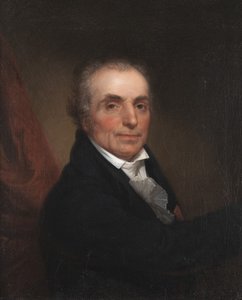
Jean-Antoine Houdon
1741 - 1828 , Frankrike
Kort om kunstneren
- Artistic Movement Or Style: Neoklassisk Realisme
- Artists Or Movements Influenced By This Artist: ['Canova']
- Artists Who Influenced This Artist:
- Michel Ange Slodtz
- René-Michel Lemoyne
- Jean-Baptiste Pigalle
- Bernini
- Date Of Birth: 1741
- Full Name: Jean-Antoine Houdon
- Nationality: Fransk
- Notable Artworks:
- George Washington statue
- Voltaire
- Place Of Birth: Versailles, France


