


 Forhåndsvisning
 Send
Send Del med andre
 Vis detaljer
 Veiledning

 Last ned bildet
 Liknende objekter
 Røntgenundersøkelse
 Lysbildefremvisning
 Statistikk
Daydreaming at the Fountain


 Vis hele teksten
Håndlaget oljereproduksjon
Håndmalt olje på lerret i din valgte størrelse og ramme, laget på bestilling av våre kunstnere. ( Bytt til trykk Bytt til digitalt bilde)




P118B $10

P118H $10

P118W $10

P438Z $10

P508JH $12

P508YH $12

P805H $10

P805Z $10

P919BZ $10

P919G $10

P919XJ $10

P959ZH $10

P968JZ $12

W106C $8

W218G $10

W218JH $8

W218Y $10

W307PJ $10

W316G $10

W316PJ $8

W316Y $10

W398PJ $8

W4111J $10

W500HY $15

W500JH $15

W692G $12

W849H $8

W940BG $15

W953PJ $8




Velg mellom våre forhåndsdefinerte størrelser som bevarer kunstverkets opprinnelige proporsjoner.

Du kan angi egne mål for å tilpasse en spesifikk ramme eller plass. Dersom den valgte størrelsen ikke samsvarer med originalbildets proporsjoner, vil vi enten beskjære kunstverket eller utvide maleriet med ytterligere håndmalte elementer. En digital mockup vil bli sendt til din godkjenning før produksjonen starter.
Vennligst merk at forhåndsvisningen på skjermen ikke gjenspeiler den faktiske beskjæringen eller utvidelsen. Kun mockuppen vil vise den endelige komposisjonen nøyaktig.
Selv om tilpassede størrelser er tilgjengelige, anbefaler vi å velge et mål fra den forhåndsdefinerte listen for å bevare de originale proporsjonene.
Etter bestilling vil AllPaintingsStore.com-teamet sende e-post til kunden for instruksjoner og sende et utkast (mockup) som forhåndsvisning.
Verdensomspennende levering () på 3–4 uker i stedet for standard 5 uker. (21 September). Ingen kompromisser med kvaliteten.

Gratis ekspressfrakt over hele verden

Lerretsduk av høykvalitets lin

Full forsikring under transport

Garanti for refusjon av toll og importavgifter

Garantert korrekt fargegjengivelse

100 dagers returrett (kun ved mangler)

100% pengene tilbake-garanti

Rabatt ved flere kjøp
 Glassalternativet er kun tilgjengelig i størrelser under 110 cm

Daydreaming at the Fountain
Teknikk for reproduksjon
Størrelse på reproduksjon
-


Endelig pris
$ 258
A Moment of Serene Reflection – The Essence of Corot
Jean-Baptiste-Camille Corot’s “Daydreaming at the Fountain,” painted in 1860, is more than just a depiction of a picturesque scene; it's an embodiment of the Barbizon school’s philosophy—a profound reverence for nature and a dedication to capturing its fleeting beauty. Born into a Parisian family with connections to the fashion world, Corot’s early life was profoundly shaped by his time spent in the countryside near L’Isle-Adam, fostering a deep connection with light, atmosphere, and the quiet rhythms of rural existence. This experience is palpably present in “Daydreaming at the Fountain,” where the artist masterfully translates this intimate knowledge onto the canvas.
The painting immediately draws the viewer into a world of tranquil contemplation. A young woman stands before a modest fountain, her posture suggesting a state of profound absorption. Her simple attire – a yellow skirt and green top – provides a subtle yet effective contrast against the muted tones of the landscape, directing our attention to her solitary presence. The composition is deliberately uncluttered, allowing Corot’s masterful use of light and shadow to take center stage. The scene isn't dramatic; it’s profoundly quiet, inviting us to share in her moment of peaceful reflection.
Technique and the Barbizon Style
Corot’s technique is characterized by a loose, almost impressionistic approach, though predating the full flowering of Impressionism. He employed broad, visible brushstrokes, prioritizing the *effect* of light over meticulous detail. The paint itself appears to shimmer with reflected sunlight, creating an illusion of depth and atmosphere that is remarkably convincing. He built up layers of color – predominantly earth tones punctuated by the vibrant yellow and green – using thin glazes to achieve a luminous quality. This layering technique, combined with his understanding of aerial perspective, creates a sense of immense space, drawing the viewer’s eye into the heart of the scene.
Unlike earlier academic styles that emphasized idealized forms and dramatic narratives, Corot focused on representing nature as it *actually* appeared – weathered, imperfect, and imbued with a quiet dignity. This commitment to realism, coupled with his sensitivity to light and atmosphere, established him as a pivotal figure in the Barbizon school, influencing generations of landscape painters.
Symbolism and Emotional Resonance
The woman’s pose is key to understanding the painting's deeper meaning. Lost in contemplation beside the fountain, she embodies the Romantic ideal of the solitary artist seeking solace and inspiration in nature. The fountain itself – a recurring motif in Corot’s work – symbolizes renewal, purity, and the flow of time. Her daydreaming suggests an escape from the pressures of daily life, inviting us to contemplate our own inner worlds.
Beyond its literal representation, “Daydreaming at the Fountain” evokes a powerful sense of nostalgia and tranquility. It’s a painting that speaks to our innate desire for peace and quiet, reminding us of the restorative power of nature. The subtle details – the bowl near the fountain, the vase adding an element of domesticity – subtly enhance this feeling, creating a scene both familiar and profoundly moving.
A Legacy of Beauty: Ownership and Appreciation
Created in 1860, “Daydreaming at the Fountain” stands as a testament to Corot’s enduring legacy. Reproductions, such as those available through AllPaintingsStore.com, allow art lovers worldwide to experience the beauty and serenity of this masterpiece. Owning a reproduction is not simply acquiring an image; it's gaining access to a moment of timeless contemplation – a connection with one of France’s most influential landscape painters.
Lignende kunstverk


Om kunstneren
A Life Immersed in Light and Landscape
Jean-Baptiste-Camille Corot, a name that resonates with the tranquil beauty of 19th-century French landscape painting, was born into a comfortable Parisian bourgeois family on July 16, 1796. Though initially steered towards a commercial path, destiny – and perhaps an innate artistic sensibility – intervened. His early years were marked by an unconventional upbringing; entrusted to the care of a nurse in the countryside near L’Isle-Adam until age four, he developed a profound connection with nature that would indelibly shape his artistic vision. This initial immersion in rural tranquility stood in stark contrast to the bustling city life awaiting him, yet it laid the foundation for a lifelong pursuit of capturing the ephemeral qualities of light and atmosphere. His parents, successful milliners, provided financial stability, allowing Corot the freedom to explore his burgeoning passion for painting after an unsuccessful attempt at mercantile pursuits – a rare privilege for aspiring artists of that era. This support was crucial, enabling him to dedicate himself fully to artistic training without the immediate pressures of earning a livelihood.From Academic Foundations to Plein-Air Innovation
Corot’s formal artistic education began with studies under Achille Etna Michallon and later Jean-Victor Bertin, both esteemed landscape painters steeped in the neoclassical tradition. This grounding instilled in him a meticulous approach to composition and form, emphasizing clarity and structure. However, Corot wasn't content merely replicating established styles; he yearned for something more authentic, a way to convey not just *what* he saw, but *how* it felt to be immersed within the landscape. A pivotal moment arrived with his first journey to Italy in 1825. The Roman Campagna, bathed in golden light and steeped in history, ignited his imagination. He spent years sketching and painting en plein air – directly from nature – a practice that was still relatively uncommon at the time. This dedication to direct observation allowed him to capture the subtle nuances of light and shadow, the delicate atmospheric effects that would become hallmarks of his style. He wasn’t simply recording topographical details; he was striving to evoke a mood, a feeling of tranquility and harmony. His early Italian works demonstrate a clarity of form and bright palette influenced by classical ideals, yet already hint at the softer, more evocative approach that would define his mature style. He meticulously studied the masters, copying their work in the Roman galleries, but always filtered these lessons through his own increasingly sensitive perception of nature.A Bridge Between Traditions
Corot’s artistic development wasn't linear; it was a delicate balancing act between tradition and innovation. He exhibited regularly at the Paris Salon, initially gaining recognition for works rooted in neoclassical conventions. However, as he continued to explore plein-air painting, his style began to evolve. He moved away from highly finished, detailed compositions towards looser brushwork and a more muted palette. This shift wasn't a rejection of academic principles entirely; rather, it was an attempt to infuse them with the immediacy and emotional resonance of direct observation. He became a master of tonalism, using subtle variations in value to create depth and atmosphere. His landscapes weren’t about dramatic narratives or grand gestures; they were about quiet contemplation, the beauty of everyday scenes – a forest glade, a sun-dappled meadow, a tranquil riverbank. This approach resonated with a growing audience seeking respite from the rapid industrialization and social upheaval of 19th-century France. He skillfully blended elements of realism with an almost poetic sensibility, creating landscapes that felt both familiar and deeply personal. He wasn’t interested in grand pronouncements or political statements; his art was about finding beauty in the ordinary, elevating the commonplace to a realm of serene contemplation.Legacy and Enduring Influence
Jean-Baptiste-Camille Corot’s influence on subsequent generations of artists is immeasurable. He served as a crucial link between the neoclassical tradition and the emerging Impressionist movement. Artists like Monet, Pissarro, and Sisley deeply admired his ability to capture the fleeting effects of light and atmosphere, and they built upon his innovations in their own groundbreaking work. Corot’s emphasis on direct observation and plein-air painting paved the way for the Impressionists' radical departure from studio-based practices. However, Corot wasn’t simply a precursor to Impressionism; he was a unique and significant artist in his own right. His vast output – encompassing landscapes, portraits, and figure studies – continues to captivate audiences with its serene beauty and emotional depth. His works can be found in major museums around the world, including the Musée des Beaux-Arts in Dunkirk and the Musée Courbet in Ornans, France, as well as the National Gallery in London and the Metropolitan Museum of Art in New York. He died on February 22, 1875, leaving behind a legacy that continues to inspire artists and art lovers alike – a testament to the enduring power of light, landscape, and quiet contemplation. The Repose, Interrupted Reading, and Agostina remain iconic examples of his mastery, showcasing his ability to capture both the physical world and the inner life of his subjects with remarkable sensitivity and grace. His influence extends beyond painting; he fostered a spirit of artistic freedom and encouraged younger artists to find their own voice, solidifying his place as a pivotal figure in the history of art.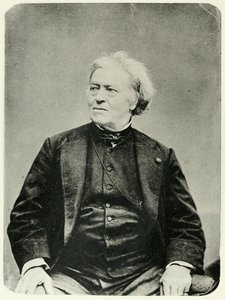
Jean-Baptiste-Camille Corot
1796 - 1875 , Frankrike
Kort om kunstneren
- Artistic Movement Or Style: Realisme, Impressjonisme
- Artists Or Movements Influenced By This Artist:
- Monet
- Pissarro
- Sisley
- Artists Who Influenced This Artist:
- Michallon
- Bertin
- Date Of Birth: 16. juli 1796
- Date Of Death: 22. februar 1875
- Full Name: Jean-Baptiste-Camille Corot
- Nationality: Fransk
- Notable Artworks:
- The Repose
- Interrupted Reading
- Agostina
- Place Of Birth: Paris, Frankrike
Relaterte artikler

Evocations of Place: A Historical Journey Through Landscape Art
Explore the rich history of landscape art with AllPaintingsStore. Discover renowned artists, movements like Impressionism & tonalism, and expert guidance for collecting timeless pieces. Find your perfect serene escape today!

Master of Light: Exploring the Timeless Landscapes and Atmospheric Brilliance of Jean-Baptiste-Camille Corot
Discover the ethereal beauty of Jean-Baptiste-Camille Corot. Explore how this master of light bridged Neoclassicism and Impressionism through his atmospheric landscapes, capturing the timeless essence of the French countryside with unparalleled poetic brilliance.

Evocations of Place: A Historical Journey Through Landscape Art
Explore the rich history of landscape art with AllPaintingsStore. Discover renowned artists, movements like Impressionism & Romanticism, and expert guidance for collecting timeless pieces. Find your perfect serene escape today!

Jean-Baptiste-Camille Corot: A Poetic Realism – Bridging the Barbizon School and Early Impressionism
Explore the life & art of Camille Corot, a pivotal figure bridging the Barbizon School & Impressionism. Discover his poetic realism, signature style, and lasting influence on landscape painting. Learn more at AllPaintingsStore.
Paul Cézannes 25 Mesterverk: En Kunstnerisk Reise for Ditt Hjem
Utforsk Paul Cézannes 25 mest ikoniske malerier! Oppdag historien bak impresjonismens mesterverk, fra stilleben til landskap. Finn kunsttrykk av høy kvalitet og interiørinspirasjon på AllPaintingsStore.com.


