


 Se i rommet
 Del som digitalt kort
 Del
Del
 Detaljer
 Studentguide

 Last ned
 Liknende objekter
 Røntgen
 Lysbildefremvisning
 Besøksstatistikk
Study for 'Double Square'
 1992
1992 36.0 x 71.0 cm
 Chelsea College of Art
 Les mer
Kunstverket som vises på denne siden er beskyttet av opphavsretten, noe som betyr at vi ikke har juridisk tillatelse til å lage eller selge identiske reproduksjoner. Denne beskyttelsen håndheves i henhold til internasjonale avtaler som for eksempel Bernerkonvensjonen og av nasjonale lover, inkludert de som er fastsatt i Amerikansk opphavsrettslov – Tittel 17.
Denne metoden er i fullt samsvar med opphavsrettslige regler, da den ikke innebærer kopiering eller duplisering av det beskyttede kunstverket. I stedet er det snakk om en kreativ nytolkning – et nytt maleri som er inspirert av originalen, men ikke identisk med den.
Giclée / Kunsttrykk
Giclée- eller lerretsprint av museumskvalitet med rask produksjon og fleksible valgmuligheter for etterbehandling. ( Bestill håndmalt reproduksjon Gå til digitalt bilde)




































Velg mellom våre forhåndsdefinerte størrelser som bevarer kunstverkets opprinnelige proporsjoner.

Skriv inn bredden og høyden du trenger, slik at den passer til din ramme eller vegg. Et trykk kan kun beskjæres, aldri gjøres større enn bildet, så et format med en annen form vil miste en del av motivet. Vi sender deg en digital mockup for godkjenning før vi trykker noe som helst. Bildet som vises på denne siden viser ikke den faktiske beskjæringen — det er kun mockuppen som gjør det.
Verdensomspennende levering () på 2 uker i stedet for standard 4/5 uker. (27 October)

Gratis ekspressfrakt over hele verden

Lerretsduk av høykvalitets lin

Full transportforsikring

Garanti for refusjon av toll og importavgifter

Garantert fargeekthet

100 dagers returrett ved fabrikasjonsfeil

100% pengene tilbake-garanti

Mengderabatt
 Glassalternativet er kun tilgjengelig i størrelser under 110 cm

Study for 'Double Square'
Giclée / Kunsttrykk
Format på reproduksjon
-


Totalpris
Nkr 610
Relaterte kunstverk


Kunstnerbiografi
Jean Spencer: Bridging Mathematics and Emotion in Abstract Sculpture
Jean Spencer (1942-1998) remains a singular voice within the British Systems Group, an influential collective that championed abstraction as a vehicle for exploring fundamental concepts of geometry and perception. Born in Liverpool, Spencer’s artistic journey began with a fascination for both mathematics – specifically topology – and a deep sensitivity to visual form, a combination that would define her distinctive style and propel her to prominence on the international art scene.- Early Influences: Spencer's formative years were marked by exposure to Bauhaus principles and Constructivist aesthetics, particularly through the work of artists like Josef Albers and László Moholy-Nagy. These influences instilled in her a belief that artistic expression could be rigorously structured yet simultaneously imbued with emotional resonance.
- Systems Group Formation: In 1963, Spencer joined Systems Group alongside fellow sculptors John Moores and Peter Smithson, establishing a studio in Birkenhead. This collaborative endeavor fostered an environment of intellectual exchange and experimentation, where participants wrestled with challenging questions about representation and materiality.
Sculptural Exploration: Topology and Relief Forms
Spencer’s sculptural output centered on exploring topological concepts – specifically Klein bottles and Möbius strips – translating abstract mathematical ideas into tangible three-dimensional forms. Her sculptures eschewed traditional figurative approaches, prioritizing geometric precision alongside textural surfaces that invited tactile engagement. She meticulously crafted reliefs from materials like bronze and limestone, manipulating their contours to create mesmerizing patterns and illusions of movement. The resulting pieces are characterized by a remarkable balance between intellectual rigor and sensual beauty.- Notable Works: Among Spencer’s most celebrated sculptures include “The Spiral” (1968), a monumental bronze spiral that embodies the Group's fascination with recursive patterns, and “Continuum” (1970), a limestone relief depicting intersecting planes that captures the essence of topological transformation.
- Technique: Spencer’s sculptural technique involved painstaking carving and polishing processes, demanding considerable skill and patience. She employed sophisticated tools to achieve exceptional surface finishes, highlighting the interplay between light and shadow and enhancing the sculptures' visual impact.
Recognition and Legacy
Spencer’s work gained international acclaim through exhibitions at institutions such as Tate Modern and the John Moores University Art Gallery. Her inclusion in the 1968 John Moores Exhibition solidified her position as a leading figure in British abstract art, demonstrating the enduring relevance of Systems Group's conceptual framework.- Critical Acclaim: Critics lauded Spencer’s sculptures for their intellectual depth and aesthetic sophistication, praising her ability to synthesize mathematical precision with expressive visual language. Her oeuvre continues to inspire artists and scholars alike, serving as a testament to the transformative potential of interdisciplinary collaboration.
- Continuing Influence: Spencer's exploration of topology and relief forms has resonated across generations of sculptors, influencing contemporary artists who seek to grapple with complex geometric concepts while maintaining an emotional connection to their art.
Concluding Thoughts
Jean Spencer’s artistic legacy extends beyond her individual sculptures; it resides in the enduring spirit of Systems Group's commitment to pushing boundaries and redefining artistic conventions. Her work stands as a powerful reminder that profound beauty can emerge from rigorous intellectual inquiry, demonstrating the transformative power of merging mathematics and emotion into a singular creative vision.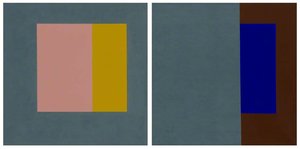
Jean Spencer
1942 - 1998
Kort om kunstneren
- Full Name: Jean Spencer
- Nationality: British
- Date Of Birth: 1942
- Date Of Death: 1998
- Artistic Movement Or Style: Systems Group abstraction

