


 Forhåndsvisning
 Send
Send Del
Del
 Vis detaljer
 Utskriftsvennlig guide

 Last ned bilde
 Liknende objekter
 Røntgenundersøkelse
 Lysbildefremvisning
 Q&A
Q&A Statistikk
Painting


 Vis hele teksten
Kunstverket som vises på denne siden er beskyttet av opphavsretten, noe som betyr at vi ikke har juridisk tillatelse til å lage eller selge identiske reproduksjoner. Denne beskyttelsen håndheves i henhold til internasjonale avtaler som for eksempel Bernerkonvensjonen og av nasjonale lover, inkludert de som er fastsatt i Amerikansk lov om opphavsrett – Tittel 17.
Denne metoden er i fullt samsvar med opphavsrettslige regler, da den ikke innebærer kopiering eller duplisering av det beskyttede kunstverket. I stedet er det snakk om en kreativ nytolkning – et nytt maleri som er inspirert av originalen, men ikke identisk med den.
Giclée / Kunsttrykk
Giclée- eller lerretsprint av museumskvalitet med rask produksjon og fleksible valgmuligheter for etterbehandling. ( Kjøp håndmalt maleri Bytt til digitalt bilde)




P118B Nkr10

P118H Nkr10

P118W Nkr10

P438Z Nkr10

P508JH Nkr12

P508YH Nkr12

P805H Nkr10

P805Z Nkr10

P919BZ Nkr10

P919G Nkr10

P919XJ Nkr10

P959ZH Nkr10

P968JZ Nkr12

W106C Nkr8

W218G Nkr10

W218JH Nkr8

W218Y Nkr10

W307PJ Nkr10

W316G Nkr10

W316PJ Nkr8

W316Y Nkr10

W398PJ Nkr8

W4111J Nkr10

W500HY Nkr15

W500JH Nkr15

W692G Nkr12

W849H Nkr8

W940BG Nkr15

W953PJ Nkr8




Velg mellom våre forhåndsdefinerte størrelser som bevarer kunstverkets opprinnelige proporsjoner.

Skriv inn ønsket bredde og høyde for å tilpasse trykket til din ramme eller vegg. Et trykk kan kun beskjæres, aldri skaleres opp utover motivets opprinnelige størrelse, noe som betyr at et format med andre proporsjoner vil føre til tap av deler av bildet. Vi sender deg en digital mockup for godkjenning før vi starter trykkeprosessen. Bildet som vises på denne siden viser ikke den faktiske beskjæringen — det er kun mockuppen som viser dette.
Verdensomspennende levering () på 2 uker i stedet for standard 4/5 uker. (29 October)

Gratis ekspressfrakt over hele verden

Lerretsduk av lin av høy kvalitet

Full transportforsikring

Garanti for refusjon av toll og importavgifter

Garantert fargegjengivelse

100 dagers returrett ved fabrikasjonsfeil

100% pengene tilbake-garanti

Rabatt ved flere kjøp
 Glassalternativet er kun tilgjengelig i størrelser under 110 cm

Painting
Giclée / Kunsttrykk
Størrelse på reproduksjon
-


Totalpris for valgte alternativer
Nkr 614
A Surrealist Dreamscape: Joan Miró’s ‘Painting’ (1936)
Joan Miró's 1936 painting, often simply titled “Painting,” is not merely a visual representation; it’s an immersion into the artist’s intensely personal and profoundly evocative inner world. This work, brimming with symbolic richness and executed in his signature biomorphic style, captures a fleeting moment of dreamlike logic—a testament to Miró's lifelong exploration of subconscious imagery and Catalan identity. The painting immediately draws the eye to its central figure: a dog adorned with a cross on its head, a potent symbol that speaks volumes about faith, mortality, and perhaps even the artist’s own conflicted relationship with tradition.
Miró’s technique is instantly recognizable—a joyous explosion of color applied in loose, gestural strokes. He eschewed precise representation, favoring instead an intuitive approach where forms emerge organically from the canvas. The application of paint feels almost spontaneous, as if the images were simply liberated from his imagination. This process reflects a deliberate rejection of academic art conventions and a commitment to expressing raw emotion directly through visual language. Notice how the colors themselves—the vibrant reds, blues, yellows, and greens—don’t adhere to realistic expectations; they are imbued with feeling, contributing significantly to the painting's overall atmosphere.
Decoding the Symbols: A Journey into Miró’s Psyche
The seemingly random elements within “Painting” – the bird soaring in the upper right corner, the clock hinting at time’s passage, the bowl and cup suggesting nourishment or ritual – are carefully orchestrated symbols. The dog with the cross is particularly compelling; it's a complex emblem that can be interpreted on multiple levels. Some scholars suggest it represents Miró himself, burdened by his artistic responsibilities yet driven forward by an unwavering creative impulse. The cross could also allude to religious themes, reflecting the artist’s Catalan heritage and perhaps a questioning of established dogma. The bird, frequently appearing in Miró's work, often symbolizes freedom, aspiration, or even the soul taking flight.
The presence of the person in the background, partially obscured, adds another layer of intrigue. This figure is not clearly defined, inviting speculation about their role within the scene – are they a witness to this surreal encounter? A participant in Miró’s dreamscape? Or perhaps simply an element of the artist's own fragmented memory? Miró deliberately leaves these questions unanswered, encouraging viewers to actively engage with the painting and construct their own interpretations.
Historical Context: Barcelona in Transition
Created in 1936, “Painting” emerges from a period of immense social and political upheaval in Spain. The country was grappling with the rise of fascism and the impending Spanish Civil War. Miró’s work during this time often reflected these anxieties, yet he consistently maintained an underlying sense of optimism and resilience. Barcelona, his birthplace and lifelong home, served as both inspiration and a backdrop for his art. The city's unique architectural landscape – particularly the fantastical creations of Antoni Gaudí – undoubtedly influenced Miró’s distinctive visual style, characterized by organic forms and playful asymmetry.
Emotional Resonance: A Window into the Soul
“Painting” is not simply a decorative piece; it’s an emotionally charged work that invites contemplation. The dreamlike quality of the scene, combined with its vibrant colors and symbolic imagery, creates a powerful sense of mystery and intrigue. It's a painting that speaks to our own subconscious desires and anxieties, reminding us of the power of imagination and the beauty of embracing the unexpected. A reproduction of this piece offers a unique opportunity to bring this captivating vision into your home, allowing its surreal charm and symbolic depth to enrich your space and spark conversation.
Spørsmål og svar
Kan man se en lysbildefremvisning av "Painting" av Joan Miró?
Du kan se diaporamabildet av "Painting" på verkets Bildekarusell-side.
Hvor kan jeg se en forhåndsvisning av "Painting"?
En forhåndsvisning av "Painting" av Joan Miró er tilgjengelig på kunstverkets Se kunstverket i et rom-side.
Er "Painting" av Joan Miró et lyst eller mørkt kunstverk?
Alt i alt er "Painting" registrert som balanced. Oppfattet lysstyrke beskriver hvor lyst eller mørkt verket fremstår.
Lignende kunstverk


Om kunstneren
A Catalan Visionary: The Life and Art of Joan Miró
Joan Miró i Ferrà, født i Barcelona i 1893, står som en av de mest betydningsfulle figurerna inom konstnärligheten på 1900-talet. Hans resa var inte bara en utveckling genom stilar utan en utforskning av inre världar, översättning av drömmar, minnen och katalansk identitet till duken med ett unikt poetiskt visuellt språk. Från enkla början markerade av sjukdom och första föräldrarnas reservationer inför hans konstnärliga strävanden, kämpade Miró igenom, drivs av en inneboende behov att uttrycka det intangibla – känslorna, sinnena och undermedvetna strömmarna som ligger under ytan av verkligheten. Hans tidiga liv var präglat av katalansk kultur och konsthistoria, särskilt genom Antoni Gaudís arkitektoniska mästerverk och inspiration från den katalanska landsbygden. Hans fars yrke som guldsmed utvecklade en uppskattning för noggrann hantverksskicklighet, vilket senare skulle påverka hans konstnärliga stil.Early Influences and the Path to Surrealism
Miró började sin formella konstnärliga utbildning vid La Llotja i Barcelona där han finslipade sina färdigheter inom traditionella tekniker. Dock var det mötet med avantgardistiska rörelser som svepte genom Paris och särskilt Pablo Picasso som verkligen tänt hans kreativa utveckling. Fauvismens livfulla färger och Kubisms fragmenterade former resonerade djupt och uppmanade honom att flytta till Paris 1920. Detta första möte med konstvärlden förändrade Mirós konstnärliga perspektiv och öppnade upp för nya influenser från andra stora konstnärer som Cézanne och Van Gogh. Han sökte efter sätt att skapa verk som var både visuellt imponerande och psykologiskt djupa, vilket ledde honom till Surrealistgruppen 1924 där han samarbetade med Max Ernst och Salvador Dalí. Mirós konstverk är inte bara tekniskt briljant utan också fylld av symbolik och drömmar – ett försök att fånga essensen av människans psyke och utforska det undermedvetna. Han var särskilt fascinerad av idéerna om automatisk skrivning och fri fantasi som utvecklades inom Surrealismen under påverkan av Sigmund Freud.The Language of Symbols: Key Works and Artistic Innovations
Mirós konstnärliga stil utvecklades genom åren och präglades av ett unikt visuellt språk där abstrakta former och färger möttes för att skapa världar av drömmar och fantasi. Hans tidigaste verk, som The Farm (1922) och serien *Dutch Interiors (1928)* visar hur Miró omvandlade klassiska motiv till surrealistiska bilder genom att använda tekniker som *grattage* där färger skrapades av duken för att avslöja texturer. Detta innovativa arbetssätt återspeglar hans vilja att bryta mot konstens konventionella regler och utforska nya möjligheter till självuttryck. Han använde ofta symboliska bilder och färger för att förmedla känslor och idéer utan att nödvändigtvis använda realistiska detaljer. Hans verk är ett exempel på hur konst kan vara både estetiskt tillfredsställande och psykologiskt betydelsefullt – ett sätt att utforska människans innersta värld och skapa bilder som väcker frågor om verklighet och illusion. Han var också en pionjär inom keramiken och skulpturen där han använde olika tekniker för att skapa komplexa och ofta abstrakta verk.Legacy and Enduring Influence
Joan Miró lämnade ett stort avtryck på konsthistorien och inspirerade efterföljande generationer av konstnärer. Hans konstverk är inte bara tekniskt imponerande utan också fylld av djup psykologisk betydelse och utforskning av människans undermedvetna. Han var en viktig figur inom Surrealiströrelsen och bidrog till att skapa ett nytt konstnärligt språk som utmanade konventionella idéer om skönhet och verklighet. Hans verk fortsätter att fascinera publiken över hela världen och är ett exempel på hur konst kan vara både självständigt och engagerat i samhällsdiskussioner. Mirós konstverk är en viktig del av katalansk kulturhistoria och konstnärlig arvskultur och hans verk kommer alltid att vara ett vittnesmål om människans kreativitet och förmåga till självuttryck. Han är en konstnär som fortsätter att inspirera oss idag och uppmuntrar oss att utforska världen av drömmar och fantasi genom konstens språk.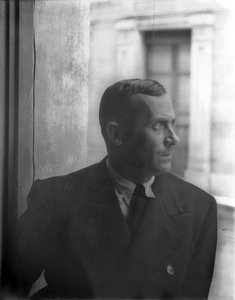
Joan Miró
1893 - 1983 , Spania
Kort om kunstneren
- Artistic Movement Or Style: Surrealisme og Abstrakt Kunst
- Artists Who Influenced This Artist:
- Pablo Picasso
- Salvador Dalí
- Date Of Birth: 1893
- Date Of Death: 1983
- Full Name: Joan Miró i Ferrà
- Nationality: Spansk
- Notable Artworks:
- La Poetessa
- Hus med palmetre
- Maleri
- Place Of Birth: Barcelona, Spain
Relaterte artikler

Crimson Threads of Narrative: Exploring Symbolism & Representation in Artworks Featuring the Red Dress
Explore the rich symbolism of the red dress in art history! From ancient power displays to iconic portraits like Cézanne’s 'Madame Cezanne', discover the cultural and artistic significance behind this captivating color. Expert analysis & insights.

Surrealismens 10 Mesterverk: Kunst som utfordrer virkeligheten – AllPaintingsStore.com
Utforsk surrealismens 10 mest ikoniske mesterverk – Dalí, Magritte & mer! Lær historien bak disse drømmende verkene og finn kunst som inspirerer. Museumskvalitet reproduksjoner på AllPaintingsStore.com.

Surrealismens 10 Mesterverk: Kunst som utfordrer virkeligheten – AllPaintingsStore.no
Utforsk surrealismens 10 mest ikoniske malerier! Oppdag Salvador Dalí, René Magritte og andre mestere. Lær om drømmekunst, teknikker & historien bak disse tidløse verkene. Finn museumskvalitets kunsttrykk for ditt hjem på AllPaintingsStore.com.

Surrealismens 10 Mesterverk: Kunst som utfordrer virkeligheten – AllPaintingsStore.no
Utforsk surrealismens 10 mest ikoniske malerier – Dalí, Magritte & mer! Oppdag historiene bak mesterverkene og finn kunsttrykk til ditt hjem. Eksklusive reproduksjoner på AllPaintingsStore.no.
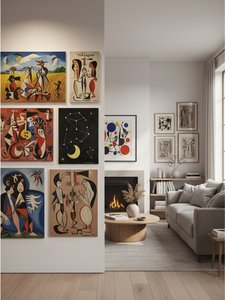
Joan Mirós 25 Mesterverk: En Kunstnerisk Reise for Ditt Hjem | AllPaintingsStore.no
Utforsk Joan Mirós 25 mest ikoniske malerier! Oppdag historien bak surrealistisk kunst, fargerike komposisjoner og katalansk inspirasjon. Finn din perfekte veggkunst hos AllPaintingsStore.no – museumskvalitet for ditt hjem.


