- Forsiden

- Reproduksjon av oljemaleri
- Kazimir Malevich
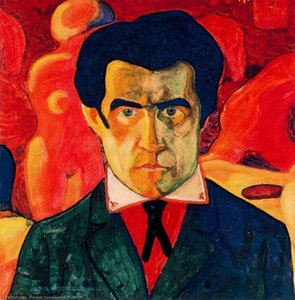
- Self-Portrait

 Bestill trykk Kjøp digitalt bilde
 Send
Send
 Del med andre
 Vis detaljer
 Legg til i favoritter

 Last ned bildet
 Liknende objekter
 Røntgenundersøkelse
 Lysbildefremvisning
Self-Portrait
 Akryl på papir
- Annet
- Fauvism
 1910
1910- Moderne kunst
 27.0 x 26.0 cm
 Vis hele teksten
Håndlaget oljereproduksjon
Håndmalt olje på lerret i din valgte størrelse og ramme, laget på bestilling av våre kunstnere.




































Velg mellom våre forhåndsdefinerte størrelser som bevarer kunstverkets opprinnelige proporsjoner.

Du kan angi egne mål for å tilpasse en spesifikk ramme eller plass. Dersom den valgte størrelsen ikke samsvarer med originalbildets proporsjoner, vil vi enten beskjære kunstverket eller utvide maleriet med ytterligere håndmalte elementer. En digital mockup vil bli sendt til din godkjenning før produksjonen starter.
Vennligst merk at forhåndsvisningen på skjermen ikke gjenspeiler den faktiske beskjæringen eller utvidelsen. Kun mockuppen vil vise den endelige komposisjonen nøyaktig.
Selv om tilpassede størrelser er tilgjengelige, anbefaler vi å velge et mål fra den forhåndsdefinerte listen for å bevare de originale proporsjonene.
Etter bestilling vil AllPaintingsStore.com-teamet sende e-post til kunden for instruksjoner og sende et utkast (mockup) som forhåndsvisning.
Verdensomspennende levering () på 3–4 uker i stedet for standard 5 uker. (16 July). Ingen kompromisser med kvaliteten.

Gratis ekspressfrakt over hele verden

Lerretsduk av høykvalitets lin

Full forsikring under transport

Garanti for refusjon av toll og importavgifter

Garantert korrekt fargegjengivelse

60 dagers returrett (kun ved feil)

100% pengene tilbake-garanti

Rabatt ved flere kjøp
 Glassalternativet er kun tilgjengelig i størrelser under 110 cm

Self-Portrait
Teknikk for reproduksjon
Størrelse på reproduksjon
-


Endelig pris
-
Beskrivelse av kunstverket
A Bold Statement of Form and Feeling
Kazimir Malevich's 1910 “Self-Portrait” is not merely a depiction of an individual; it’s a declaration. Painted in gouache on paper, this work stands as a pivotal example of the Fauvist movement – a radical departure from the naturalistic traditions that had dominated Western art for centuries. More than just a portrait, it's a concentrated distillation of color and form, a visual embodiment of Malevich’s burgeoning exploration of pure feeling and abstraction. The painting immediately commands attention with its vibrant palette: a striking red tie dominates the composition, juxtaposed against a background that seems to dissolve into an energetic swirl of blues and greens. This isn’t a realistic rendering; it's an emotional landscape rendered in pigment.
The Fauvist Impulse
Born from a reaction against Impressionism’s focus on capturing fleeting moments of light, Fauvism embraced the deliberate distortion of color for expressive effect. Artists like Henri Matisse and André Derain used intense hues – often divorced from naturalistic representation – to evoke moods and sensations directly. Malevich's “Self-Portrait” perfectly embodies this principle. The bold red isn’t simply a description of his tie; it’s a conduit for energy, confidence, or perhaps even defiance. The artist deliberately avoids subtle gradations, opting instead for flat areas of color that vibrate with intensity. This technique creates a sense of immediacy and raw emotion, pulling the viewer directly into the painting's core.
A Study in Geometric Simplicity
While firmly rooted in Fauvism, Malevich’s work is already hinting at his later development of Suprematism – an even more radical movement that sought to eliminate all representational elements from art. Notice the simplification of form within the portrait itself; the face is rendered with broad strokes and minimal detail, prioritizing the overall composition over a precise likeness. The background, too, is reduced to dynamic shapes and colors, suggesting movement and energy rather than a specific location. This deliberate reduction reflects Malevich’s belief that art should transcend the limitations of the visible world and tap into a realm of pure feeling and spirituality – a concept central to Suprematism.
Context within Post-Impressionism
To understand “Self-Portrait,” it's crucial to situate it within the broader context of Post-Impressionism. This movement, spanning from roughly 1886 to 1905, represented a diverse range of artistic approaches that reacted against Impressionism’s emphasis on capturing light and color. Artists like Paul Cézanne, Vincent van Gogh, and Paul Gauguin explored subjective experience, emotional intensity, and symbolic meaning in their work. Malevich's Fauvist tendencies align with this broader trend toward greater expressiveness and experimentation within the Post-Impressionist landscape. His exploration of color and form paved the way for the revolutionary developments that would characterize 20th-century art.
A Legacy of Abstraction
“Self-Portrait” is more than just a beautiful painting; it’s a foundational work in the history of modern art. It represents a crucial step toward abstraction, demonstrating Malevich's willingness to challenge conventional artistic norms and explore new ways of representing reality – or, perhaps more accurately, representing inner experience. Reproductions of this powerful image continue to resonate with viewers today, offering a glimpse into the mind of a visionary artist who fundamentally altered the course of art history. Explore high-quality reproductions on AllPaintingsStore.com for a stunning addition to your collection.


Om kunstneren
Kazimir Malevich: A Pioneer of Abstract Art
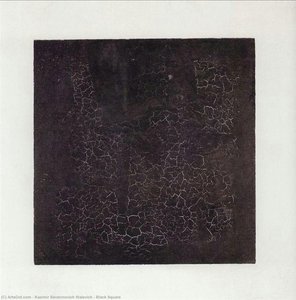
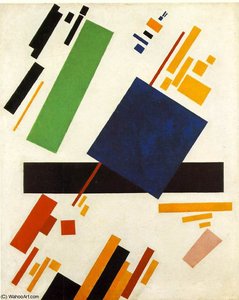
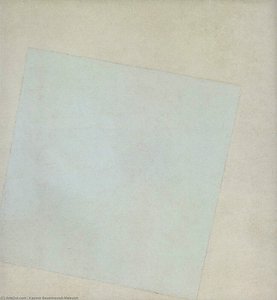
Kazimir Severinovich Malevich (1878-1935) stands as a monumental figure in the history of art, recognized globally for his groundbreaking contribution to Suprematism – an artistic movement that fundamentally reshaped perceptions of visual expression. Born in Kyiv Oblast, Ukraine, Malevich’s formative years were steeped in Ukrainian folklore and rural traditions, shaping his initial artistic sensibilities before he embarked on a transformative journey toward Moscow and engagement with the burgeoning avant-garde currents of Europe. Early Artistic Explorations: Before establishing Suprematism, Malevich honed his skills across diverse styles—Impressionism, Symbolism, Fauvism, and Cubism—demonstrating an intellectual curiosity that propelled him beyond conventional artistic boundaries. A pivotal visit to Paris in 1912 served as a catalyst, exposing him to the revolutionary ideas circulating within European art circles and solidifying his desire for innovation. He meticulously studied the works of Cézanne, Picasso, Matisse, and Kandinsky—artists who challenged traditional representation and championed expressive color palettes. The Birth of Suprematism: Around 1915, Malevich decisively rejected representational imagery altogether, initiating Suprematism – a movement predicated on “the supremacy of pure feeling” in art. Rejecting any illusionistic depiction of the external world, Suprematists prioritized fundamental geometric forms—squares, circles, and rectangles—as vehicles for conveying emotion and intellect. This radical stance stemmed from Malevich’s conviction that art should transcend subjective experience and communicate universal truths through abstract symbols. He famously declared: “Art must be disinterested.” Iconic Works & Theoretical Contributions: Malevich's oeuvre cemented his legacy with masterpieces like *Black Square* (1915), arguably the most influential painting of the era, which embodies the movement’s core tenets—simplicity, geometric purity, and uncompromising conceptual rigor. Similarly, *White on White* (1918) – a series exploring the essence of form and color—became synonymous with Suprematism's quest for absolute abstraction. Beyond his visual creations, Malevich penned seminal treatises on art theory, articulating the philosophical underpinnings of Suprematism and advocating for an artistic consciousness liberated from illusionistic conventions. His writings profoundly impacted subsequent generations of artists and thinkers alike. Political Context & Later Career: The political landscape of Russia during Malevich’s lifetime dramatically altered his trajectory. Initially lauded as a visionary innovator by Vladimir Lenin and the Bolshevik government, he faced increasing scrutiny and repression under Stalin—a period marked by censorship and artistic persecution. Despite these challenges, Malevich persisted in his artistic practice and teaching, striving to synthesize his abstract principles with figurative representations while maintaining unwavering fidelity to his core aesthetic convictions. Legacy & Enduring Influence: Kazimir Malevich’s impact on 20th-century art remains undeniable. His uncompromising pursuit of pure abstraction paved the way for movements like Minimalism and Constructivism—influencing artists globally who embraced geometric forms and conceptual rigor as tools for artistic expression. He stands as a testament to the transformative power of artistic vision and continues to inspire contemplation about the fundamental nature of visual language, securing his place among the most significant figures in modern art history.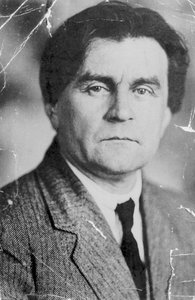
Kazimir Malevich
1878 - 1935 , Ukraina
Kort om kunstneren
- Artistic Movement Or Style: Suprematisme, Abstrakt kunst
- Artists Or Movements Influenced By This Artist:
- Minimalisme
- Konstruktivisme
- El Lissitzky
- Artists Who Influenced This Artist:
- Impressionisme
- Fauvisme
- Cubisme
- Date Of Birth: 1878
- Date Of Death: 1935
- Full Name: Kazimir Severinovich Malevich
- Nationality: Ukrainsk/Russisk
- Notable Artworks:
- Svart sirkel
- Komposisjon
- White on White
- Place Of Birth: Kyiv, Ukraina
Relaterte artikler

Geometrisk Abstraksjon: Topp 10 Mesterverk for Kunstelskere – AllPaintingsStore.com
Utforsk de 10 mest innflytelsesrike verkene innen geometrisk abstraksjon! Oppdag historiene bak Mondrian, Kandinsky og Malevich. Finn inspirasjon til interiøret med AllPaintingsStore.coms eksklusive reproduksjoner – museumskvalitet for ditt hjem. Utforsk samlingen online!

Kazimir Malevich' Top 25 Kunstverk: En Suprematistisk Reise for Din Vegg
Oppdag Kazimir Malevich' 25 mest ikoniske kunstverk! Fordyp deg i Suprematismens verden, fra det banebrytende 'Svart Kvadrat' til subtile fargepaletter. Finn din perfekte maleri reproduksjon og interiørinspirasjon på AllPaintingsStore.com.

Selvets Resonans: Å utforske de psykologiske og estetiske dimensjonene ved personlige kunstbestillinger
Utforsk den psykologiske og estetiske dybden i personlige kunstbestillinger. Få ekspertråd, skreddersydde verk og håndmalt kvalitet fra AllPaintingsStore. Skap et unikt uttrykk for ditt hjem eller kontor.

The Gilded Age Revisited: Art Deco's Modernity & Luxury
Explore the captivating world of Art Deco paintings & the Gilded Age's enduring legacy. Discover iconic artists like Tamara de Lempicka & invest in museum-quality reproductions with AllPaintingsStore.
Henri Matisse' Mesterverk: Topp 25 Kunstverk for Din Vegg – AllPaintingsStore.no
Utforsk 25 ikoniske malerier av Henri Matisse! Oppdag historien bak fauvismens fargerike mesterverk, fra 'The Dance' til 'Red Studio'. Finn kunsttrykk og reproduksjoner i museumskvalitet for din interiørdesign på AllPaintingsStore.com.