


 Forhåndsvisning
 Send
Send Del
Del
 Vis detaljer
 Utskriftsvennlig guide

 Last ned bilde
 Liknende objekter
 Røntgenundersøkelse
 Lysbildefremvisning
 Spørsmål og svar
 Statistikk
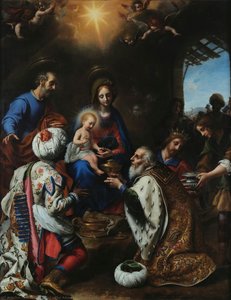
Circumcision

- 95.0 x 73.0 cm


 Vis hele teksten
Giclée / Kunsttrykk
Giclée- eller lerretsprint av museumskvalitet med rask produksjon og fleksible valgmuligheter for etterbehandling. ( Kjøp håndmalt maleri Bytt til digitalt bilde)




P118B Nkr10

P118H Nkr10

P118W Nkr10

P438Z Nkr10

P508JH Nkr12

P508YH Nkr12

P805H Nkr10

P805Z Nkr10

P919BZ Nkr10

P919G Nkr10

P919XJ Nkr10

P959ZH Nkr10

P968JZ Nkr12

W106C Nkr8

W218G Nkr10

W218JH Nkr8

W218Y Nkr10

W307PJ Nkr10

W316G Nkr10

W316PJ Nkr8

W316Y Nkr10

W398PJ Nkr8

W4111J Nkr10

W500HY Nkr15

W500JH Nkr15

W692G Nkr12

W849H Nkr8

W940BG Nkr15

W953PJ Nkr8




Velg mellom våre forhåndsdefinerte størrelser som bevarer kunstverkets opprinnelige proporsjoner.

Skriv inn ønsket bredde og høyde for å tilpasse trykket til din ramme eller vegg. Et trykk kan kun beskjæres, aldri skaleres opp utover motivets opprinnelige størrelse, noe som betyr at et format med andre proporsjoner vil føre til tap av deler av bildet. Vi sender deg en digital mockup for godkjenning før vi starter trykkeprosessen. Bildet som vises på denne siden viser ikke den faktiske beskjæringen — det er kun mockuppen som viser dette.
Verdensomspennende levering () på 2 uker i stedet for standard 4/5 uker. (3 November)

Gratis ekspressfrakt over hele verden

Lerretsduk av lin av høy kvalitet

Full transportforsikring

Garanti for refusjon av toll og importavgifter

Garantert fargegjengivelse

100 dagers returrett ved fabrikasjonsfeil

100% pengene tilbake-garanti

Rabatt ved flere kjøp
 Glassalternativet er kun tilgjengelig i størrelser under 110 cm

Circumcision
Giclée / Kunsttrykk
Størrelse på reproduksjon
-


Totalpris for valgte alternativer
Nkr 624
Luis de Carbajal: En Toledo’s Catedral – Una Voz Renovada en el Arte Religioso
Luis de Carbajal (c. 1531 – después de 1618), nacido en Toledo, España, ocupa un lugar destacado entre los pintores españoles del Renacimiento, especialmente reconocido por sus monumentales retablos catedralicios que encarnan la grandeza y fervor espiritual de la época. Aunque eclipsado por contemporáneos como El Greco—con quien compartió una formación artística temprana—Carvajal consolidó su posición en la historia del arte como figura clave en el renacer artístico de Toledo y maestro intérprete de las sensibilidades góticas adaptadas al espíritu humanista emergente. Su producción artística abarcó décadas, dejando atrás un legado impresionante que continúa inspirando admiración por su meticulosa precisión técnica y fuerza expresiva emocional. ### La Influencia Gótica Renovada: Una Herencia Medieval en el Nuevo Mundo Artístico La formación de Carbajal estuvo marcada por una profunda conexión con Toledo, ciudad impregnada de tradición religiosa y receptiva a las ideas europeas que circulaban desde Italia. Esta influencia fue particularmente notable bajo la tutela de Juan Bautista Monegro, otro escultor destacado de Toledo, quien compartió su pasión por el arte clásico y promovió un diálogo estilístico que impulsaría la visión artística de Carbajal. Este encuentro temprano con El Greco—un artista cuyo estilo manierista dominaba el panorama artístico español—fue esencial para comprender las complejidades del lenguaje visual de la época y establecer una estética que buscara trascender los límites tradicionales sin renunciar a la belleza sublime. Esta mezcla de inspiración medieval y sensibilidad renacentista es evidente en toda su obra, donde elementos como draperías estilizadas y figuras alargadas evocan la solemnidad y reverencia asociadas con el arte gótico antiguo. ### Retablos Catedralicios: Manifestaciones Monumentales de Fe Cristiana La fama de Carbajal reside principalmente en sus retablos catedralicios—un género que floreció durante el reinado Habsburgo y sirvió como vehículo poderoso para difundir narrativas teológicas. Estos impresionantes conjuntos escultóricos y pictóricos buscaban transmitir mensajes religiosos complejos con una claridad excepcional, utilizando técnicas innovadoras como el uso del óleo sobre lienzo para lograr efectos luminosos y capturar la profundidad emocional de los personajes representados. Carbajal abordó esta tarea con maestría, aplicando meticulosamente capas translúcidas de pintura para crear imágenes que parecieran iluminarse desde dentro, reflejando así la esencia misma de la fe cristiana. Como ejemplo paradigmático de este estilo artístico, el retablo dedicado a San Cosme y San Damián en la Catedral de Toledo ejemplifica la habilidad técnica del artista y su capacidad para comunicar sentimientos religiosos profundos. La composición arquitectónica del templo refuerza el mensaje espiritual transmitido por la obra, creando una experiencia estética que invita a la contemplación y al encuentro con lo divino. ### Detalles Técnicos y Simbolismo Profundo: Una Exploración de la Luz y la Forma La maestría técnica de Carbajal se manifiesta en cada pincelada, donde la precisión anatómica y el conocimiento profundo de las proporciones clásicas armonizan con una sensibilidad estética que busca expresar emociones humanas complejas. Los artistas manieristas como Carbajal eran capaces de crear obras que trascendían la mera representación visual, convirtiéndose en vehículos de reflexión filosófica y espiritual. El uso del óleo sobre lienzo permitió lograr efectos luminosos impresionantes—una característica distintiva del estilo manierista—que resaltaban las cualidades escultóricas de las figuras pintadas y contribuían a generar una atmósfera cargada de emoción. Además, Carbajal empleaba símbolos religiosos tradicionales para comunicar mensajes complejos relacionados con la doctrina cristiana y la historia de la Iglesia Católica. Estos símbolos eran cuidadosamente seleccionados y colocados en posiciones estratégicas dentro del conjunto artístico para reforzar el mensaje espiritual deseado y estimular la contemplación del espectador. ### Legado Duradero: Una Voz Renovada en el Arte Español Hoy en día, las obras maestras de Carbajal permanecen principalmente en el Museo del Prado de Madrid, donde siguen cautivando a visitantes con su belleza excepcional y profundidad emocional. Estudios recientes han iluminado la importancia de su trabajo dentro del contexto más amplio del renacer artístico español—un período marcado por una nueva apreciación de los ideales clásicos junto con una devoción constante a la fe cristiana. Carbajal sigue siendo considerado uno de los artistas más influyentes de su época, cuyo legado continúa inspirando admiración y cuyo estilo único permanece como testimonio de la capacidad humana para crear obras maestras que trascienden el tiempo y siguen resonando en el espíritu artístico contemporáneo.Spørsmål og svar
Hvordan passer "Circumcision" inn i Luis De Carbajal sin tematikk og stil?
"Circumcision" deler med Luis De Carbajals andre verk sin Baroque Revival-stil og de gjentakende temaene: religious symbolism, gothic revival, patron saint imagery, cathedral decoration, baroque tradition.
Hvilken stemning formidler Baroque Revival-verket "Circumcision"?
Den Melankolsk og ettertenksom stemningen i "Circumcision" ledsager dens Baroque Revival-stil.
Hvordan finner jeg kunstverk som ligner på "Circumcision" av Luis De Carbajal?
Verker som ligner på "Circumcision" er oppført på verkets Lignende verk-side.
Lignende kunstverk



Om kunstneren
The Radiant Legacy of Luis de Carbajal
In the heart of Toledo, a city where the echoes of medieval devotion meet the burgeoning light of the Renaissance, the life of Luis de Carbajal unfolded as a profound testament to spiritual and artistic endurance. Born around 1531, Carbajal emerged from the vibrant, intellectually charged atmosphere of Spain’s most storied religious center. While history often casts a long shadow through the ethereal mysticism of El Greco, Carbajal stands as a monumental figure in his own right—a master who bridged the gap between the soaring, structural grandeur of the Gothic tradition and the nuanced, humanistic spirit of the Spanish Renaissance. His journey was one of deep connection to the sacred, moving through the halls of cathedrals and royal monasteries, leaving behind a visual legacy that captured the very soul of an era defined by faith.
The foundations of Carbajal’s artistry were laid within the prestigious workshops of Toledo, under the guidance of masters like Juan de Villoldo. This early training provided him with a rigorous understanding of classical proportions and compositional balance, yet it was his encounter with the transformative energy of El Greco that truly ignited his creative vision. From this connection, Carbajal embraced the dramatic power of chiaroscuro, learning to manipulate light and shadow to evoke deep emotional resonance. Unlike the more otherworldly, elongated figures of his contemporary, Carbajal’s work maintained a grounded, architectural dignity. He drew inspiration from the very bones of Toledo—its ribbed arches, vaulted ceilings, and stained glass—incorporating these Gothic elements into his canvases to create spaces that felt both physically immense and spiritually intimate.
A Master of the Altarpiece and Royal Commission
Carbajal’s career was marked by an extraordinary level of productivity, with estimates suggesting he produced over 300 works during his long life. His talent earned him the prestigious distinction of being named a painter for King Philip II of Spain, a role that placed him at the epicenter of the Spanish Golden Age. His brush traveled through the most sacred corridors of the empire, from the intimate oratories of the Pardo Palace to the imposing halls of the monastery in El Escorial. One of his most significant achievements was the creation of seven large-scale canvases for the church of the Escorial in 1570, where he masterfully paired saints such as Cosme and Damián, and Cecilia and Barbara, weaving complex theological narratives into single, cohesive compositions.
His ability to command large-scale religious subjects allowed him to become a primary architect of visual devotion. His works were not merely decorations but were essential tools for the dissemination of Catholic doctrine during a period of intense religious fervor. Through his meticulous attention to detail and his ability to render the divine within a tangible, earthly framework, he achieved several notable milestones:
- Monumental Altarpieces: He specialized in massive cathedral commissions that served as the focal points for liturgical worship, embodying the grandeur of the Habsburg reign.
- Narrative Depth: His paintings, such as the Circumcision, utilized dramatic lighting to guide the viewer's eye through complex biblical stories.
- Ecclesiastical Influence: By decorating the Archbishop's chapel in Toledo and various convent cloisters, he shaped the visual identity of the Spanish Church.
Historical Significance and Enduring Spirit
The historical importance of Luis de Carbajal lies in his role as a stabilizer of tradition during a time of radical artistic change. While the art world moved toward the more distorted and emotive Mannerism, Carbajal provided a sense of continuity, anchoring the new humanist ideas within the familiar, comforting language of Gothic architecture and classical balance. He was a painter who understood that to move the heart, one must first respect the structure of the faith. His work remains a vital link in the evolution of Spanish art, representing a moment when the medieval past and the Renaissance future existed in perfect, painted harmony.
Today, the traces of his genius can still be found in the great repositories of Spanish heritage, including the Museo del Prado in Madrid. To study Carbajal is to witness the pulse of Toledo itself—a master who took the stone and light of his homeland and transformed them into an eternal dialogue between the human and the divine. His life, stretching well into the 17th century, serves as a bridge across eras, ensuring that the spiritual gravity of the Spanish Renaissance would never be forgotten.

Luis De Carbajal
1531 - 1618 , Spain
Kort om kunstneren
- Full Name: Luis de Carbajal y de la Cueva
- Nationality: Spanish
- Date Of Birth: 1531
- Date Of Death: 1618
- Place Of Birth: Toledo, Spain
- Notable Artworks: ['Circumcision']
- Artistic Movement Or Style: Religious Painting; Gothic Art Style
- Artists Who Influenced This Artist: ['Alonso Berruguete']
- Artists Or Movements Influenced By This Artist: ['El Greco']
Relaterte artikler

Divine Visions: Top 10 Masterpieces of Religious Art Through the Ages
Journey through history with 10 iconic religious masterpieces. From Renaissance legends to Baroque drama, explore the stories behind these sacred works. Find museum-quality art reproductions and curated decor inspiration. Discover all masterpieces on AllPaintingsStore.com.

Masterpieces of Light and Spirit: The Top 25 El Greco Artworks
Journey through the spiritual intensity of El Greco's greatest works. From Mannerist mastery to dramatic light, explore 25 iconic paintings and find museum-quality reproductions for your collection. Discover all masterpieces on AllPaintingsStore.com.

Divine Visions: 10 Masterpieces That Capture the Essence of Saints
Journey through history with 10 iconic paintings of saints. From Renaissance mastery to Baroque drama, explore the stories behind these timeless religious masterpieces. Find museum-quality art reproductions and curated decor inspiration. Discover all masterpieces on AllPaintingsStore.com.

25 Masterpieces by Francisco de Zurbarán: The King of Spanish Baroque
Immerse yourself in the dramatic world of Francisco de Zurbarán. Explore 25 iconic Spanish Baroque masterpieces defined by intense tenebrism and spiritual realism. Find inspiration for museum-quality art reproductions and decor. Discover all masterpieces on AllPaintingsStore.com.
