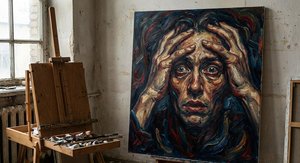
1914. Acrylic.

§ 1Katalogdata


Dette kunstverket er beskyttet av opphavsrett
Kunstverket som vises på denne siden er beskyttet av opphavsretten, noe som betyr at vi ikke har juridisk tillatelse til å lage eller selge identiske reproduksjoner. Denne beskyttelsen håndheves i henhold til internasjonale avtaler som for eksempel Bernerkonvensjonen og av nasjonale lover, inkludert de som er fastsatt i Amerikansk lov om opphavsrett – Tittel 17.
Som et respektfullt og lovlig alternativ tilbyr vi skreddersydde, håndmalte kunstverk inspirert av originalen. Våre dyktige og profesjonelle kunstnere studerer nøye originalens stil, stemning og kunstneriske essens for å skape et nytt og unikt verk som vekker den samme følelsen – samtidig som det forblir en original skapelse i seg selv.
Denne metoden er i fullt samsvar med opphavsrettslige regler, da den ikke innebærer kopiering eller duplisering av det beskyttede kunstverket. I stedet er det snakk om en kreativ nytolkning – et nytt maleri som er inspirert av originalen, men ikke identisk med den.
 Les mer om dette
§ 2Abstrakt
Beskrivelse av objektet
Marc Chagall’s mesmerizing ‘David in profile’ captures a dreamlike musical scene—a man playing the zither amidst fellow musicians and vibrant colors—reflecting his Vitebsk heritage and pioneering Expressionist style. Explore this iconic masterpiece and bring its enchanting vision home.
Om kunstneren
Opplev Marc Chagall (1887-1985), en russisk-fransk kunstner kjent for sine drømmende malerier, jødiske temaer og fantastiske glasskunstverk. Utforsk hans arv!
§ 3Kommentarer
A Symphony of Color and Memory: Exploring Marc Chagall’s “David in Profile”
The painting "David in Profile" by Marc Chagall, completed in 1914, isn't simply a depiction of a musician; it’s an embodiment of Chagall’s distinctive artistic philosophy—a profound meditation on Jewish identity and the enduring influence of folklore. Captured in vibrant hues against a backdrop reminiscent of Vitebsk, Belarus, this artwork speaks volumes about Chagall’s formative years and his unwavering commitment to translating dreams into tangible visual form.- Subject Matter: The central figure is a man seated comfortably, holding a zither—a traditional Jewish instrument—suggesting both musical artistry and contemplation. Surrounding him are other musicians and individuals engaged in social interaction, creating an atmosphere of communal celebration.
- Style: Chagall’s style is undeniably Surrealist, yet it transcends categorization. He employs flattened perspectives, distorted figures, and fantastical imagery to convey emotion rather than precise representation. This approach aligns perfectly with the artist's desire to capture not just what he sees but what he *feels*.
- Technique: Chagall predominantly utilized oil paints on canvas, applying them in thick impasto—a technique characterized by textured brushstrokes—which lends a palpable physicality to the artwork. The bold colors are applied with expressive confidence, creating an illusion of movement and capturing the luminous quality of Vitebsk’s landscapes.
Historical Context: Vitebsk and the Artistic Avant-Garde
Vitebsk in 1914 was a crossroads of cultures—a city grappling with modernization while fiercely preserving its traditions. Chagall's upbringing within Vitebsk’s Hasidic Jewish community profoundly shaped his artistic vision. The painting reflects this duality, mirroring the tensions between faith and reason that permeated European intellectual life at the time. Simultaneously, it aligns with the burgeoning Surrealist movement, spearheaded by André Breton, which sought to liberate art from rational constraints and tap into the subconscious mind. Chagall’s engagement with Vitebsk's cultural landscape served as a catalyst for his artistic experimentation.Symbolism: Flight, Harmony, and Remembrance
The painting overflows with symbolic imagery. The figures appear to float or glide effortlessly, representing liberation from earthly concerns and embodying the artist’s belief in spiritual transcendence—a recurring motif throughout Chagall's oeuvre. The zither itself symbolizes Jewish musical heritage and serves as a conduit for conveying emotion. Furthermore, the luminous colors of Vitebsk – predominantly greens and yellows – evoke memories of Chagall’s childhood home and symbolize hope and renewal.Emotional Impact: A Window into Chagall’s Soul
“David in Profile” isn't merely aesthetically pleasing; it possesses a deep emotional resonance. It captures the spirit of Vitebsk—a place brimming with life, faith, and artistic fervor—and invites viewers to contemplate themes of identity, memory, and the transformative power of imagination. Chagall’s masterful use of color and technique creates an immersive experience that transports us back to his formative years, reminding us that art can serve as a powerful vehicle for conveying profound human emotions. It's a testament to Chagall's ability to distill complex ideas into deceptively simple visual forms—a captivating glimpse into the artist’s inner world.Spørsmål og svar
Er "David in profile" av Marc Chagall i det frie domene?
Opphavsrettslig status for "David in profile" av Marc Chagall: verket er fortsatt beskyttet av opphavsretten. Dette avgjør om det er tillatt å lage frie reproduksjoner av bildet.
Hvordan relaterer stilen i "David in profile" seg til kunstnerens epoke?
"David in profile" av Marc Chagall tilhører Expressionist Surrealism-retningen, innenfor skaperens Moderne tid-epoke.
Hvilken teknikk er "David in profile" laget med?
"David in profile" av Marc Chagall er utført i Acrylic. Reproduksjonene har som mål å gjengi utseendet til denne teknikken.



 Bytt til trykk


 For kunstverk eller reproduksjoner som er større enn 105 cm (ca. 41 tommer) på noen side, vil rammen bli sendt som et sett som må monteres. Denne metoden sikrer trygg levering og forhindrer skader under transport.