


 Forhåndsvisning
 Send
Send Del med andre
 Vis detaljer

 Last ned bildet
 Liknende objekter
 Røntgenundersøkelse
 Lysbildefremvisning
Boating beneath Echo Hill


 Vis hele teksten
Giclée / Kunsttrykk
Giclée- eller lerretsprint av museumskvalitet med rask produksjon og fleksible valgmuligheter for etterbehandling. ( Kjøp håndlaget maleri Kjøp bilde)




































Velg mellom våre forhåndsdefinerte størrelser som bevarer kunstverkets opprinnelige proporsjoner.

Du kan oppgi egne mål for å tilpasse en spesifikk ramme eller et bestemt område. Dersom den valgte størrelsen ikke samsvarer med det originale bildets proporsjoner, vil vi enten beskjære kunstverket eller utvide bildet med en speilet eller ensfarget kant. En digital mockup vil bli sendt til din godkjenning før produksjonen starter.
Vennligst merk at forhåndsvisningen på skjermen ikke gjenspeiler den faktiske beskjæringen eller utvidelsen. Kun mockuppen vil vise den endelige komposisjonen nøyaktig.
Selv om tilpassede størrelser er tilgjengelige, anbefaler vi å velge et mål fra den forhåndsdefinerte listen for å bevare de originale proporsjonene.
Verdensomspennende levering () på 2 uker i stedet for standard 4/5 uker. (22 August)

Gratis ekspressfrakt over hele verden

Lerretsduk av høykvalitets lin

Full forsikring under transport

Garanti for refusjon av toll og importavgifter

Garantert korrekt fargegjengivelse

60 dagers returrett (kun ved feil)

100% pengene tilbake-garanti

Rabatt ved flere kjøp
 Glassalternativet er kun tilgjengelig i størrelser under 110 cm

Boating beneath Echo Hill
Giclée / Kunsttrykk
Størrelse på reproduksjon
-


Endelig pris
$ 64
Beskrivelse av samleobjektet
Lignende kunstverk


Om kunstneren
Mei Qing (1623–1697): Echoes of Huangshan and the Spirit of Loyalist Landscape Painting
Mei Qing, born in Xuancheng, Anhui Province around 1623, stands as a pivotal figure in late Ming and early Qing landscape painting—a testament to artistic continuity amidst turbulent political upheaval. His life’s trajectory mirrored the broader cultural currents of his time, marked by scholarly pursuits and an unwavering devotion to Daoist ideals, profoundly shaping his distinctive style and enduring legacy.- Early Life & Training: Mei Qing's upbringing instilled in him a deep appreciation for Confucian ethics and humanist philosophy—values that would permeate his artistic worldview. He received formal instruction from Wang Meng, a respected calligrapher and landscape painter who championed the Huangshan School aesthetic. This mentorship proved instrumental in honing Mei Qing’s technical skills and fostering his understanding of Daoist principles concerning harmony with nature.
- The Huangshan Influence: Mei Qing's artistic journey found its epicenter in Huangshan Mountain, a UNESCO World Heritage Site revered for its misty peaks and serene beauty. Inspired by the pioneering landscape painters Huang Gongwang (1269–1354) and Ni Zan (1306–1374), he embraced a minimalist approach characterized by angular rock formations and sparsely rendered pines—a stylistic hallmark of the Huangshan School.
- Style & Technique: Mei Qing’s distinctive style is defined by its dry brush technique, meticulously executed on satin – a medium favored by masters of the Ming dynasty. He skillfully employed subtle tonal variations to convey atmospheric depth and evoke the ethereal qualities of Huangshan's landscape. His compositions prioritized balance and tranquility, reflecting Daoist contemplation and embodying the spirit of “wu wei” (無為)—effortless action—a core concept within Chinese philosophy.
- Notable Works: Among Mei Qing’s most celebrated paintings is "Boating beneath Echo Hill," completed in 1673. This monumental scroll captures a breathtaking vista of Huangshan Mountain, rendered with remarkable precision and imbued with palpable emotion. The painting's inscription—a poem dedicated to his teacher Old Li—underscores Mei Qing’s intellectual engagement and reinforces the importance of Daoist contemplation within artistic practice.
- Historical Significance: Mei Qing’s oeuvre represents a crucial bridge between Ming and Qing artistic traditions, demonstrating resilience in the face of dynastic change. His unwavering commitment to Huangshan's aesthetic—a symbol of spiritual retreat and harmonious coexistence—served as an inspiration for subsequent generations of artists. Furthermore, his stylistic innovations contributed significantly to the development of landscape painting during the Qing era, securing his place as one of China’s most influential painters.

mei qing
1623 - 1697
Kort om kunstneren
- Artistic Movement Or Style: Huangshan School
- Artists Or Movements Influenced By This Artist:
- Huang Gongwang
- Ni Zan
- Artists Who Influenced This Artist: ['Wang Meng']
- Date Of Death: 1697
- Full Name: Mei Qing
- Nationality: Chinese
- Notable Artworks: ['Strolling in a Misty Valley']
- Place Of Birth: Xuancheng, Anhui Province
Relaterte artikler

Katsushika Hokusais 25 Mesterverk: Japansk Kunst for Ditt Hjem | AllPaintingsStore.no
Utforsk Katsushika Hokusais 25 mest ikoniske kunstverk! Oppdag historiene bak The Great Wave, ukiyo-e tresnitt og japansk estetikk. Finn museumskvalitets reproduksjoner & interiørinspirasjon på AllPaintingsStore.com.

Romantiske landskap: Topp 10 mesterverk for hjemmet – Kunst fra AllPaintingsStore.com
Oppdag de 10 mest ikoniske romantiske landskapsmaleriene! Fra Caspar David Friedrich til Turner – utforsk kunsthistorien, stemningen og fargepalettene. Finn museumskvalitets reproduksjoner på AllPaintingsStore.com.

Evocations of Place: A Historical Journey Through Landscape Art
Explore the rich history of landscape art with AllPaintingsStore. Discover renowned artists, movements like Impressionism & Romanticism, and expert guidance for collecting timeless pieces. Find your perfect serene escape today!
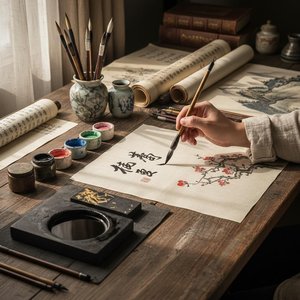
The Alchemy of Ink: Mastering the Timeless Beauty and Art History of Paper and Brush
Embark on a sophisticated exploration of ink wash painting and Sumi-e. Uncover the profound historical lineages, Zen philosophies, and technical mastery behind this timeless medium in our authoritative guide for fine art enthusiasts.
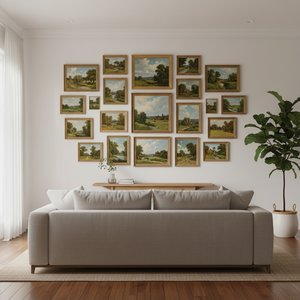
John Constable: Topp 25 Maler – Engelsk Landskapskunst i Ditt Hjem
Opplev John Constables 25 mest ikoniske malerier! Fordyp deg i engelsk romantikk, landskapskunst og atmosfæriske scener. Finn museumskvalitets reproduksjoner & interiørinspirasjon på AllPaintingsStore.com. Utforsk samlingen online!


