


 Se i rommet
 Del som digitalt kort
 Del
Del
 Detaljer
 Studentguide

 Last ned
 Liknende objekter
 Røntgen
 Lysbildefremvisning
 Besøksstatistikk
St. George and the Dragon
 Olje på treplate
- High Renaissance
 1506
1506- Renessansen
 28.0 x 21.0 cm
 Les mer
Giclée / Kunsttrykk
Giclée- eller lerretsprint av museumskvalitet med rask produksjon og fleksible valgmuligheter for etterbehandling. ( Bestill håndmalt reproduksjon Gå til digitalt bilde)




P118B Nkr10

P118H Nkr10

P118W Nkr10

P438Z Nkr10

P508JH Nkr12

P508YH Nkr12

P805H Nkr10

P805Z Nkr10

P919BZ Nkr10

P919G Nkr10

P919XJ Nkr10

P959ZH Nkr10

P968JZ Nkr12

W106C Nkr8

W218G Nkr10

W218JH Nkr8

W218Y Nkr10

W307PJ Nkr10

W316G Nkr10

W316PJ Nkr8

W316Y Nkr10

W398PJ Nkr8

W4111J Nkr10

W500HY Nkr15

W500JH Nkr15

W692G Nkr12

W849H Nkr8

W940BG Nkr15

W953PJ Nkr8




Velg mellom våre forhåndsdefinerte størrelser som bevarer kunstverkets opprinnelige proporsjoner.

Skriv inn bredden og høyden du trenger, slik at den passer til din ramme eller vegg. Et trykk kan kun beskjæres, aldri gjøres større enn bildet, så et format med en annen form vil miste en del av motivet. Vi sender deg en digital mockup for godkjenning før vi trykker noe som helst. Bildet som vises på denne siden viser ikke den faktiske beskjæringen — det er kun mockuppen som gjør det.
Verdensomspennende levering () på 2 uker i stedet for standard 4/5 uker. (25 October)

Gratis ekspressfrakt over hele verden

Lerretsduk av høykvalitets lin

Full transportforsikring

Garanti for refusjon av toll og importavgifter

Garantert fargeekthet

100 dagers returrett ved fabrikasjonsfeil

100% pengene tilbake-garanti

Mengderabatt
 Glassalternativet er kun tilgjengelig i størrelser under 110 cm

St. George and the Dragon
Giclée / Kunsttrykk
Format på reproduksjon
-


Totalpris
Nkr 608
St. George and the Dragon: A Renaissance Triumph of Heroic Idealism
The painting “St. George and the Dragon” by Raphael stands as an enduring emblem of High Renaissance artistic achievement, embodying the movement’s core principles of harmony, clarity, and profound human dignity—a testament to Raphael's unparalleled mastery of form and color. Created in 1506 during his formative years in Rome, this oil on wood panel artwork transcends mere depiction; it communicates a narrative steeped in Christian symbolism and infused with the humanist spirit that defined its era. Measuring just 28 x 21 cm, its modest size belies the monumental impact of Raphael’s vision.The Artistic Context: Leonardo, Michelangelo, and Raphael's Legacy
Raphael emerged as one of the triumvirate shaping the artistic landscape of Florence and Rome—alongside Leonardo da Vinci and Michelangelo—each pushing the boundaries of artistic innovation while upholding classical ideals. Unlike his contemporaries who often wrestled with dramatic emotion or experimental techniques, Raphael pursued a path of serene elegance, prioritizing balance and proportion to convey profound spiritual truths. His influence extended far beyond his lifetime, establishing him as a cornerstone of Neoclassical art and cementing his reputation as one of the most beloved artists in Western history. Giorgio Vasari famously lauded Raphael’s ability to “make things beautiful,” capturing the essence of his artistic philosophy—a pursuit of perfection rooted in observation and reasoned contemplation.A Narrative Embodied: The Dragon Slayer's Quest
The painting depicts St. George, mounted on horseback, confronting a fearsome dragon – a creature representing evil and pagan superstition – as he valiantly pursues its defeat. This iconic image draws upon ancient myths and legends, transforming them into a powerful allegory of Christian virtue battling darkness. Raphael skillfully utilizes perspective to create depth and dynamism within the confined space of the panel, guiding the viewer’s eye towards the central figure and emphasizing the drama unfolding before him. The dragon dominates the lower portion of the canvas, its serpentine coils conveying menace and power, while St. George, positioned on the left side, embodies courage and righteousness—his lance poised to deliver the decisive blow.Technical Brilliance: Light, Shadow, and Color Harmony
Raphael’s masterful technique exemplifies the Cinquecento Art Movement's fascination with manipulating light and shadow to achieve sculptural realism. He employs *tonal shading* – a subtle gradation of color—to sculpt the horse’s musculature and imbue St. George’s armor with palpable volume, creating an illusion of three-dimensionality that surpasses mere representation. Raphael’s palette is restrained yet vibrant, favoring warm hues like ochre and crimson to illuminate St. George's figure and convey his heroic spirit. The landscape backdrop—characterized by muted greens and blues—provides a tranquil counterpoint to the turbulent confrontation between saint and dragon, reinforcing the painting’s overarching theme of triumph over adversity.Symbolism and Emotional Resonance: A Meditation on Faith
Beyond its visual splendor, “St. George and the Dragon” resonates with profound symbolic meaning. The dragon represents temptation and evil, while St. George embodies faith, courage, and divine protection—a timeless depiction of the struggle between good and evil that continues to inspire viewers centuries later. Raphael’s composition deliberately evokes classical ideals of heroism and nobility, reflecting the humanist conviction that humans possess inherent dignity and potential for greatness. The painting's serene beauty serves as a reminder of the enduring power of faith to overcome darkness—a message conveyed with remarkable subtlety and grace by one of the greatest artists of all time.- Artist: Raphael
- Painting Title: St. George and the Dragon
- Year: 1506
- Medium: Oil on wood panel
- Size: 28 x 21 cm
- Style: High Renaissance
For a deeper understanding of the history of painting, refer to History of Painting and Western Painting on Wikipedia.
Spørsmål og svar
Hva er dateringen og stilen til "St. George and the Dragon" av Rafael?
"St. George and the Dragon" av Rafael er datert 1506 og tilhører High Renaissance.
Hvilken farge dominerer komposisjonen i "St. George and the Dragon" av Rafael?
Fargen som skiller seg mest ut i "St. George and the Dragon" er Drivvedsfarget (#997a5f). Den dominerende fargen er nyttig når man skal matche et kunstverk med et interiør.
Hvordan er fargekomposisjonen i "St. George and the Dragon" av Rafael bygget opp?
Fargeanalysen av "St. George and the Dragon" av Rafael viser en Uttalelse kontrast og en Sterk fargeharmoni harmoni.
Relaterte kunstverk


Kunstnerbiografi
Raffael Sanzio: Renessansens Mester av Harmoni og Skjønnhet
Raffaello Sanzio da Urbino, kjent for verden som Raffael, trådte frem fra et usedvanlig fruktbart kulturelt landskap. Født i 1483 innenfor murene av Urbino, en liten, men intellektuelt levende bystat i Sentral-Italia, ble hans tidlige år preget av en atmosfære som verdsatte både kunstnerisk dyktighet og humanistisk lærdom. Hans far, Giovanni Santi, var ikke bare en maler ansatt av hertug Federico da Montefeltro – han var en mann dypt engasjert i renessansens strømninger, en poet som kroniserte hertugens liv og aktivt søkte innovative kunstneriske ideer fra hele Italia og utover. Denne fordypningen i et hoffmiljø, som verdsatte raffinement og intellektuell diskurs, formet dypt den unge Raffaels følsomhet. Farens bortgang i en alder av elleve år påla ham ansvar, men ga også en mulighet til å finpusse sine ferdigheter innenfor familieverkstedet, absorbere teknikker og tradisjoner under veiledning av lokale kunstnere. Selv i disse tidlige verkene begynte en mild ynde og omhyggelig oppmerksomhet på detaljer – kjennetegn på hans modne stil – å dukke opp.
Fra Umbria til Firenze: Å Tilegne Seg Nye Innflytelser
Raffaels kunstneriske reise var en kontinuerlig evolusjon, preget av perioder med intens studie og assimilering. Hans første trening under Pietro Perugino i Perugia la et solid grunnlag for den umbriske stilen – karakterisert av myk modellering, harmoniske komposisjoner og rolige religiøse scener. Raffael besatt imidlertid en umettelig nysgjerrighet som drev ham til å søke nye utfordringer og utvide sine kunstneriske horisonter. I 1504 reiste han til Firenze, en by som pulserte med energi av kunstnerisk innovasjon. Her møtte han mesterverkene til Leonardo da Vinci og Michelangelo, kunstnere som presset grensene for maleriet på et utenkelig vis. Han studerte nøye deres teknikker – Leonardos sfumato, hans subtile graderinger av lys og skygge, og Michelangelos kraftige anatomiske presisjon og dramatiske komposisjoner. Denne florentinske perioden var en smeltedigel for Raffael, tvang ham til å konfrontere nye kunstneriske muligheter og syntetisere dem inn i sin egen unike visjon. Innflytelsen er synlig i den økte dynamikken og psykologiske dybden i hans verk fra denne tiden, spesielt i serien med Madonna-bilder.
Det Romerske Triumfen: Bestillinger og Mesterverk
I 1508 mottok Raffael en innkalling som ville endre løpet av hans karriere – en invitasjon fra pave Julius II til å komme til Roma. Dette markerte begynnelsen på hans mest produktive og feirede periode. Den evige byen ga ham en enestående mulighet til å vise frem sine talenter i stor skala, pryde de pavelige leilighetene i Vatikanet med fantastiske fresker. Skolen i Athen, kanskje hans mest berømte verk, står som et vitnesbyrd om hans mesterskap innen komposisjon, perspektiv og filosofisk allegori. Innenfor sitt majestetiske rom samlet Raffael figurer fra klassisk antikk – Platon, Aristoteles, Pythagoras, Euklid – og skapte et levende tableau som feiret menneskelig fornuft og jakten på kunnskap. Han fortsatte å arbeide for etterfølgende paver, Leo X blant dem, og påtok seg monumentale prosjekter som dekorasjonen av Stanze della Segnatura og Stanza d'Eliodoro. Freskene hans i disse rommene er ikke bare dekorative; de er dype uttalelser om pavelig makt, religiøs tro og renessansens idealer.
En Syntese av Ynde og Storhet: Raffaels Kunstneriske Stil
Raffaels kunstneriske stil beskrives ofte som en harmonisk blanding av ynde, klarhet og ideell skjønnhet. Han besatt en ekstraordinær evne til å syntetisere ulike innflytelser – den umbriske tradisjonen, florentinske innovasjoner, klassisk antikk – inn i en unikt balansert estetikk. Hans komposisjoner er omhyggelig planlagt, og viser en følelse av orden og proporsjon som gjenspeiler hans dype forståelse av renessanseprinsipper. Hans figurer utstråler verdighet og emosjonell uttrykksfullhet, legemliggjør det humanistiske idealet om menneskelig perfeksjon. Han var også en mester i fargebruk, brukte rike, lysende nyanser for å skape verk som er både visuelt fengslende og intellektuelt stimulerende. I motsetning til Michelangelos ofte dramatiske og turbulente stil, utstråler Raffaels arbeid en følelse av ro og harmoni – en kvalitet som har gjort ham elsket av publikum i århundrer.
Et Varig Arv
Raffaels for tidlige død i 1520 i en alder av trettisju år avsluttet en karriere full av potensial. Likevel består hans arv som en av de mest betydningsfulle figurene i vestlig kunsthistorie. Hans arbeid ble en hjørnestein i den høye renessansens estetikk, og tjente som en modell for generasjoner av kunstnere. Mens Michelangelos innflytelse senere ville dominere kunstnerisk diskurs, opplevde Raffaels vektlegging på klarhet, harmoni og ideell skjønnhet en renessanse under nyklassisismeperioden, fremmet av kritikere som Johann Joachim Winckelmann. I dag fortsetter maleriene hans å inspirere ærefrykt og beundring, fengsle seerne med sin tekniske briljans, emosjonelle dybde og varige appell. Hans innflytelse kan sees i utallige kunstverk som fulgte, og befester hans plass som en sann mester av renessansen – en maler som fanget ikke bare sine motivers fysiske likhet, men også essensen av menneskelig ynde og verdighet.
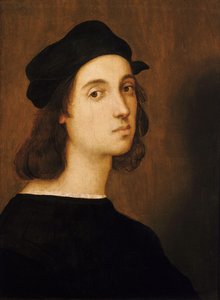
Rafael
1483 - 1520 , Italia
Kort om kunstneren
- Artistic Movement Or Style: Høyrenessansen
- Artists Or Movements Influenced By This Artist: ['Neoklassisisme']
- Artists Who Influenced This Artist:
- Leonardo da Vinci
- Michelangelo
- Date Of Birth: 1483
- Date Of Death: 1520
- Full Name: Raffaello Sanzio
- Nationality: Italiensk
- Notable Artworks:
- Skolen i Athen
- Sistine Madonna
- Place Of Birth (City And Country): Urbino, Italia
Relaterte artikler

The Renaissance Masters: A Comparative Study of Leonardo, Michelangelo, and Raphael
Explore the profound technical and philosophical differences between Leonardo, Michelangelo, and Raphael. A deep dive into High Renaissance mastery, from sfumato to anatomical precision, designed for art students and scholars seeking academic depth.




![Stanze Vaticane - Fordrivelsen av Heliodorus fra tempelet (detalj) [02]](/media/artworks/images-thumb/3a/23/3a2308b63b60b5cb105575e135028d92.jpg)

