


 Forhåndsvisning
 Send
Send Del
Del
 Vis detaljer
 Utskriftsvennlig guide

 Last ned bilde
 Liknende objekter
 Røntgenundersøkelse
 Lysbildefremvisning
 Q&A
Q&A Statistikk
Master John Heathcote
 Acrylic On Canvas
- WallArt
- Rococo Portraiture
 1770
1770 127.0 x 101.0 cm
 National Gallery of Art
 Vis hele teksten
Giclée / Kunsttrykk
Giclée- eller lerretsprint av museumskvalitet med rask produksjon og fleksible valgmuligheter for etterbehandling. ( Kjøp håndmalt maleri Bytt til digitalt bilde)




P118B Nkr10

P118H Nkr10

P118W Nkr10

P438Z Nkr10

P508JH Nkr12

P508YH Nkr12

P805H Nkr10

P805Z Nkr10

P919BZ Nkr10

P919G Nkr10

P919XJ Nkr10

P959ZH Nkr10

P968JZ Nkr12

W106C Nkr8

W218G Nkr10

W218JH Nkr8

W218Y Nkr10

W307PJ Nkr10

W316G Nkr10

W316PJ Nkr8

W316Y Nkr10

W398PJ Nkr8

W4111J Nkr10

W500HY Nkr15

W500JH Nkr15

W692G Nkr12

W849H Nkr8

W940BG Nkr15

W953PJ Nkr8




Velg mellom våre forhåndsdefinerte størrelser som bevarer kunstverkets opprinnelige proporsjoner.

Skriv inn ønsket bredde og høyde for å tilpasse trykket til din ramme eller vegg. Et trykk kan kun beskjæres, aldri skaleres opp utover motivets opprinnelige størrelse, noe som betyr at et format med andre proporsjoner vil føre til tap av deler av bildet. Vi sender deg en digital mockup for godkjenning før vi starter trykkeprosessen. Bildet som vises på denne siden viser ikke den faktiske beskjæringen — det er kun mockuppen som viser dette.
Verdensomspennende levering () på 2 uker i stedet for standard 4/5 uker. (31 October)

Gratis ekspressfrakt over hele verden

Lerretsduk av lin av høy kvalitet

Full transportforsikring

Garanti for refusjon av toll og importavgifter

Garantert fargegjengivelse

100 dagers returrett ved fabrikasjonsfeil

100% pengene tilbake-garanti

Rabatt ved flere kjøp
 Glassalternativet er kun tilgjengelig i størrelser under 110 cm

Master John Heathcote
Giclée / Kunsttrykk
Størrelse på reproduksjon
-


Totalpris for valgte alternativer
Nkr 616
A Moment of Rural Grace: Unveiling Thomas Gainsborough’s ‘Master John Heathcote’
Thomas Gainsborough's “Master John Heathcote,” painted in 1770, isn’t merely a portrait; it’s a carefully constructed tableau of Georgian England – a glimpse into the burgeoning ideals of rural life and social aspiration. The painting immediately draws the eye to its subject, a young man presented with an understated elegance against the backdrop of a verdant landscape. He stands in a contemplative pose, his gaze directed slightly off-canvas, suggesting a quiet awareness of his own position within this scene. The composition is remarkably balanced, utilizing diagonal lines created by the tree and the figure’s stance to guide the viewer's eye through the artwork.
Gainsborough’s masterful use of light and shadow – a hallmark of his style – imbues the painting with an almost palpable sense of atmosphere. The dappled sunlight filtering through the leaves creates a luminous effect, highlighting the boy’s face and clothing while simultaneously softening the edges of the background. This technique, known as *chiaroscuro*, was central to Gainsborough's ability to capture both form and mood, lending the scene an air of realism that belied its carefully orchestrated nature.
The Portrait of a Young Gentleman: Social Context and Symbolism
“Master John Heathcote” wasn’t commissioned as a simple likeness; it was created for the sitter's parents, John and Lydia Heathcote, who resided at Conington Castle in Huntingdonshire. This familial connection immediately elevates the painting beyond a mere portrait – it becomes a statement of social standing and family pride. The young man’s attire—a white dress with a blue sash—reflects the fashionable trends of the time, indicating his privileged upbringing and access to wealth. The inclusion of the umbrella isn't just an accessory; it subtly suggests protection from the elements, perhaps hinting at the responsibilities and challenges associated with his social position.
Notice also the two figures in the background: a man on the left and another further back on the right. These individuals are likely members of the Heathcote family or associates, adding depth to the narrative and reinforcing the painting’s connection to its patrons. The bird perched near the top-left corner is a common symbol of liberty and hope within English art of this period, subtly enriching the scene with layers of meaning.
Gainsborough's Technique: Brushwork and Impressionism
Examining Gainsborough’s technique reveals a fascinating blend of observation and artistic license. While rooted in classical portraiture, his work anticipates the burgeoning movement of Impressionism. His loose brushstrokes, particularly evident in the depiction of the foliage and sky, capture fleeting moments of light and atmosphere rather than striving for photographic realism. This approach was revolutionary at the time, prioritizing capturing the *impression* of a scene over meticulous detail.
The painting’s palette is restrained yet vibrant, dominated by earthy greens, blues, and browns – colors that evoke the natural beauty of the Suffolk countryside. Gainsborough's ability to blend these hues seamlessly creates a harmonious composition that invites contemplation. The subtle variations in tone contribute significantly to the sense of depth and perspective, drawing the viewer into the scene.
A Legacy of Elegance: Reproduction and Appreciation
AllPaintingsStore is proud to offer meticulously crafted hand-painted reproductions of “Master John Heathcote.” Each reproduction captures the essence of Gainsborough’s original – the delicate brushwork, the evocative light, and the subtle symbolism – with unparalleled accuracy. Whether you're an art enthusiast, a collector seeking a piece of British heritage, or simply someone drawn to the beauty of Georgian England, this painting offers a timeless appeal. Our reproductions are created using archival-quality materials, ensuring that they will retain their vibrancy and detail for generations to come. Explore our collection today and bring a touch of Gainsborough’s grace into your home or office.
Spørsmål og svar
Hvordan laster jeg ned bildet av "Master John Heathcote" av Thomas Gainsborough?
"Master John Heathcote" av Thomas Gainsborough kan lastes ned fra verkets Last ned digitalt bilde-side, som nedlasting av et digitalt bilde i høy oppløsning.
Hvordan forenes kunstretning og epoke i "Master John Heathcote" av Thomas Gainsborough?
I "Master John Heathcote" av Thomas Gainsborough møtes Rococo Portraiture-retningen og Tidlig moderne tid-epoken.
Hvilken plassering passer best til formatet på "Master John Heathcote" av Thomas Gainsborough?
Format (Portrait) og anbefalt rom (Living Room) er de to plasseringsegenskapene som er registrert for "Master John Heathcote" av Thomas Gainsborough.
Lignende kunstverk


Om kunstneren
A Suffolk Beginning: The Early Life and Artistic Awakening
The story of Thomas Gainsborough, one of Britain’s most celebrated artists, unfolds not within the confines of a grand academy or bustling metropolis, but in the tranquil market town of Sudbury, Suffolk. Born in 1727, the youngest son of John Gainsborough, a weaver and wool merchant, young Thomas displayed an innate artistic sensibility from a remarkably early age. While his siblings pursued more conventional paths, Thomas’s world rapidly became consumed by drawing and painting – miniature self-portraits and delicate landscapes blossoming from his hand even before he reached ten years old. This precocious talent wasn't merely a childhood pastime; it was the burgeoning of a vision that would reshape British art. His father, recognizing this unique gift, encouraged its development, setting young Thomas on a path diverging sharply from the family trade. The Suffolk countryside itself became his first studio, imbuing his later works with a deep and abiding love for the natural world – a characteristic that would distinguish him throughout his career. This early immersion in landscape wasn’t simply about replicating what he saw; it was about *feeling* the essence of the English countryside, an emotional resonance that would permeate his canvases for decades to come.London and the Shaping of a Style: Influences and Early Commissions
In 1740, at the age of thirteen, Gainsborough journeyed to London, embarking on formal artistic training under Hubert Gravelot, a French engraver renowned for his elegant rococo style. This exposure proved pivotal, introducing him to refined techniques and fashionable aesthetics. However, it was his association with William Hogarth and the St Martin’s Lane Academy that truly began to mold his artistic identity. Initially influenced by Hogarth's narrative approach – often depicting moral tales through crowded scenes – Gainsborough soon charted his own course, developing a distinctive style characterized by its lightness of touch, fluid brushwork, and subtle color palettes. He absorbed lessons from various masters, including the Dutch landscape painters whose emphasis on light and atmosphere deeply resonated with him. Returning to Sudbury after marrying Margaret Burr in 1746, Gainsborough established himself as a portraitist for the local gentry and mercantile classes. This period honed his skills in capturing likenesses and character, but it was during his subsequent move to Ipswich, and later Bath, that he began attracting a more sophisticated clientele – individuals who appreciated not just accurate representation, but also artistic flair and emotional depth.Bath and Beyond: Portraiture, Landscape, and Royal Patronage
The years spent in Bath (1759-1774) marked a significant turning point in Gainsborough’s career. The city was a hub of fashionable society, providing him with ample opportunities to paint portraits of the wealthy and influential. He quickly gained renown for his ability to capture not only physical resemblance but also the personality and social standing of his sitters. His portraits weren't merely depictions; they were statements about identity and status. He experimented with new techniques, incorporating elements of Rococo and Neo-classical styles, while retaining his own unique sensibility. However, even amidst the demands of portraiture, Gainsborough never abandoned his passion for landscape painting. In fact, he often seamlessly integrated landscapes into his portraits, creating compositions that celebrated both human subjects and the beauty of the natural world. This innovative approach – a hallmark of his style – set him apart from many of his contemporaries. The culmination of his success came with his move to London in 1774, where he established a studio on Pall Mall and became a founding member of the Royal Academy. He also secured royal patronage, becoming a favourite painter of King George III and Queen Charlotte, further solidifying his position as one of Britain’s leading artists. *Mrs. Thomas Gainsborough*, painted in 1785, exemplifies this period – an elegant portrait showcasing rococo style and muted tones.A Legacy of Innovation: Enduring Appeal and Influence
Thomas Gainsborough died in 1788, leaving behind a body of work that continues to captivate audiences today. His influence on subsequent generations of British artists is undeniable. He liberated portraiture from rigid formality, infusing it with spontaneity and emotional resonance. His loose brushwork and atmospheric effects paved the way for the Impressionists, while his lyrical landscapes inspired artists like John Constable, who deeply admired Gainsborough’s ability to capture the spirit of the English countryside. Gainsborough's legacy extends beyond technique; it lies in his profound understanding of human character and his unwavering commitment to artistic expression. He wasn’t simply a painter of portraits or landscapes; he was a storyteller, a poet of light and color, and a visionary who transformed British art. His paintings are a testament to the power of observation, imagination, and the enduring allure of the English landscape.Exploring Gainsborough's World Today
Fortunately, the opportunity to experience Gainsborough’s genius firsthand remains readily available. Gainsborough’s House, in his birthplace of Sudbury, stands as a testament to his life and work, offering visitors an intimate glimpse into his early influences and artistic development. Christchurch Mansion in Ipswich houses a significant collection of Gainsborough paintings alongside works by Constable and other masters. Numerous museums across the United Kingdom and internationally display his masterpieces, including the National Gallery in London and the Metropolitan Museum of Art in New York. His work continues to be studied, analyzed, and celebrated, ensuring that his artistic vision will endure for generations to come. The enduring appeal of Gainsborough’s art lies not only in its technical brilliance but also in its timeless beauty and emotional depth – qualities that resonate with viewers across centuries.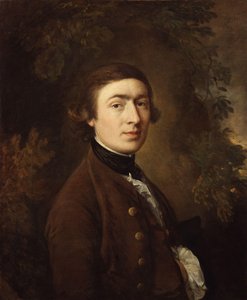
Thomas Gainsborough
1727 - 1788 , Storbritannia
Kort om kunstneren
- Artistic Movement Or Style: Rococoske, Portretter
- Artists Or Movements Influenced By This Artist: ['Constable']
- Artists Who Influenced This Artist:
- Gravelot
- Hogarth
- Date Of Birth: 1727
- Date Of Death: 1788
- Full Name: Thomas Gainsborough
- Nationality: Britisk
- Notable Artworks:
- Mrs. Gainsborough
- Mr Andrews
- Place Of Birth (City And Country): Sudbury, Storbritannia
Relaterte artikler

Evocations of Place: A Historical Journey Through Landscape Art
Explore the rich history of landscape art with AllPaintingsStore. Discover renowned artists, movements like Impressionism & tonalism, and expert guidance for collecting timeless pieces. Find your perfect serene escape today!

John Constable: Topp 25 Maler – Engelsk Landskapskunst i Ditt Hjem
Opplev John Constables 25 mest ikoniske malerier! Fordyp deg i engelsk romantikk, landskapskunst og atmosfæriske scener. Finn museumskvalitets reproduksjoner & interiørinspirasjon på AllPaintingsStore.com. Utforsk samlingen online!

Evoking Atmosphere & Identity: A Journey Through Landscape Painting's History
Explore the rich history of landscape painting! Discover renowned artists, movements like Romanticism, & techniques such as atmospheric perspective. Find inspiration and quality reproductions at AllPaintingsStore.

Evocations of Place: A Historical Journey Through Landscape Art
Explore the rich history of landscape art with AllPaintingsStore. Discover renowned artists, movements like Impressionism & Romanticism, and expert guidance for collecting timeless pieces. Find your perfect serene escape today!

Romantiske landskap: Topp 10 mesterverk for hjemmet – Kunst fra AllPaintingsStore.com
Oppdag de 10 mest ikoniske romantiske landskapsmaleriene! Fra Caspar David Friedrich til Turner – utforsk kunsthistorien, stemningen og fargepalettene. Finn museumskvalitets reproduksjoner på AllPaintingsStore.com.


