


 Se i rommet
 Del som digitalt kort
 Del
Del
 Detaljer
 Studentguide

 Last ned
 Liknende objekter
 Røntgen
 Lysbildefremvisning
 Besøksstatistikk
Squire John Wilkinson
 Acrylic On Canvas
- WallArt
- Romantic Landscape
 1776
1776 234.0 x 145.0 cm
 Staatliche Museen zu Berlin
 Les mer
Giclée / Kunsttrykk
Giclée- eller lerretsprint av museumskvalitet med rask produksjon og fleksible valgmuligheter for etterbehandling. ( Bestill håndmalt reproduksjon Gå til digitalt bilde)




P118B Nkr10

P118H Nkr10

P118W Nkr10

P438Z Nkr10

P508JH Nkr12

P508YH Nkr12

P805H Nkr10

P805Z Nkr10

P919BZ Nkr10

P919G Nkr10

P919XJ Nkr10

P959ZH Nkr10

P968JZ Nkr12

W106C Nkr8

W218G Nkr10

W218JH Nkr8

W218Y Nkr10

W307PJ Nkr10

W316G Nkr10

W316PJ Nkr8

W316Y Nkr10

W398PJ Nkr8

W4111J Nkr10

W500HY Nkr15

W500JH Nkr15

W692G Nkr12

W849H Nkr8

W940BG Nkr15

W953PJ Nkr8




Velg mellom våre forhåndsdefinerte størrelser som bevarer kunstverkets opprinnelige proporsjoner.

Skriv inn bredden og høyden du trenger, slik at den passer til din ramme eller vegg. Et trykk kan kun beskjæres, aldri gjøres større enn bildet, så et format med en annen form vil miste en del av motivet. Vi sender deg en digital mockup for godkjenning før vi trykker noe som helst. Bildet som vises på denne siden viser ikke den faktiske beskjæringen — det er kun mockuppen som gjør det.
Verdensomspennende levering () på 2 uker i stedet for standard 4/5 uker. (27 October)

Gratis ekspressfrakt over hele verden

Lerretsduk av høykvalitets lin

Full transportforsikring

Garanti for refusjon av toll og importavgifter

Garantert fargeekthet

100 dagers returrett ved fabrikasjonsfeil

100% pengene tilbake-garanti

Mengderabatt
 Glassalternativet er kun tilgjengelig i størrelser under 110 cm

Squire John Wilkinson
Giclée / Kunsttrykk
Format på reproduksjon
-


Totalpris
Nkr 609
A Portrait of Quiet Dignity: Exploring Gainsborough’s Squire John Wilkinson
Thomas Gainsborough, born in 1727 amidst the verdant landscapes of Suffolk, stands as a cornerstone of British art history. His early life was marked by an uncommon passion for drawing and painting – activities that defied the expectations of his family's wool merchant trade and foreshadowed the artistic brilliance to come. This formative period instilled within him a profound appreciation for observation and detail, qualities that would permeate his oeuvre throughout his illustrious career. Notably, Gainsborough’s dedication to capturing the beauty of the English countryside cemented his legacy as one of the progenitors of the British landscape school alongside Richard Wilson, establishing him as an influential figure in shaping artistic sensibilities of his time.- Subject Matter: The painting depicts Squire John Wilkinson, a gentleman of considerable standing, seated upon a bench beneath the dappled shade of trees and bushes. This deliberate choice of setting underscores themes of rural tranquility and aristocratic refinement – elements characteristic of Gainsborough’s artistic vision.
- Style & Technique: Gainsborough's signature style is instantly recognizable: characterized by soft brushstrokes, luminous color palettes, and a masterful rendering of light and shadow. He employed a technique known as ‘alla prima,’ applying paint directly onto the canvas without extensive underpainting, resulting in an immediacy and vibrancy that captures the essence of his subjects with remarkable accuracy.
Historical Context: The Georgian Era’s Embrace of Landscape
The painting was created during the Georgian era (1714-1830), a period defined by social stability, economic prosperity, and an increasing fascination with the natural world. Artists like Gainsborough responded to this cultural shift by elevating landscape paintings alongside portraiture, reflecting the aristocratic patrons’ desire for images that conveyed both grandeur and serenity. Wilkinson's pose—relaxed yet dignified—mirrors the prevailing aesthetic ideals of the time: a cultivated gentleman enjoying the pleasures of rural life amidst a backdrop of picturesque scenery.- Symbolism: The inclusion of trees and bushes serves as more than mere decorative elements; they symbolize longevity, wisdom, and connection to the earth – virtues associated with Squire Wilkinson’s character and status.
- Emotional Impact: Gainsborough's masterful use of color and light evokes a feeling of calm contemplation and understated elegance. The painting invites viewers to appreciate the beauty of simplicity and the dignity of rural life, capturing a moment frozen in time with remarkable sensitivity.
A Legacy Enduring Through Reproduction
Today, Gainsborough’s Squire John Wilkinson continues to inspire artists and collectors alike. AllPaintingsStore.com offers exceptional reproductions that faithfully recreate the original artwork's textures and colors, allowing enthusiasts worldwide to experience the profound beauty and artistic merit of this iconic piece. Explore the timeless appeal of Gainsborough’s vision—a testament to his skill as a painter and his enduring contribution to British art history.Spørsmål og svar
Hvordan ble "Squire John Wilkinson" laget, og hvor stor er den?
"Squire John Wilkinson" ble laget i Acrylic On Canvas og måler 234 x 145 cm i sin originale form.
Hva er formatet og størrelsen på "Squire John Wilkinson"?
"Squire John Wilkinson" av Thomas Gainsborough er en Tall komposisjon som måler 234 x 145 cm i originalformat.
Hvilken emosjonell tone har "Squire John Wilkinson" av Thomas Gainsborough?
"Squire John Wilkinson" er forbundet med en Calm følelse. Den emosjonelle tonen beskriver inntrykket verket gir.
Relaterte kunstverk


Kunstnerbiografi
A Suffolk Beginning: The Early Life and Artistic Awakening
The story of Thomas Gainsborough, one of Britain’s most celebrated artists, unfolds not within the confines of a grand academy or bustling metropolis, but in the tranquil market town of Sudbury, Suffolk. Born in 1727, the youngest son of John Gainsborough, a weaver and wool merchant, young Thomas displayed an innate artistic sensibility from a remarkably early age. While his siblings pursued more conventional paths, Thomas’s world rapidly became consumed by drawing and painting – miniature self-portraits and delicate landscapes blossoming from his hand even before he reached ten years old. This precocious talent wasn't merely a childhood pastime; it was the burgeoning of a vision that would reshape British art. His father, recognizing this unique gift, encouraged its development, setting young Thomas on a path diverging sharply from the family trade. The Suffolk countryside itself became his first studio, imbuing his later works with a deep and abiding love for the natural world – a characteristic that would distinguish him throughout his career. This early immersion in landscape wasn’t simply about replicating what he saw; it was about *feeling* the essence of the English countryside, an emotional resonance that would permeate his canvases for decades to come.London and the Shaping of a Style: Influences and Early Commissions
In 1740, at the age of thirteen, Gainsborough journeyed to London, embarking on formal artistic training under Hubert Gravelot, a French engraver renowned for his elegant rococo style. This exposure proved pivotal, introducing him to refined techniques and fashionable aesthetics. However, it was his association with William Hogarth and the St Martin’s Lane Academy that truly began to mold his artistic identity. Initially influenced by Hogarth's narrative approach – often depicting moral tales through crowded scenes – Gainsborough soon charted his own course, developing a distinctive style characterized by its lightness of touch, fluid brushwork, and subtle color palettes. He absorbed lessons from various masters, including the Dutch landscape painters whose emphasis on light and atmosphere deeply resonated with him. Returning to Sudbury after marrying Margaret Burr in 1746, Gainsborough established himself as a portraitist for the local gentry and mercantile classes. This period honed his skills in capturing likenesses and character, but it was during his subsequent move to Ipswich, and later Bath, that he began attracting a more sophisticated clientele – individuals who appreciated not just accurate representation, but also artistic flair and emotional depth.Bath and Beyond: Portraiture, Landscape, and Royal Patronage
The years spent in Bath (1759-1774) marked a significant turning point in Gainsborough’s career. The city was a hub of fashionable society, providing him with ample opportunities to paint portraits of the wealthy and influential. He quickly gained renown for his ability to capture not only physical resemblance but also the personality and social standing of his sitters. His portraits weren't merely depictions; they were statements about identity and status. He experimented with new techniques, incorporating elements of Rococo and Neo-classical styles, while retaining his own unique sensibility. However, even amidst the demands of portraiture, Gainsborough never abandoned his passion for landscape painting. In fact, he often seamlessly integrated landscapes into his portraits, creating compositions that celebrated both human subjects and the beauty of the natural world. This innovative approach – a hallmark of his style – set him apart from many of his contemporaries. The culmination of his success came with his move to London in 1774, where he established a studio on Pall Mall and became a founding member of the Royal Academy. He also secured royal patronage, becoming a favourite painter of King George III and Queen Charlotte, further solidifying his position as one of Britain’s leading artists. *Mrs. Thomas Gainsborough*, painted in 1785, exemplifies this period – an elegant portrait showcasing rococo style and muted tones.A Legacy of Innovation: Enduring Appeal and Influence
Thomas Gainsborough died in 1788, leaving behind a body of work that continues to captivate audiences today. His influence on subsequent generations of British artists is undeniable. He liberated portraiture from rigid formality, infusing it with spontaneity and emotional resonance. His loose brushwork and atmospheric effects paved the way for the Impressionists, while his lyrical landscapes inspired artists like John Constable, who deeply admired Gainsborough’s ability to capture the spirit of the English countryside. Gainsborough's legacy extends beyond technique; it lies in his profound understanding of human character and his unwavering commitment to artistic expression. He wasn’t simply a painter of portraits or landscapes; he was a storyteller, a poet of light and color, and a visionary who transformed British art. His paintings are a testament to the power of observation, imagination, and the enduring allure of the English landscape.Exploring Gainsborough's World Today
Fortunately, the opportunity to experience Gainsborough’s genius firsthand remains readily available. Gainsborough’s House, in his birthplace of Sudbury, stands as a testament to his life and work, offering visitors an intimate glimpse into his early influences and artistic development. Christchurch Mansion in Ipswich houses a significant collection of Gainsborough paintings alongside works by Constable and other masters. Numerous museums across the United Kingdom and internationally display his masterpieces, including the National Gallery in London and the Metropolitan Museum of Art in New York. His work continues to be studied, analyzed, and celebrated, ensuring that his artistic vision will endure for generations to come. The enduring appeal of Gainsborough’s art lies not only in its technical brilliance but also in its timeless beauty and emotional depth – qualities that resonate with viewers across centuries.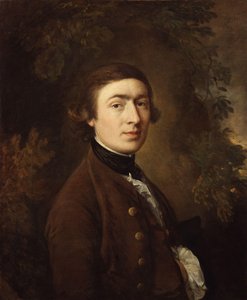
Thomas Gainsborough
1727 - 1788 , Storbritannia
Kort om kunstneren
- Artistic Movement Or Style: Rococoske, Portretter
- Artists Or Movements Influenced By This Artist: ['Constable']
- Artists Who Influenced This Artist:
- Gravelot
- Hogarth
- Date Of Birth: 1727
- Date Of Death: 1788
- Full Name: Thomas Gainsborough
- Nationality: Britisk
- Notable Artworks:
- Mrs. Gainsborough
- Mr Andrews
- Place Of Birth (City And Country): Sudbury, Storbritannia
Relaterte artikler

Evocations of Place: A Historical Journey Through Landscape Art
Explore the rich history of landscape art with AllPaintingsStore. Discover renowned artists, movements like Impressionism & tonalism, and expert guidance for collecting timeless pieces. Find your perfect serene escape today!

Alfred East: Pioneering Plein Air & Evoking Atmospheric Landscapes
Explore the life & work of Alfred East, a pioneer of British plein air painting. Discover his techniques for capturing atmospheric landscapes, Barbizon influences, and lasting legacy. Learn more at AllPaintingsStore.

Romantiske landskap: Topp 10 mesterverk for hjemmet – Kunst fra AllPaintingsStore.com
Oppdag de 10 mest ikoniske romantiske landskapsmaleriene! Fra Caspar David Friedrich til Turner – utforsk kunsthistorien, stemningen og fargepalettene. Finn museumskvalitets reproduksjoner på AllPaintingsStore.com.

Evocations of Place: A Historical Journey Through Landscape Art
Explore the rich history of landscape art with AllPaintingsStore. Discover renowned artists, movements like Impressionism & Romanticism, and expert guidance for collecting timeless pieces. Find your perfect serene escape today!

John Constable: Topp 25 Maler – Engelsk Landskapskunst i Ditt Hjem
Opplev John Constables 25 mest ikoniske malerier! Fordyp deg i engelsk romantikk, landskapskunst og atmosfæriske scener. Finn museumskvalitets reproduksjoner & interiørinspirasjon på AllPaintingsStore.com. Utforsk samlingen online!


