


 Forhåndsvisning
 Send
Send Del med andre
 Vis detaljer
 Veiledning

 Last ned bildet
 Liknende objekter
 Røntgenundersøkelse
 Lysbildefremvisning
 Statistikk
Agnelo dei Brunelleschi metamorfoseado por la serpiente


 Vis hele teksten
Håndlaget oljereproduksjon
Håndmalt olje på lerret i din valgte størrelse og ramme, laget på bestilling av våre kunstnere. ( Bytt til trykk Bytt til digitalt bilde)




P118B $10

P118H $10

P118W $10

P438Z $10

P508JH $12

P508YH $12

P805H $10

P805Z $10

P919BZ $10

P919G $10

P919XJ $10

P959ZH $10

P968JZ $12

W106C $8

W218G $10

W218JH $8

W218Y $10

W307PJ $10

W316G $10

W316PJ $8

W316Y $10

W398PJ $8

W4111J $10

W500HY $15

W500JH $15

W692G $12

W849H $8

W940BG $15

W953PJ $8




Velg mellom våre forhåndsdefinerte størrelser som bevarer kunstverkets opprinnelige proporsjoner.

Du kan angi egne mål for å tilpasse en spesifikk ramme eller plass. Dersom den valgte størrelsen ikke samsvarer med originalbildets proporsjoner, vil vi enten beskjære kunstverket eller utvide maleriet med ytterligere håndmalte elementer. En digital mockup vil bli sendt til din godkjenning før produksjonen starter.
Vennligst merk at forhåndsvisningen på skjermen ikke gjenspeiler den faktiske beskjæringen eller utvidelsen. Kun mockuppen vil vise den endelige komposisjonen nøyaktig.
Selv om tilpassede størrelser er tilgjengelige, anbefaler vi å velge et mål fra den forhåndsdefinerte listen for å bevare de originale proporsjonene.
Etter bestilling vil AllPaintingsStore.com-teamet sende e-post til kunden for instruksjoner og sende et utkast (mockup) som forhåndsvisning.
Verdensomspennende levering () på 3–4 uker i stedet for standard 5 uker. (21 September). Ingen kompromisser med kvaliteten.

Gratis ekspressfrakt over hele verden

Lerretsduk av høykvalitets lin

Full forsikring under transport

Garanti for refusjon av toll og importavgifter

Garantert korrekt fargegjengivelse

100 dagers returrett (kun ved mangler)

100% pengene tilbake-garanti

Rabatt ved flere kjøp
 Glassalternativet er kun tilgjengelig i størrelser under 110 cm

Agnelo dei Brunelleschi metamorfoseado por la serpiente
Teknikk for reproduksjon
Størrelse på reproduksjon
-


Endelig pris
$ 258
A Visionary Encounter with the Primal
In the hauntingly beautiful masterpiece "Agnelo dei Brunelleschi metamorfoseado por la serpiente," we are invited into the feverish, visionary world of William Blake. This work serves as a profound window into the depths of Romantic mysticism, presenting a scene that transcends mere visual representation to confront the viewer with the raw tension between humanity and the divine. At its heart lies a muscular, nude male figure, his physique rendered with a striking intensity that suggests both vulnerability and immense strength. As he stands centered in the composition, an unusual transformation takes hold; horns emerge from his brow, and a serpent coils around his body in a lethal yet intimate embrace. This imagery does not merely depict a myth; it captures a moment of profound metamorphosis, where the boundaries between flesh and spirit, innocence and experience, begin to dissolve into the shadows of the subconscious.
The painting’s atmosphere is further enriched by a constellation of figures scattered throughout the periphery, their presence adding layers of narrative depth and a sense of cosmic scale. These secondary characters, positioned with deliberate care in the upper and lateral reaches of the frame, act as silent witnesses to the central struggle, guiding the eye through a landscape that feels both deeply personal and mythologically vast. For the collector or interior designer, this piece offers an unparalleled emotional gravity, making it a commanding focal point for any space dedicated to intellectual inquiry and aesthetic wonder.
The Alchemy of Technique and Symbolism
To understand the visceral impact of this work, one must look toward Blake’s revolutionary approach to medium and texture. Drawing from his mastery of the mezzotint process, the artist achieved a velvety, tonal richness that allows light to emerge from deep, impenetrable darkness. This technique creates a chiaroscuro effect that is not merely decorative but essential to the painting's psychological weight; the subtle gradations of shade mimic the fluidity of a dream, where forms are never quite certain and shadows hold their own secrets. The surface appears almost hand-burnished, as if the artist had applied wax and polished the very essence of the subject with agate stones, resulting in a tactile quality that invites the viewer to reach out and touch the history etched into the pigment.
The symbolism embedded within the work is a complex tapestry woven from Dantean shadows and Biblical echoes. By drawing upon the themes found in The Marriage of Heaven and Hell and the primal narratives of Genesis, Blake explores the duality of existence—the eternal struggle between opposing forces. The serpent, often a symbol of temptation or wisdom, becomes a catalyst for change, entwining the human form in a way that suggests the inescapable nature of our primal instincts. For those seeking to adorn a curated collection, this artwork provides more than just visual beauty; it offers a profound philosophical dialogue, embodying the transformative power of art to bridge the gap between the physical world and the infinite realms of the imagination.
Om kunstneren
A Visionary’s Journey: The Life and Art of William Blake
William Blake, born in London on November 28, 1757, was a figure perpetually out of step with his time, yet destined to become one of the most celebrated artists and poets of the Romantic Age. His life unfolded against the backdrop of a rapidly changing England—a world grappling with industrialization, political upheaval, and shifting spiritual beliefs. From humble beginnings as the son of a hosier, Blake’s early years were marked by an intensely vivid imagination and a propensity for visionary experiences that would profoundly shape his artistic trajectory. Though largely self-taught in formal academics, he received drawing instruction at a young age, quickly revealing a talent that hinted at the extraordinary path ahead. His apprenticeship with engraver James Basire proved pivotal, providing him not only with technical mastery but also an understanding of printmaking techniques he would later revolutionize. These early influences—the Gothic grandeur of Westminster Abbey, the classical forms of Raphael and Michelangelo—served as foundational elements in his developing aesthetic, though Blake was never one to remain bound by convention.The Early Years: A Spark of Imagination
Blake’s formative years instilled within him a remarkable sensitivity to beauty and an unwavering belief in the power of imagination. Growing up in Soho, London, he absorbed the artistic currents of his era—particularly the ornate style of Gothic architecture—which fostered a fascination with elaborate ornamentation and storytelling. Despite lacking formal training, Blake possessed an innate aptitude for drawing, honing his skills through self-directed study and experimentation. His apprenticeship under James Basire, a respected engraver, provided invaluable experience in printmaking, equipping him with the technical tools necessary to realize his ambitious artistic visions. This early exposure to craftsmanship combined with a burgeoning inner life would become central to Blake’s distinctive creative process.Illuminated Printing: A Revolutionary Technique
Blake’s artistic innovation wasn't merely about subject matter; it resided fundamentally in *how* he created. Dissatisfied with conventional engraving methods—which he considered sterile and incapable of conveying the full richness of his imagination—he developed a unique process known as “illuminated printing.” This involved etching both text and illustrations onto copper plates, then painstakingly hand-coloring the resulting prints—a laborious but deeply personal undertaking that allowed for complete artistic control. It wasn’t simply illustration accompanying poetry; it was an integrated art form where image and verse were inextricably linked, each enhancing the meaning of the other. Blake's breakthrough came from a profound spiritual experience following his brother’s death—an event that spurred him to explore visionary techniques rooted in alchemy and symbolism. This method allowed for unparalleled textural depth and color vibrancy, elevating printmaking beyond mere reproduction into a form of artistic expression akin to painting.Major Works: Visions of Innocence and Experience
Blake's oeuvre encompasses a vast range of poetic and visual works—each imbued with symbolic significance and reflecting his unwavering commitment to exploring the complexities of human consciousness. Among his most celebrated achievements are *Songs of Innocence and of Experience* (1794), a dual collection that presents contrasting depictions of childhood—one characterized by purity and joy, the other marred by corruption and disillusionment. These poems are accompanied by exquisitely detailed engravings that amplify their emotional impact and reinforce their thematic unity. Equally remarkable is *The Marriage of Heaven & Hell* (1793)—a provocative prose poem that challenges conventional morality and celebrates energy, desire, and rebellion against restrictive doctrines. Blake’s illustrations for Dante's *Divine Comedy*, commissioned by John Flaxman, demonstrate his mastery of dramatic composition and his ability to translate complex narratives into powerful visual imagery—works that continue to captivate audiences today. Furthermore, *Jerusalem* (1804-1820), a sprawling epic poem exploring themes of prophecy, redemption, and the struggle between good and evil, stands as testament to Blake’s enduring imaginative power.Legacy: An Influence That Endures
Blake's artistic vision profoundly impacted subsequent generations of artists and writers—particularly the Pre-Raphaelites, who embraced his style and symbolism as inspiration for their own creative endeavors. His rejection of academic conventions and his insistence on subjective experience paved the way for movements like Symbolism and Modernism, which recognized him as a precursor to avant-garde artistic expression. Blake’s enduring influence can be seen in contemporary artists who grapple with themes of mythology, spirituality, and social critique—artists who strive to capture the essence of human emotion and imagination through unconventional mediums. William Blake remains an artist whose work continues to provoke contemplation and inspire awe—a beacon of visionary creativity in a world increasingly dominated by rational thought. He died August 12, 1827, leaving behind a legacy that transcends time and borders, securing his place as one of the most important figures in British Romanticism.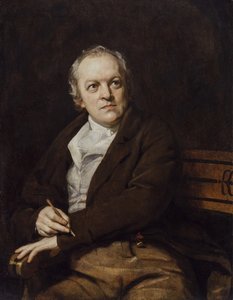
William Blake
1757 - 1827 , Storbritannia
Kort om kunstneren
- Artistic Movement Or Style: Romantikk
- Artists Who Influenced This Artist:
- Rafael
- Michelangelo
- Date Of Birth: 1757
- Date Of Death: 1827
- Full Name: William Blake
- Nationality: Britisk
- Notable Artworks:
- Lieder eines Innocents und einer Erfahrenen
- Die Hochzeit von Himmel und Erde
- Der Tiger
- Jerusalem
- Place Of Birth: London, UK
Relaterte artikler

Edmund Dulac: A Master of Golden Age Illustration – Exploring Myth, Symbolism & Art Nouveau Legacy
Explore the captivating world of Edmund Dulac, a master of Golden Age illustration! Discover his enchanting fairy tales, Art Nouveau style, and lasting influence on art & design. Learn about *The Rubaiyat* and more.

Kay Rasmus Nielsen: A Golden Age Illustrator's Enchanting Legacy of Symbolism & Narrative
Explore the captivating world of Kay Rasmus Nielsen, a celebrated Golden Age illustrator renowned for his Art Nouveau fairy tale art & Disney contributions. Discover his unique style, enduring legacy, and how to collect his enchanting works.

The Refined Aesthetic of Victorian Illustration: A Study in Narrative & Technique
Explore the captivating world of Victorian illustration! Discover Pre-Raphaelite influences, key artists like Rossetti & Stephens, and the era's rich narrative detail. A deep dive for art enthusiasts.

William Blake: Romantic Visionary & Mystical Genius of the Imagination
Explore the mystical art & poetic genius of William Blake (1757-1827). Discover his revolutionary illuminated printing, rich symbolism, and lasting influence on Romanticism. Find handmade reproductions at AllPaintingsStore.

Angelo Chiacchio: A Mid-Century American Illustration Master & the Rise of Commercial Art
Explore the captivating world of Angelo Chiacchio, a master of mid-century American illustration. Discover his evolution, signature style, and lasting impact on commercial art & design. Learn about his legacy at the Museum of American Illustration.


