


 Forhåndsvisning
 Send
Send Del med andre
 Vis detaljer

 Last ned bildet
 Liknende objekter
 Røntgenundersøkelse
 Lysbildefremvisning
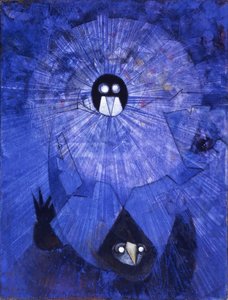
20 1963
 Vis hele teksten
Håndlaget oljereproduksjon
Håndmalt olje på lerret i din valgte størrelse og ramme, laget på bestilling av våre kunstnere. ( Kjøp trykk Kjøp bilde)




































Velg mellom våre forhåndsdefinerte størrelser som bevarer kunstverkets opprinnelige proporsjoner.

Du kan angi egne mål for å tilpasse en spesifikk ramme eller plass. Dersom den valgte størrelsen ikke samsvarer med originalbildets proporsjoner, vil vi enten beskjære kunstverket eller utvide maleriet med ytterligere håndmalte elementer. En digital mockup vil bli sendt til din godkjenning før produksjonen starter.
Vennligst merk at forhåndsvisningen på skjermen ikke gjenspeiler den faktiske beskjæringen eller utvidelsen. Kun mockuppen vil vise den endelige komposisjonen nøyaktig.
Selv om tilpassede størrelser er tilgjengelige, anbefaler vi å velge et mål fra den forhåndsdefinerte listen for å bevare de originale proporsjonene.
Etter bestilling vil AllPaintingsStore.com-teamet sende e-post til kunden for instruksjoner og sende et utkast (mockup) som forhåndsvisning.
Verdensomspennende levering () på 3–4 uker i stedet for standard 5 uker. (19 August). Ingen kompromisser med kvaliteten.

Gratis ekspressfrakt over hele verden

Lerretsduk av høykvalitets lin

Full forsikring under transport

Garanti for refusjon av toll og importavgifter

Garantert korrekt fargegjengivelse

60 dagers returrett (kun ved feil)

100% pengene tilbake-garanti

Rabatt ved flere kjøp
 Glassalternativet er kun tilgjengelig i størrelser under 110 cm

20 1963
Teknikk for reproduksjon
Størrelse på reproduksjon
-


Endelig pris
$ 258
Lignende kunstverk




Om kunstneren
Early Life and Influences
William Turnbull (1922-2012) was a Scottish artist whose career spanned sculpture, painting, and printmaking. Born in Dundee to John and Anne Turnbull, his early fascination with art manifested through copying illustrations from magazines. His formal education was interrupted by the Great Depression when he left school at 15 to find work, initially as a laborer and later painting film posters. Attending evening drawing classes at Dundee University under James McIntosh Patrick and Fred Mould proved formative, exposing him to landscape painting and illustration techniques. These early experiences laid the groundwork for his future artistic endeavors.World War II and Artistic Development
Turnbull's life took a significant turn during World War II when he enlisted in the Royal Air Force (RAF) in 1941. Serving as a pilot in Canada, India, and Sri Lanka broadened his perspective and exposed him to diverse cultures. After the war, he briefly studied at the Slade School of Fine Art in London but found its approach restrictive. Disillusioned with the Slade's neo-romanticism, he relocated to Paris in 1948, a pivotal move that shaped his artistic trajectory. In Paris, he encountered influential artists and movements, including Cézanne and Monet, which deeply influenced his aesthetic sensibilities.Key Artistic Periods and Styles
Turnbull’s career can be broadly divided into several distinct periods. His early sculpture (1950s) featured totemic columns and forms often inspired by ancient art and rock formations. The 1950s also saw him associated with the Independent Group, a forum for discussion and debate that contributed to the emergence of Pop Art. In the 1960s, he experimented with steel, Perspex, and fibreglass, creating modular sculptures influenced by American Colour Field Painting. A significant shift occurred in the 1970s when he returned to more molded forms and stylized bronze figurines, reflecting a renewed focus on surface patterns and color. Throughout his career, Turnbull demonstrated a remarkable versatility, seamlessly transitioning between different materials and styles while maintaining a distinctive artistic voice.Major Achievements and Historical Significance
William Turnbull’s contributions to British art are considerable. His inclusion in the 1952 Venice Biennale's *New Aspects of British Sculpture* exhibition established his international reputation. A major retrospective at the Tate Gallery in 1973 provided a comprehensive overview of his work, prompting him to re-evaluate his artistic direction. Turnbull’s ability to synthesize diverse influences—from ancient art and European modernism to American Color Field Painting—created a unique body of work that defied easy categorization. His role within the Independent Group positioned him as an early innovator in the development of Pop Art, while his sculptures and paintings continue to be celebrated for their formal elegance and intellectual depth. He is remembered as a significant figure in post-war British art, known for his independent spirit and unwavering commitment to artistic exploration.
William Turnbull
1922 - 2012 , United Kingdom
Kort om kunstneren
- Artistic Movement Or Style:
- Abstract art
- Sculpture
- Artists Or Movements Influenced By This Artist:
- Independent Group
- Pop Art
- Artists Who Influenced This Artist:
- Cézanne
- Monet
- Brancusi
- Léger
- Hélion
- Date Of Birth: January 11, 1922
- Date Of Death: November 15, 2012
- Full Name: William Turnbull
- Nationality: Scottish
- Notable Artworks: ['Geometry of Fear']
- Place Of Birth: Dundee, United Kingdom



