Early Life and Family Background
- Birth and Origins: Nakano Takeko, also known as Takesono Jiko, was born in Aizuwakamatsu, Japan, in April 1847.
- Family Lineage: Her father, Nakano Heinai, held a senior official position within the Aizu Domain. Her mother was Nakano Kōko, and she had siblings – a sister named Masako (Yūko) and a brother named Toyoki.
- Education and Upbringing: Takeko’s father was a scholar proficient in Japanese calligraphy and waka poetry, providing her with a cultured upbringing. She received education in martial arts from an early age alongside literary studies.
Martial Training and Artistic Pursuits
- Martial Arts Mastery: Nakano Takeko excelled in martial arts, specifically the Hasso-Shoken style of naginatajutsu (the art of wielding a Japanese polearm). She became a skilled warrior.
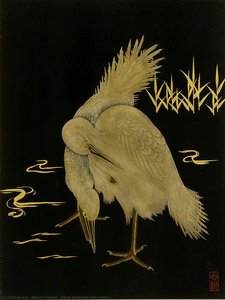
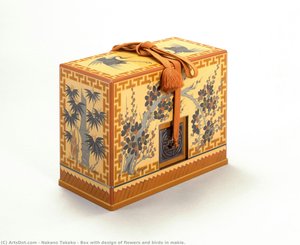
- Artistic Talent: Despite her renown as a warrior, Takeko also demonstrated artistic talent. She created *makie* lacquerware pieces, showcasing skill in this traditional Japanese technique.
- Notable Artwork: Her artwork includes items such as a tray with a bird design, a writing box adorned with wisteria, and a confectionery tray featuring grapevine motifs. These are now part of the collection at the Wajima Museum of Urushi Art in Japan.
Role in the Boshin War and Legacy
- Participation in Conflict: Nakano Takeko actively participated in the Boshin War, a civil conflict between supporters of the Tokugawa shogunate and those advocating for the Meiji emperor’s restoration.
- Formation of the Jōshitai: During the Battle of Aizu, she led an ad hoc corps of female combatants known as the Jōshitai (Girls' Army). This unit fought independently despite initial resistance from domain officials.
- Bravery and Dedication: She displayed exceptional bravery and dedication to her homeland during the war. Her actions inspired many, and she became a symbol of female empowerment.
- Death in Battle: Nakano Takeko died on October 16, 1868, during the Boshin War, fighting for the Aizu Domain.
Historical Significance and Remembrance
- Heroine of Aizu: Nakano Takeko is remembered as a heroine of the Aizu Domain. Her story has been retold through paintings, biographies, and other historical accounts.
- Symbol of Female Empowerment: She represents female empowerment in a traditionally male-dominated society. Her courage and leadership continue to inspire.
- Enduring Legacy: Her artwork remains admired by art lovers worldwide, while her martial prowess is celebrated as an example of strength and determination.
Artwork Collections
- Tray with design of a bird in makie
- Writing box with design of wisteria in makie
- Confectionery tray with design of grapevine in makie
- Table with design of Latin in saishitu
- Box with design of auspicious birds in makie
- Panel decorated with makie
- Box with design of flowers and birds in makie
Spørsmål og svar
Hvordan finner jeg verk av Nakano Takeko i en bestemt fargepalett?
Utforsk Nakano Takeko sine verk etter fargepalett på kunstnerens Etter fargepalett-side.
Hvordan finner jeg verk av Nakano Takeko innenfor et spesifikt tema?
Siden Søk etter nøkkelord for Nakano Takeko grupperer kunstnerens verk etter nøkkelord.
Hvor mange kunstverk av Nakano Takeko er tilgjengelige å bla gjennom?
Du kan bla gjennom 7 kunstverk verk av Nakano Takeko på siden Alle kunstverk.