Gwarancja zwrotu pieniędzy · 100 dni Darmowa dostawa na cały świat
643 303dzieła sztuki 52 888artyści 5 406muzea 32język
Portret Otto Scholderer

17 najsłynniejszych obrazów artysty Otto Scholderer do wyboru

Aktualizacja: Listopad 2026 · ranking według naszego wskaźnika popularności (liczba wyszukiwań, wizyt i zamówień dla każdego dzieła) · 18 dzieł Otto Scholderer w naszym katalogu

Szybka odpowiedź

Najważniejszym dziełem wśród obrazów Otto Scholderer jest Boy with dish with vegetables and dead game (1888), którego oryginał znajduje się w Bawarskie Państwowe Zbiory Malarstwa, Monachium. Na drugim i trzecim miejscu: The Violinist at the Window (1861) oraz Peaches in a Silver Basket (1869). Nasz katalog zawiera 18 dzieł autorstwa Otto Scholderer. Wymienione poniżej 17 pozycji to najsłynniejsze z nich, uszeregowane według rangi, wraz z rokiem powstania i muzeum, w którym znajduje się oryginał.

1834 – 1902, Frankfurt Najwięcej dzieł: Staatliche Kunsthalle Karlsruhe

Top 10: najsłynniejsze obrazy artysty Otto Scholderer

1
Boy with dish with vegetables and dead game (1888) autorstwa Otto Scholderer

Boy with dish with vegetables and dead game

1888 · Oil On Canvas · Bawarskie Państwowe Zbiory Malarstwa, Monachium

We are looking at Boy with dish with vegetables and dead game, a work by the German painter Otto Scholderer. This particular piece dates to about 1888, a period when the artist was refining his command over the interplay of light and shadow. It is a quiet, substantial composition that reflects the artist's deep engagement with the realities of the natural world.

Ręcznie malowana reprodukcja olejowa od $170 36 × 28 cm Rozmiar zgodny z oryginałem $328 89 × 71 cm Zamów w oryginalnym rozmiarze →
Wybierz rozmiar Zobacz szczegóły
2
The Violinist at the Window (1861) autorstwa Otto Scholderer

The Violinist at the Window

1861 · Oil · Städel Museum, Frankfurt nad Menem

The afternoon sun filters through a windowpane, casting a warm, golden glow across a quiet room. A man sits in a simple chair, his body poised in a moment of deep concentration. His fingers dance across the strings of a violin, creating a melody that seems to hang in the still air. His gaze drifts toward the world outside the glass, yet his spirit remains anchored to the music. A…

Ręcznie malowana reprodukcja olejowa od $170 26 × 38 cm Rozmiar zgodny z oryginałem $593 103 × 150 cm Zamów w oryginalnym rozmiarze →
Wybierz rozmiar Zobacz szczegóły

Od 11 do 17 miejsca: więcej obrazów autorstwa Otto Scholderer

Obrazy artysty Otto Scholderer według tematu

Cztery najczęstsze tematy w tym rankingu wraz z najważniejszym dziełem dla każdego z nich.

Muzea posiadające oryginały artysty Otto Scholderer

6 muzeów, w których znajduje się najwięcej obrazów z tej strony.

Muzea Miasto Dzieła artysty Otto Scholderer Obrazy z tej listy
Staatliche Kunsthalle Karlsruhe, KarlsruheStaatliche Kunsthalle Karlsruhe Karlsruhe 3 Peaches in a Silver Basket, Still Life with Snipe and a Hare, Schwarzwaldmühle in Kirnbach bei Schiltach
Bawarskie Państwowe Zbiory Malarstwa, MonachiumBawarskie Państwowe Zbiory Malarstwa Monachium 2 Boy with dish with vegetables and dead game, Peonies
Städel Museum, Frankfurt nad MenemStädel Museum Frankfurt nad Menem 2 The Violinist at the Window, Still Life with Blue Vase and Mushrooms
National Gallery, LondynNational Gallery Londyn 2 Lilac, Portrait of the Artist's Wife
Sheffield City Art Galleries, SheffieldSheffield City Art Galleries Sheffield 1 Man and Hares
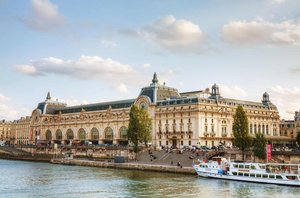
Musée d'Orsay, ParyżMusée d'Orsay Paryż 1 Marine

Najlepszy obraz dekady: Otto Scholderer

Dzieła według dekad

Wybierz dekadę, aby zobaczyć jej najważniejszy obraz.

Obrazy: Otto Scholderer – FAQ

Które dzieło jest najsłynniejszym dziełem Otto Scholderer?Pokaż odpowiedź

Boy with dish with vegetables and dead game (1888), Bawarskie Państwowe Zbiory Malarstwa, Monachium, zajmuje pierwsze miejsce, a następnie The Violinist at the Window (1861) i Peaches in a Silver Basket (1869).

W jakim wieku Otto Scholderer namalował/a Boy with dish with vegetables and dead game?Pokaż odpowiedź

Otto Scholderer miał 54 lat: Boy with dish with vegetables and dead game pochodzi z 1888, a Otto Scholderer urodził się w 1834.

Jakie są dziesięć najsłynniejszych obrazów, których autorem jest Otto Scholderer?Pokaż odpowiedź

Boy with dish with vegetables and dead game, The Violinist at the Window, Peaches in a Silver Basket, Still Life with Snipe and a Hare, Schwarzwaldmühle in Kirnbach bei Schiltach, Seestück bei St. Ives, Man and Hares, Still Life with Blue Vase and Mushrooms, Still Life with Peaches and Fig i Oysters. Rok powstania oraz muzeum dla każdego z nich znajdują się w powyższym rankingu.

Ile obrazów artysty Otto Scholderer znajduje się na liście?Pokaż odpowiedź

W naszym katalogu znajduje się 18 dzieł artysty Otto Scholderer, datowanych od 1861 do 1902.

W których muzeach znajdują się najsłynniejsze oryginały dzieł Otto Scholderer?Pokaż odpowiedź

Głównie w Staatliche Kunsthalle Karlsruhe (Karlsruhe), Bawarskie Państwowe Zbiory Malarstwa (Monachium) i Städel Museum (Frankfurt nad Menem). Pełna lista znajduje się w powyższej tabeli muzeów.

Kiedy powstały najważniejsze obrazy artysty Otto Scholderer?Pokaż odpowiedź

W okresie 1860s: 4 z 17 obrazów znajdujących się na tej liście pochodzi z tego czasu, w tym The Violinist at the Window.

Jakie są najstarsze i najnowsze słynne obrazy artysty Otto Scholderer?Pokaż odpowiedź

Najwcześniejsze na tej stronie: The Violinist at the Window (1861). Najnowsze: Lilac (1902).

Jakie słynne obrazy Otto Scholderer znajdują się w Staatliche Kunsthalle Karlsruhe?Pokaż odpowiedź

Muzeum Staatliche Kunsthalle Karlsruhe, Karlsruhe posiada 3 z obrazów wymienionych na tej liście, w tym Peaches in a Silver Basket, Still Life with Snipe and a Hare i Schwarzwaldmühle in Kirnbach bei Schiltach.

Czy mogę kupić reprodukcję obrazu Otto Scholderer?Pokaż odpowiedź

Tak. Każdy obraz na tej stronie można zamówić jako ręcznie malowaną reprodukcję olejną lub wydruk. Otwórz obraz, wybierz rozmiar i złóż zamówienie.

Otto Scholderer: artysta stojący za tymi dziełami

The Painter of Light and Shadow: The Life of Otto Scholderer

In the heart of nineteenth-century Germany, a period defined by the shifting tides between Romanticism and the dawn of Impressionism, Otto Franz Scholderer emerged as a master of visual storytelling. Born in Frankfurt am Main on January 25, 1834, Scholderer’s artistic journey was one of profound evolution, marked by a relentless pursuit of capturing the true essence of his subjects. His early years were steeped in the rigorous academic traditions of the Städel Academy of Arts, where he studied under the watchful eyes of art historian Johann David Passavant and the painter Jakob Becker. This foundational training provided him with more than just technical proficiency; it instilled a deep respect for classical composition and a meticulous eye for detail that would remain a hallmark of his work throughout his long and distinguished career.

As Scholderer matured, his artistic horizons expanded far beyond the borders of Germany. His travels to Paris between 1857 and 1858 proved to be a transformative period, exposing him to the radical currents of European art. It was here that he encountered the raw, unvarnished power of Gustave Courbet’s Realism, a movement that encouraged artists to look at the world without the veil of idealized sentimentality. This encounter fundamentally altered his approach to landscape and portraiture, steering him toward a more honest rendering of light, texture, and atmosphere. During this same era, he forged lasting connections with luminaries such as Henri Fantin-Latour and Édouard Manet, whose subtle explorations of light and fleeting moments would leave an indelible imprint on his later, more Impressionistic tendencies.

A Legacy of Intimacy and Observation

Scholderer’s body of work is a testament to his ability to find the extraordinary within the ordinary. Whether he was painting a serene pastoral vista or an intimate domestic scene, there was always a sense of quiet contemplation and profound presence. His connection to the Kronberg painter colony, fostered through his friendship and eventual familial bond with Victor Müller, allowed him to exist within a vibrant community of artists dedicated to capturing the beauty of the Taunus region. This environment nurtured his ability to blend the precise rendering of the Düsseldorf tradition with the atmospheric sensitivity of the burgeoning Impressionist movement.

His repertoire was remarkably diverse, showcasing a mastery over various genres:

  • Portraiture: Scholderer possessed a rare gift for capturing the psychological depth of his sitters, imbuing them with a sense of living breath and character.
  • Still Life: In works such as "The Flower Arrangement" and "Lilac," he demonstrated an exquisite command over color and texture, turning simple botanical subjects into meditations on beauty and decay.
  • Landscape: His landscapes often eschewed the dramatic for the subtle, focusing instead on the interplay of light across a field or the soft glow of an afternoon sun through a window.
  • Genre Painting: Pieces like "The Violinist at the Window" exemplify his ability to weave narratives of solitude and creativity, inviting the viewer into a private, melodic sanctuary.

By the time of his passing in 1902, Otto Scholderer had established himself as a cornerstone of German painting. His significance lies not only in his technical brilliance but in his role as a bridge between eras. He carried the weight of classical tradition into the modern age, proving that even as styles shifted from the structured to the ephemeral, the fundamental human desire to capture truth through light and shadow remained eternal. Today, his works continue to resonate, offering a window into a vanished world of grace, precision, and quiet emotion.