


 Podgląd w skali
 Wyślij jako kartkę
 Udostępnij
 Szczegóły dzieła

 Pobierz
 Podobne obiekty
 RTG
RTG Pokaz slajdów
Early Spring
 Rozwiń treść
Ręcznie malowana reprodukcja olejowa
Ręcznie malowany obraz olejny na płótnie, wykonany na zamówienie przez naszych artystów w wybranym przez Ciebie wymiarze i oprawie. ( Zamów wydruk Przełącz na obraz)




































Wybierz spośród naszych standardowych rozmiarów, które zachowują oryginalne proporcje dzieła sztuki.

Możesz wprowadzić własne wymiary, aby dopasować obraz do konkretnej ramy lub przestrzeni. Jeśli wybrany rozmiar nie będzie odpowiadał proporcjom oryginału, przytniecie dzieło sztuki lub rozszerzymy je o dodatkowe elementy, ręcznie domalowane przez artystę. Przed rozpoczęciem produkcji wyślemy projekt cyfrowy do Twojej akceptacji.
Należy pamiętać, że podgląd na ekranie nie odzwierciedla rzeczywistego przycinania ani rozszerzania obrazu. Tylko projekt dokładnie pokaże ostateczną kompozycję.
Choć oferujemy możliwość zamówienia niestandardowych rozmiarów, zalecamy wybór wymiaru z gotowej listy, aby zachować oryginalne proporcje dzieła.
Po złożeniu zamówienia zespół AllPaintingsStore.com skontaktuje się z klientem drogą mailową w celu uzyskania instrukcji i prześle wizualizację projektu
Dostawa na całym świecie () w ciągu 3–4 tygodni zamiast standardowych 5 tygodni. (10 Sierpień). Bez kompromisów w kwestii jakości.

Bezpłatna ekspresowa wysyłka na cały świat

Wysokiej jakości płótno lniane

Pełne ubezpieczenie przesyłki

Gwarancja zwrotu należności celnych i podatków importowych

Gwarancja wiernego odwzorowania kolorów

Polityka 60-dniowego zwrotu (tylko w przypadku wad)

Gwarancja 100% zwrotu kosztów

Zniżka przy zamówieniu wielu produktów
 Opcja ze szkłem jest dostępna wyłącznie w rozmiarach poniżej 110 cm

Early Spring
Technika reprodukcji
Wymiary reprodukcji
-


Cena całkowita
$ 258
Podobne dzieła

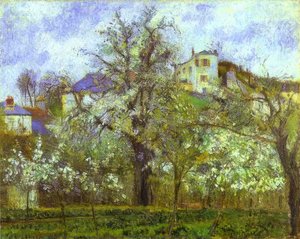


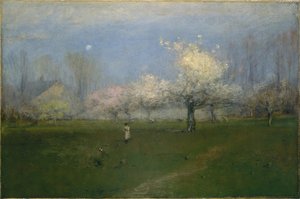

O artyście
A Tranquil Vision of Dutch Landscapes
Arnold Marc Gorter (1866, Almelo – 1933, Amsterdam) stands as a quiet yet significant figure in the landscape painting tradition of the late nineteenth and early twentieth-century Netherlands. While he may not command the same global level of fame as some of his Impressionist contemporaries like Franz Marc or Auguste Renoir, Gorter’s meticulous observation and masterful execution secured him a revered place among the luminaries of his era. His ability to capture the very essence of Dutch rural life with remarkable sensitivity was so profound that he became a favored artist of Queen Wilhelmina herself—a distinction that speaks volumes about the emotional resonance and technical grace found within his canvases.
Born in the eastern town of Almelo, Gorter’s artistic journey was shaped by rigorous academic training in the heart of Amsterdam. In 1888, he began his studies under the esteemed tutelage of August Allebé and Pierre Cuypers at the Rijksnormaalschool voor teekenonderwijzers. This formative period instilled in him a foundational understanding of realist technique, which he further refined while attending the Rijksakademie van beeldende kunsten between 1889 and 1891. These years of disciplined study established his commitment to capturing the natural world with an eye for both structural accuracy and atmospheric depth.
Mastery of Light and Atmosphere
As Gorter’s career progressed, his work began to reflect the broader stylistic currents sweeping through European art. While rooted in realism, his approach evolved to embrace a more ethereal palette, where the focus shifted from precise topographical detail toward the conveyance of mood and atmosphere. One can sense the subtle influence of Impressionistic philosophies within his oeuvre, particularly in how he manipulated light to evoke specific seasonal emotions. Whether depicting the silvered, melancholic light of a winter’s day or the vibrant, sun-drenched vitality of an autumn path, Gorter possessed a unique gift for making the landscape feel alive and breathing.
His technical prowess was not merely a matter of personal satisfaction but was recognized on the most prestigious international stages. A defining moment in his professional life occurred in 1910, when he was awarded a gold medal at the Paris Salon, an achievement that solidified his reputation far beyond the borders of the Netherlands. His paintings often invite the viewer into a world where time seems to slow down; in works such as Canal Landscape with Trees, the earth appears to lie fallow and resting beneath heavy skies, creating a sense of poetic realism that is both stark and deeply comforting.
Legacy and Artistic Leadership
Beyond the easel, Gorter was a pillar of the Dutch artistic community. His active engagement in prestigious organizations such as the Pulchri Studio and Arti et Amicitiae underscores his dedication to fostering innovation and elevating the standards of visual arts. He did not merely participate in these circles; he led them, serving as the president of the artists' association Arti et Amicitiae. This leadership role allowed him to influence the direction of Dutch art and connect with a wide array of influential figures, ranging from fellow painters to royalty.
The historical significance of Gorter’s life is perhaps most beautifully illustrated by his personal connection to the Dutch monarchy. In 1922, he accompanied Queen Wilhelmina on a journey through Norway, serving not just as a companion but as her painting teacher. This intimate role highlights the respect in which his talent was held. His legacy continues through the many pupils he mentored, including Marinus Bies and Carel Lodewijk Dake, ensuring that his dedication to the beauty of the natural world would ripple through subsequent generations of landscape painters.

Arnold Marc Gorter
1866 - 1933 , Netherlands
Krótka nota
- Artistic Movement Or Style: Impressionism
- Artists Or Movements Influenced By This Artist: Blue Rider
- Artists Who Influenced This Artist: August Allebé
- Date Of Birth: 1866, Almelo
- Date Of Death: 1933, Amsterdam
- Full Name: Arnold Marc Gorter
- Nationality: Dutch
- Notable Artworks:
- Natures Mirror
- Heideweg In Drenthe
- Place Of Birth: Almelo, Netherlands



