

- Strona główna

- Druk na płótnie
- Charles André van Loo
- HALTE DE CHASSE

 Podgląd w skali
 Udostępnij
 Udostępnij
 Szczegóły dzieła

 Pobierz
 Podobne obiekty
 RTG
RTG Pokaz slajdów
HALTE DE CHASSE


 Rozwiń treść
Giclée / Wydruk artystyczny
Druk giclée lub płótno o jakości muzealnej z szybką realizacją i szerokim wyborem opcji wykończenia. ( Przejdź do ręcznie malowanego obrazu Przełącz na obraz)




































Wybierz spośród naszych predefiniowanych rozmiarów, które zachowują oryginalne proporcje dzieła sztuki.

Możesz wprowadzić własne wymiary, aby dopasować dzieło do konkretnej ramy lub przestrzeni. Jeśli wybrany rozmiar nie będzie odpowiadał proporcjom oryginalnego obrazu, przytniecie dzieło lub rozszerzymy obraz za pomocą odbicia lustrzanego lub jednolitego wypełnienia krawędzi. Przed rozpoczęciem produkcji prześlemy cyfrową wizualizację do Twojej akceptacji.
Prosimy pamiętać, że podgląd na ekranie nie odzwierciedla faktycznego przycinania ani rozszerzania. Tylko wizualizacja dokładnie pokaże końcową kompozycję.
Mimo dostępności niestandardowych rozmiarów, zalecamy wybór wymiaru z listy zdefiniowanej, aby zachować oryginalne proporcje.
Dostawa na cały świat () w ciągu 2 tygodni zamiast standardowych 4/5 tygodni. (31 Lipiec)

Bezpłatna ekspresowa wysyłka na cały świat

Wysokiej jakości płótno lniane

Pełne ubezpieczenie przesyłki

Gwarancja zwrotu należności celnych

Gwarancja pełnego zgodności kolorystycznej

Polityka 60-dniowego zwrotu (tylko w przypadku wad)

Gwarancja 100% zwrotu pieniędzy

Zniżka przy większych zamówieniach
 Opcja szkła jest dostępna wyłącznie w rozmiarach poniżej 110 cm

HALTE DE CHASSE
Giclée / Wydruk artystyczny
Wymiary reprodukcji
-


Cena całkowita
$ 64
Opis obiektu kolekcjonerskiego
A Moment of Aristocratic Leisure: Exploring Charles-André van Loo’s “Halt of the Hunt”
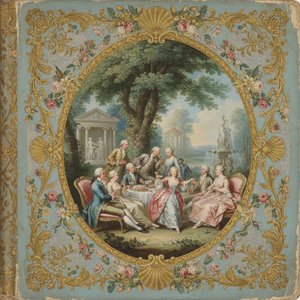
“HALTE DE CHASSE,” painted by Charles-André van Loo in 1738, isn't merely a depiction of a hunt; it’s an exquisitely crafted tableau that encapsulates the spirit of Rococo art and offers a glimpse into the opulent lifestyle enjoyed by French aristocracy during the reign of Louis XV. More than just observing animals pursuing prey, the scene unfolds as a celebration—a carefully orchestrated gathering of noblemen and ladies indulging in the pleasures of the outdoors after a successful expedition. The painting’s composition is deliberately dense, reflecting the Rococo penchant for layering visual information and creating an immersive experience for the viewer. Figures populate the foreground and middle ground with graceful ease, arranged around a magnificent table laden with delicacies—fruits, pastries, and wine glasses glinting in the dappled sunlight filtering through the trees. Dominating the right side of the canvas is a squadron of horseback riders, their movements conveying dynamism against the static backdrop of the picnic party. The artist skillfully employs diagonal lines to guide the eye across the scene, emphasizing both the activity and grandeur of the occasion. Van Loo’s masterful use of color contributes significantly to the artwork's emotional impact. Warm hues—russet reds, golden yellows, creamy whites—are juxtaposed against cooler shades of teal and emerald green, mirroring the natural environment while simultaneously highlighting the elegance of the figures’ attire. The pastel palette is particularly striking in the clothing of the nobility, where delicate pinks and creams soften the overall impression and convey a sense of refined beauty. Attention to detail is paramount; every garment folds with meticulous precision, reflecting the Rococo obsession for surface ornamentation and creating an illusion of tactile richness. Technically speaking, “Halt of the Hunt” exemplifies the oil painting technique perfected during the Baroque era but adapted to the aesthetic sensibilities of the Rococo period. Van Loo’s brushstrokes are smooth and blended seamlessly, resulting in a luminous finish that captures the subtle nuances of light and shadow. The artist employs glazing techniques—applying thin layers of translucent paint over underlying colors—to achieve depth and luminosity, enhancing the realism of textures like fabric and foliage. Furthermore, meticulous attention is paid to capturing the reflections on surfaces – particularly the wine glasses – demonstrating Van Loo’s mastery of optical illusion. Historically, “HALTE DE CHASSE” reflects a broader cultural preoccupation with portraying idealized representations of aristocratic life. The hunt itself served as a symbol of nobility—a demonstration of prowess and control over nature—while simultaneously offering an opportunity for social interaction and entertainment. More profoundly, the painting embodies the Rococo’s fascination with mythology and allegory, subtly referencing classical themes of Venus and Amor (love), representing fertility and beauty. The scene invites contemplation on notions of leisure, indulgence, and the pursuit of pleasure – values that underpinned the aristocratic worldview of the time. Ultimately, “HALTE DE CHASSE” transcends its formal description as a hunting tableau; it’s an enduring testament to Van Loo's artistic vision and the aesthetic ideals of his era. Its captivating composition, rich color palette, refined technique, and symbolic resonance continue to inspire admiration and offer a window into the opulent world of 18th-century France. It remains a cornerstone of Rococo art history—a beautiful reminder that even amidst grand pursuits, moments of serene enjoyment hold profound artistic significance.Podobne dzieła sztuki


Biografia artysty
Wczesne lata i kształcenie
- Urodzony: 15 lutego 1705 r. w Nicei, Francja
- Pochodzenie: Syn Louisa-Abrahama van Loo i młodszy brat Jean-Baptiste van Loo; członek odnoszącej sukcesy dynastii malarzy niderlandzkich.
- Wczesna edukacja: Początkowe szkolenie w Turynie, a następnie studia w Rzymie (1romat 1712) pod okiem Benedetto Luti oraz Pierre Legrosa.
- Studia paryskie: Uczestnik Académie royale, zdobywca pierwszej nagrody w dziedzinie rysunku w 1723 roku oraz malarstwa historycznego w 1727 roku.
Kariera artystyczna i wybitne dzieła
- Styl: Przede wszystkim znany jako malarz rokoka, charakteryzujący się elegancją, gracją i bogactwem detali.
- Tematyka: Szeroki wachlarz tematów, obejmujący portrety, sceny mitologiczne, malarstwo historyczne, alegorie oraz sceny rodzajowe.
- Znaczące dzieła:
- Wenus i Amor (Kunsthalle Bremen) – demonstruje mistrzostwo stylu rokoko.
- Przystanek na polowaniu (The Metropolitan Museum of Art) – oddaje atmosferę arystokratycznych rozrywek.
- Portret Marii Leszczyńskiej, Królowej Francji – znamienity portret królewski.
- Jowisz i Antiope – ukazuje tematy mitologiczne.
- Autoportret – pozwala zajrzeć w głąb samoświadomości artysty.
- Perseusz i Andromeda (wiele wersji) – ilustruje umiejętność przedstawiania mitologii klasycznej.
- Mademoiselle Clairon jako Medea (mała wersja) – urzekający portret rokokowy z 1760 roku.
Mecenat i królewskie uznanie
- Mecenat królewski: Cieszył się protekcją Madame de Pompadour oraz dworu francuskiego.
- Order św. Michała: Odznaczony Orderem św. Michała, co stanowiło symbol królewskiej łaski.
Wpływy i dziedzictwo
- Wpływ rodziny: Silnie zainspirowany twórczością ojca i brata, obaj wybitni malarze.
- Rywalizacja: Rywalizował z François Boucherem, innym znaczącym artystą epoki rokoka.
- Nowoczesna szkoła francuska: Jego „prostota stylu i poprawność projektu” wywarły istotny wpływ na rozwój nowoczesnej szkoły malarstwa francuskiego.
- Losy krytyczne: Choć jego pozycja w oczach krytyków zmieniała się w czasie, kunszt i rozmach jego twórczości budzą nieustanny szacunek.
Kolekcje muzealne i dalsze zgłębianie tematu
- Obecność w muzeach: Jego dzieła znajdują się w najważniejszych muzeach świata, w tym w Luwrze (Małżeństwo Najświętszej Marii Panny), Kunsthalle Bremen oraz The Metropolitan Museum of Art.
- Dodatkowe zasoby:
- Strona Charles-André van Loo w AllPaintingsStore: https://www.AllPaintingsStore.com/artists/charles-andre-van-loo/
- Strona Największych Artystów Wszystkich Czasów w AllPaintingsStore: https://www.AllPaintingsStore.com/greatest-artists
- Wirtualne Muzeum AllPaintingsStore: https://www.AllPaintingsStore.com/
- Artykuł w Wikipedii: https://en.wikipedia.org/wiki/Charles-Andr%C3%A9_van_Loo

Charles André van Loo
1705 - 1765 , Francja
Kluczowe informacje
- Artistic Movement Or Style: Rococo
- Artists Or Movements Influenced By This Artist: ['Nowoczesna szkoła francuska']
- Artists Who Influenced This Artist:
- Benedetto Luti
- Pierre Le Gros
- Date Of Birth: 1705
- Full Name: Charles André van Loo
- Nationality: Francuzi
- Notable Artworks:
- Wenus i Amor
- Przerywacz Łowów
- Portret Marii Leszczynskiej
- Jupiter i Antiope
- Place Of Birth: Nice, Francja
Powiązane artykuły

The Pursuit of Power & Prestige: Hunting Scenes in Western Art
Explore the rich history of hunting scenes in Western art, from royal pursuits to powerful allegories. Discover masterpieces & expert insights for discerning collectors. AllPaintingsStore offers museum-quality reproductions.
Rokokowy Styl: Arystokratyczne Przestrzenie Rozkoszy i Poszukiwanie Piękna w Sztuce XVIII Wieku
Odkryj świat rokoka – elegancji, luksusu i subtelności XVIII wieku. Poznaj mistrzów malarstwa, charakterystyczne cechy stylu oraz wpływ na sztukę i kulturę. Ekskluzywne reprodukcje obrazów na AllPaintingsStore.com.

Charles Le Brun: Master of French Baroque Classicism & His Enduring Legacy
Explore the life & art of Charles Le Brun, master of French Baroque Classicism. Discover his royal commissions, influence on Versailles, and enduring legacy through detailed analysis & stunning artworks.

Pietro Longhi's Venetian Scenes: A Study of Rococo Society & Domestic Life
Explore the captivating world of Pietro Longhi's Venetian scenes! Discover insightful analysis of his Rococo masterpieces & social commentary on 18th-century life. Learn about this 'Venetian Hogarth' and his lasting artistic legacy.

Jean-Baptiste-Siméon Chardin: Master of Still Life & Everyday Elegance
Explore the serene world of Jean-Baptiste-Siméon Chardin, master of still life & genre painting. Discover his revolutionary techniques, enduring legacy, and timeless depictions of everyday elegance. Learn more at AllPaintingsStore.





