


 Zobacz w skali 1:1
 Wyślij
 Udostępnij
 Szczegóły
 Guide
Guide

 Pobierz plik obrazu
 Podobne obiekty
 RTG
RTG Pokaz slajdów
 Statystyki
Narodzenie
 Akryl na płótnie
- Sztuka ścienna
- Sienese Gothic
 1308
1308 43.0 x 44.0 cm
 Narodowa Galeria Sztuki
 Czytaj więcej
Ręcznie malowana reprodukcja olejowa
Ręcznie malowany obraz olejny na płótnie, wykonany na zamówienie przez naszych artystów w wybranym przez Ciebie wymiarze i oprawie. ( Przełącz na wersję drukowaną Przełącz na wersję cyfrową)




P118B $10

P118H $10

P118W $10

P438Z $10

P508JH $12

P508YH $12

P805H $10

P805Z $10

P919BZ $10

P919G $10

P919XJ $10

P959ZH $10

P968JZ $12

W106C $8

W218G $10

W218JH $8

W218Y $10

W307PJ $10

W316G $10

W316PJ $8

W316Y $10

W398PJ $8

W4111J $10

W500HY $15

W500JH $15

W692G $12

W849H $8

W940BG $15

W953PJ $8




Wybierz spośród naszych standardowych rozmiarów, które zachowują oryginalne proporcje dzieła sztuki.

Możesz wprowadzić własne wymiary, aby dopasować obraz do konkretnej ramy lub przestrzeni. Jeśli wybrany rozmiar nie będzie odpowiadał proporcjom oryginału, przytniecie dzieło sztuki lub rozszerzymy je o dodatkowe elementy, ręcznie domalowane przez artystę. Przed rozpoczęciem produkcji wyślemy projekt cyfrowy do Twojej akceptacji.
Należy pamiętać, że podgląd na ekranie nie odzwierciedla rzeczywistego przycinania ani rozszerzania obrazu. Tylko projekt dokładnie pokaże ostateczną kompozycję.
Choć oferujemy możliwość zamówienia niestandardowych rozmiarów, zalecamy wybór wymiaru z gotowej listy, aby zachować oryginalne proporcje dzieła.
Po złożeniu zamówienia zespół AllPaintingsStore.com skontaktuje się z klientem drogą mailową w celu uzyskania instrukcji i prześle wizualizację projektu
Dostawa na całym świecie () w ciągu 3–4 tygodni zamiast standardowych 5 tygodni. (21 Wrzesień). Bez kompromisów w kwestii jakości.

Bezpłatna ekspresowa wysyłka na cały świat

Wysokiej jakości płótno lniane

Pełne ubezpieczenie transportowe

Gwarancja zwrotu należności celnych i podatków importowych

Gwarancja idealnego odwzorowania barw

100-dniowy okres na zwrot dzieła w przypadku wykrycia wad produkcyjnych

Gwarancja 100% zwrotu pieniędzy

Oferta przy zakupie wielu sztuk
 Opcja ze szkłem jest dostępna wyłącznie w rozmiarach poniżej 110 cm

Narodzenie
Technika wykonania
Rozmiar reprodukcji
-


Suma do zapłaty
$ 483
Wizjer do Serca Wiary: Narodzenie Pańskie Duccio di Buoninsegny
Narodziny Chrystusa, przedstawione w monumentalnym obrazie Duccio di Buoninsegny z 1308 roku – „Narodzenie” (La Natividad) – to dzieło, które wykracza daleko poza zwykłą ilustrację historyczną. To głęboka refleksja nad sensem wiary, spleciona w bogatą tkankę symboliki i subtelnych innowacji artystycznych. Obraz, obecnie prezentowany w Narodowym Galerii Sztuki w Waszyngtonie, to świadectwo rozkwitu sieneskiego stylu gotyku, a zarazem zapowiedź zmian, które miały zrewolucjonizować sztukę renesansu.Sienoskiej Gotyckiej Elegancji i Innowacji Artystycznych
Duccio di Buoninsegna, żyjący w Sienie na przełomie XIII i XIV wieku, był postacią kluczową w transformacji artystycznej. Jego twórczość, wywodząca się z tradycji bizantyjskiej, stopniowo wprowadzała elementy naturalizmu i emocjonalnego przekazu, charakterystyczne dla nowo powstającego stylu renesansu. „Narodzenie” to doskonały przykład tej ewolucji. Duccio nie ograniczył się do wiernego odwzorowania sceny biblijnej; zamiast tego, stworzył intymną wizję, w której postacie emanują życiem i uczuciami. Zauważalna jest subtelna perspektywa – pionowe ułożenie postaci i stopniowe oddalanie się tła, co nadaje kompozycji głębi i przestrzeni. Wykorzystanie tempery na desce pozwalało Duccio na precyzyjne detale: od delikatnych fal tkanin po wyraz twarzy, wyrażający wdzięczność Maryi i pokorę Józefa. Kolorystyka, bogata w głębokie błękity i intensywne czerwienie, nie służy jedynie dekoracji; podkreśla kluczowe postacie i nadaje scenie duchowego wymiaru.Symbolika i Narracja: Ukryte Znaczenia
„Narodzenie” to obraz niezwykle bogaty w symbole. Maryja, leżąca na łóżku, symbolizuje zarówno macierzyństwo, jak i boską łaskę. Józef, z troskliwością dbający o nią, reprezentuje męskie oblicze wiary. Noworodeczny Jezus, otulony delikatnym światłem, jest symbolem nadziei i zbawienia. Wokół nich rozkwita scena narodzenia – koźło i krowa symbolizują pokorę i ofiarę. Nad sceną wznosi się gwiazda Betlejemska, wskazująca drogę dla obserwatorów, a także symbolizująca Boże przebłyski. Szczególnie istotne są postacie proroków Izajasza i Jeremii, umieszczonych po bokach sceny – ich scrolli zawierają fragmenty proroctw, które zapowiadają narodziny Mesjasza. Każdy element kompozycji ma swoje znaczenie, prowadząc widza w głębszą refleksję nad sensem tego wydarzenia.Dziedzictwo Przechowane w Muzeum
„Narodzenie” Duccio di Buoninsegny to bezcenne świadectwo geniuszu artysty i trwałego wpływu sieneskiego stylu gotyku. Jego zachowanie w Narodowej Galerii Sztuki zapewnia, że kolejne pokolenia będą mogły podziwiać jego piękno i kontemplować głębokie przesłanie. Dla tych, którzy pragną przywieźć kawałek tego artystycznego dziedzictwa do własnych domów, dostępne są wysokiej jakości reprodukcje, pozwalające docenić mistrzowską technikę i sugestywną opowieść Duccio. Obraz ten to nie tylko ilustracja biblijna; to zaproszenie do wczarowania się w atmosferę świętowania i refleksji nad sensem wiary.- Artysta: Duccio di Buoninsegna
- Tytuł obrazu: Narodzenie
- Muzeum: Narodowa Galeria Sztuki (Washington D.C.)
- Technika: Tempera na desce
- Data: 1308
- Wymiary: 43 x 44 cm
The Sienese Luminary: Duccio di Buoninsegna and the Dawn of a New Italian Vision
Duccio di Buoninsegna, born in Siena around 1255, stands as a pivotal figure bridging the stylistic chasm between the Byzantine world and the burgeoning artistic sensibilities of Italy. While biographical details remain frustratingly scarce—the man himself often obscured by the brilliance of his art—his impact on the Sienese School and the trajectory of Italian painting is undeniable. He emerged during a period where religious iconography was deeply entrenched, yet a yearning for greater naturalism and emotional expression was beginning to stir within artistic circles. Duccio wasn’t merely a painter; he was an innovator who dared to infuse sacred narratives with human feeling, subtly shifting the focus from rigid formality towards a more intimate connection between the divine and the earthly realm. His early training remains somewhat mysterious, though speculation suggests possible influences from Byzantine masters in Constantinople, alongside formative experiences within the vibrant artistic environment of Siena. Duccio’s work quickly gained recognition for its elegance, emotional depth, and innovative use of color and composition, establishing him as a leading figure in the Sienese School and profoundly influencing subsequent generations of Italian artists.Podobne dzieła


Biografia artysty
The Sienese Luminary: Duccio di Buoninsegna and the Dawn of a New Italian Vision
Duccio di Buoninsegna, born in Siena around 1255, stands as a pivotal figure bridging the stylistic chasm between the Byzantine world and the burgeoning artistic sensibilities of Italy. While biographical details remain frustratingly scarce—the man himself often obscured by the brilliance of his art—his impact on the Sienese School and the trajectory of Italian painting is undeniable. He emerged during a period where religious iconography was deeply entrenched, yet a yearning for greater naturalism and emotional resonance was beginning to stir within artistic circles. Duccio wasn’t merely a painter; he was an innovator who dared to infuse sacred narratives with human feeling, subtly shifting the focus from rigid formality towards a more intimate connection between the divine and the earthly realm. His early training remains somewhat mysterious, though speculation suggests possible influences ranging from Florentine masters to direct exposure to Byzantine artistry—perhaps even travels to Constantinople itself. Whatever his formative experiences, they coalesced into a unique style that would define an era.
A Synthesis of Tradition and Innovation
Duccio’s artistic development wasn't a sudden rupture with the past but rather a graceful evolution. His initial works were deeply rooted in Byzantine conventions: the lavish use of gold leaf to evoke celestial light, stylized figures possessing an ethereal quality, and a meticulous attention to religious symbolism. However, even within these established parameters, Duccio began to subtly introduce elements that foreshadowed his later innovations. He experimented with spatial arrangements, hinting at depth where flatness had previously reigned supreme. His color palettes, while still vibrant, gained a newfound subtlety and harmony. More importantly, he started imbuing his figures with a nascent sense of humanity—a gentle curve of the mouth suggesting a smile, a slight tilt of the head conveying contemplation. This wasn’t a rejection of Byzantine ideals but a refinement, an infusion of life into what had often been static representations. He skillfully blended tradition and innovation, creating a style that was both reverent and remarkably fresh.
Masterpieces of Faith and Artistry
Two works stand as testaments to Duccio’s genius: the *Rucellai Madonna* (1285) and, most famously, the *Maestà* (1308-1311). The *Rucellai Madonna*, commissioned for a chapel in Florence, marked a significant departure from conventional Byzantine iconography. Its composition, while still adhering to traditional forms, displayed a greater sense of spatial organization and a more naturalistic depiction of the Virgin Mary and Child. But it was the *Maestà*—a monumental altarpiece created for Siena Cathedral—that truly cemented Duccio’s legacy. This sprawling masterpiece comprises numerous panels depicting scenes from the life of the Virgin Mary and Christ, each one a miniature work of art in itself. The Maestà is not merely a collection of paintings; it's a visual narrative, unfolding with breathtaking detail and emotional depth. Duccio’s mastery of light and shadow, his ability to convey complex emotions through subtle gestures, and his innovative use of perspective all converge in this single, awe-inspiring work. Beyond these monumental pieces, works like *Polyptych No. 28* demonstrate his continued compositional skill and meticulous attention to detail.
Influences and Artistic Development
Duccio’s artistic journey was shaped by a complex interplay of influences. While undeniably rooted in Byzantine tradition—particularly the luminosity and stylized figures characteristic of that era—he also absorbed elements from contemporary Italian art, most notably the naturalism and emotional intensity of Florentine painting. The influence of Simone Martini, a prominent Sienese artist, is often noted, as is the impact of Giotto’s emerging realism. Some scholars even speculate about Duccio's travels to Paris or Constantinople, where he may have encountered new artistic techniques and ideas. His early works demonstrate a clear adherence to Byzantine conventions—a preference for gold leaf, hierarchical compositions, and symbolic imagery. However, as his career progressed, he gradually moved towards a more naturalistic style, incorporating elements of perspective and human emotion into his paintings. This evolution reflects the broader shift in Italian art during the 14th century, away from the rigid formality of Byzantium and towards a more expressive and individualized approach.
A Lasting Legacy: Shaping the Future of Italian Art
Duccio di Buoninsegna’s influence extended far beyond his lifetime. He revolutionized Italian painting, paving the way for the development of the Sienese School—a distinct artistic tradition characterized by its elegance, refinement, and emotional intensity. His emphasis on naturalism, spatial depth, and human emotion directly impacted subsequent generations of artists, influencing not only those within Siena but also painters in Florence and beyond. While Giotto is often credited with initiating the Renaissance style, Duccio’s contributions were equally crucial, laying the groundwork for the artistic innovations that would define the 14th century and beyond. Despite facing financial hardships during his life, Duccio’s artistic legacy endures. His masterpieces continue to inspire awe and admiration, serving as a powerful reminder of the transformative power of art. He helped define the Trecento art movement, leaving an indelible mark on the history of Western painting.
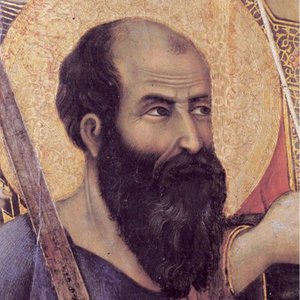
Duccio di Buoninsegna
1255 - 1319 , Włochy
Najważniejsze informacje
- Artistic Movement Or Style: Gotyk sienński, Sienese School
- Artists Or Movements Influenced By This Artist:
- Sienese School
- Włoski gotyk
- Artists Who Influenced This Artist: ['Sztuka bizantyjska']
- Date Of Birth: c. 1255
- Date Of Death: 1319
- Full Name: Duccio di Buoninsegna
- Nationality: Włoski
- Notable Artworks:
- Maestà
- Rucellai Madonna
- Place Of Birth: Siena, Italia
Zobacz także powiązane artykuły

10 Arcydzieł Tempery na Drewnie, Które Zmieniły Historię Sztuki | AllPaintingsStore
Odkryj 10 arcydzieł tempery na drewnie, które zrewolucjonizowały sztukę! Poznaj historię Giotta, van Eycka i innych mistrzów renesansu. Reprodukcje obrazów najwyższej jakości – inspiracje do wnętrz na AllPaintingsStore.com

Late Medieval Masterpieces: 10 Artworks That Defined an Era | AllPaintingsStore
Journey through 10 defining Late Medieval masterpieces – from Giotto's frescoes to Jan van Eyck’s realism. Explore the stories, techniques & vibrant colors of Gothic art. Find museum-quality reproductions and elevate your home decor with AllPaintingsStore.com! Discover all masterpieces on AllPaintingsStore.com

Proto-Renensans: 10 Arcydzieł, Które Zdefiniowały Sztukę – AllPaintingsStore.com
Odkryj 10 arcydzieł proto-renesansu! Poznaj historię Giotta, Cimabue i innych mistrzów. AllPaintingsStore.com oferuje reprodukcje obrazów najwyższej jakości – idealne do Twojego wnętrza. Eksploruj pełną kolekcję online!
Giotto di Bondone: 25 Arcydzieł Sztuki Niezmieniających Historii | AllPaintingsStore.com
Odkryj 25 arcydzieł Giotta di Bondone – renesansowego mistrza fresków. Poznaj historię, techniki i emocje w jego najsłynniejszych dziełach. Reprodukcje obrazów najwyższej jakości na AllPaintingsStore.com. Eksploruj pełną kolekcję online!

Iluminacja Powierzchni: Kompleksowe Badanie Technik Malarstwa Temperą na Desce i Jego Historyczne Znaczenie
Poznaj fascynującą historię i techniki malarstwa temperą na desce. Analiza dzieł Botticellego, szczegółowy przewodnik po pigmentach i spoiwach. Odkryj sekrety trwałości i piękna obrazów temperowych!


