


 Podgląd w skali 1:1
 Wyślij jako kartkę
 Udostępnij
 Szczegóły dzieła
 Przewodnik

 Pobierz obraz
 Podobne obiekty
 RTG
RTG Pokaz slajdów
 Q&A
Q&A Statystyki
Self Portrait, , Whitney Museum of American


 Rozwiń treść
Otrzymaj plik gotowy do druku, którego jakość znacznie przewyższa podgląd internetowy. Każdy sprzedawany przez nas obraz cyfrowy pochodzi z wysokorozdzielczego pliku wzorcowego w naszej bazie — zazwyczaj o szerokości od 5 000 do 15 000 pikseli — dzięki czemu możesz drukować w dużym formacie, mocno kadrować lub z pełnym przekonaniem odwzorowywać najdrobniejsze detale.
Żaden plik nie opuszcza naszego studia bez odpowiedniej obróbki. Ekspert ds. cyfrowej edycji sprawdza zgodność kolorów z oryginałem i w razie potrzeby je koryguje, a następnie za pomocą profesjonalnych narzędzi do retuszu poprawia ostrość oraz szczegółowość — zawsze zachowując wierność pociągnięciom pędzla i stylowi artysty. Rezultatem jest obraz, który wygląda jak prawdziwe dzieło, a nie jak przefiltrowany skan.
Zatwierdzasz przed finalizacją zamówienia: nasz ekspert prześle obraz drogą mailową w ciągu 72 godzin do Twojego wglądu. Nie jesteś zadowolony? Poproś o poprawki lub korektę, bądź o zwrot kosztów, jeśli jakość nie spełnia oczekiwań.
To jakość, na której polegają wydawcy, studia projektowe, galerie oraz drukarnie.
Obraz cyfrowy
Pobierz plik o wysokiej rozdzielczości do osobistego użytku, druku oraz projektów kreatywnych. ( Przełącz na wydania drukowane Zamów ręcznie malowaną reprodukcję)
W każdym zamówieniu na obraz cyfrowy znajduje się
Profesjonalna dostawa cyfrowa z gwarancją
Wybierając AllPaintingsStore.com, nie otrzymujesz jedynie obrazu – otrzymujesz profesjonalnie udoskonalone cyfrowe dzieło sztuki, stworzone z najwyższą precyzją i objęte gwarancją satysfakcji. Oto wszystko, co automatycznie dołączane jest do Twojego zamówienia:

Błyskawiczna wysyłka e-mailowa
Plik z obrazem cyfrowym w wysokiej rozdzielczości zostanie przesłany na Twój adres e-mail w ciągu 72 godzin od złożenia zamówienia – gotowy do natychmiastowego użycia.

Plik cyfrowy wzbogacony przez AI
Twoja grafika została profesjonalnie zoptymalizowana przy użyciu zaawansowanych narzędzi AI oraz ręcznej edycji, co zapewnia maksymalną szczegółowość, klarowność i wierność kolorów.

Darmowe ponowne przesyłki dożywotnio
Przypadkowo usunąłeś lub zgubiłeś swój plik? Bez obaw – prześlemy go Tobie ponownie w dowolnym momencie, bez żadnych opłat.

Bez opłat importowych – zawsze
Ciesz się swoją sztuką natychmiast, bez żadnych opłat celnych, należności ani kosztów dostawy – pliki cyfrowe są zawsze wolne od podatku.

Gwarancja wierności kolorów
Dzięki zastosowaniu profesjonalnych narzędzi i procesów zarządzania barwą zapewniamy, że Twoje cyfrowe zdjęcie odzwierciedla oryginalne kolory tak wiernie, jak to tylko możliwe.

Gwarancja satysfakcji przez 100 dni
Jeśli nie będziesz zadowolony ze swojego cyfrowego obrazu, dokonamy jego poprawki lub zwrócimy 100% kosztów w ciągu 100 dni – bez zbędnych pytań.

100% Gwarancja zwrotu pieniędzy
Nie jesteś zadowolony? Otrzymaj pełny zwrot kosztów w ciągu 100 dni od otrzymania pliku cyfrowego – bez zbędnych pytań.

Rabaty przy zamówieniach hurtowych
Kup 3 obrazy, oszczędź 10% - Kup 5, oszczędź 15% - Kup 10+, oszczędź 20%. Idealne do projektów kreatywnych, galerii i agencji.
A Solitary Gaze: Edward Hopper’s “Self Portrait” – A Study in Modern Isolation
Edward Hopper's "Self Portrait," painted in 1930, isn’t merely a depiction of an artist; it’s a distilled essence of the anxieties and quietude that defined much of early 20th-century American experience. Held within the Whitney Museum of American Art, this oil on canvas offers a poignant glimpse into Hopper's own psyche – a man wrestling with his identity amidst the burgeoning isolation of modern urban life. The painting immediately draws the viewer in with its stark simplicity: a figure, rendered in muted browns and blues, sits before a window, his gaze fixed directly upon us, an invitation to share in his contemplative stillness.
Hopper’s style during this period firmly anchors itself within New Realism, a movement characterized by its unflinching portrayal of everyday subjects – often ordinary individuals—and the stark realities of their surroundings. He eschewed romanticized notions of beauty or grand narratives, instead favoring a precise and almost photographic realism that captured the subtle details of light, shadow, and human expression. The painting’s composition is deliberately restrained; the figure occupies a small portion of the canvas, emphasizing his vulnerability and drawing attention to the expansive space surrounding him – a space that speaks volumes about loneliness and detachment.
The Language of Light and Shadow
Technically, Hopper masterfully employs light to create a profound sense of mood. The window acts as a crucial element, flooding the interior with an artificial daylight that feels both inviting and unsettling. This light isn’t warm or comforting; it's cool and somewhat harsh, casting sharp shadows across the figure’s face and clothing. The use of chiaroscuro – the dramatic contrast between light and dark – heightens the sense of drama and introspection within the scene. Notice how Hopper subtly suggests a depth to the interior space through careful layering of tones and textures; it's not a fully realized room, but rather an implied one, hinting at a life lived largely in solitude.
The figure’s attire – a brown hat and blue shirt, topped with a tie – is deliberately unremarkable. This deliberate lack of adornment reinforces the painting’s theme of anonymity and detachment. He isn't a celebrated artist or a wealthy patron; he’s simply a man, caught in a moment of quiet reflection. The subtle details, like the worn fabric of his clothing and the slight furrow in his brow, contribute to a sense of lived experience – a life marked by observation and perhaps, a touch of melancholy.
Symbolism and the Poetics of Loneliness
Beyond its technical merits, “Self Portrait” is rich with symbolic meaning. The window itself represents a barrier—a separation between the interior world of the artist and the external reality of the city. It’s through this window that we observe him, but he remains largely detached from our gaze. The partially obscured portrait on the wall – a reference to Hopper's earlier work, “Artist’s Bedroom, Nyack” – adds another layer of complexity, suggesting an ongoing dialogue with his own artistic identity and perhaps, a recognition of the cyclical nature of self-reflection.
Hopper was deeply attuned to the psychological landscape of modern America, capturing the pervasive sense of isolation that accompanied rapid urbanization and social change. “Self Portrait” isn’t simply a portrait; it's a meditation on loneliness, introspection, and the challenges of finding meaning in a world increasingly defined by anonymity. It remains a powerfully resonant image, speaking to our own experiences of solitude and the enduring human need for connection – even when that connection is only reflected back at us through a window.
Interior Design Considerations & Reproduction
When considering incorporating elements inspired by “Self Portrait” into an interior design scheme, it’s crucial to capture the painting's atmosphere of quiet contemplation. Neutral color palettes—particularly browns, blues, and grays—will effectively evoke Hopper’s palette. Incorporating a window as a focal point is essential, allowing natural light to play across the space and creating a sense of depth. Furniture should be simple and functional, avoiding excessive ornamentation. The overall effect should be one of understated elegance and serene solitude – a space that invites reflection and offers respite from the bustle of daily life.
AllPaintingsStore’s hand-painted reproductions of “Self Portrait” offer an unparalleled opportunity to experience Hopper's masterpiece in exquisite detail. Each reproduction meticulously recreates the painting’s nuanced colors, textures, and atmospheric effects, ensuring that you possess a truly authentic representation of this iconic work of American art.
Pytania i odpowiedzi
W jaki sposób kontrast i harmonia łączą się w "Self Portrait, , Whitney Museum of American"?
Kompozycja kolorystyczna „Self Portrait, , Whitney Museum of American” – Edward Hopper łączy w sobie Statement kontrast z Softly Mixed Palette harmonią.
Jaką harmonię kolorów prezentuje „Self Portrait, , Whitney Museum of American” – Edward Hopper?
Kolory dzieła „Self Portrait, , Whitney Museum of American” – Edward Hopper wykazują Softly Mixed Palette harmonię. Harmonia ta opisuje wzajemne relacje między barwami.
Jaka paleta barw została wykorzystana w „Self Portrait, , Whitney Museum of American” – Edward Hopper?
Kolory dzieła "Self Portrait, , Whitney Museum of American" tworzą Neutrals paletę barw. Klasyfikacja ta opisuje dominujące rodziny kolorystyczne.
Podobne dzieła


Biografia artysty
A Solitude Observed: The Life and Art of Edward Hopper
Edward Hopper, a name inextricably linked to the quietude and subtle melancholy that permeated 20th-century American life, wasn’t simply a painter of scenes; he was a poet of light and shadow, a chronicler of modern isolation. Born in Nyack, New York, in 1882, to middle-class parents of Dutch ancestry, Hopper's early years provided a stable upbringing that nurtured his artistic inclinations. From childhood sketches meticulously dated and signed, it became evident that keen observation and an innate talent for drawing were central to his being. Though initially encouraged towards commercial illustration – a pragmatic suggestion from his parents – Hopper’s ambitions leaned toward fine art, leading him to the New York School of Art where he studied under William Merritt Chase and Robert Henri. These formative years instilled not only technical skill but also an appreciation for realism and a commitment to depicting the world as he saw it—unvarnished and honest. The writings of Ralph Waldo Emerson resonated deeply with Hopper, reinforcing his sense of individualism and acute observation – qualities that would become hallmarks of his artistic vision. Early travels to Paris exposed him to Impressionism, yet Hopper quickly diverged from its fleeting brushstrokes, forging a path uniquely his own.Finding His Voice: Realism and the American Scene
Hopper’s artistic journey wasn't immediate or effortless. He grappled with discovering his distinctive voice, experimenting with various styles before settling into the realism that would define his career. This wasn’t mere replication of reality; it was a distillation of its essence, stripping away extraneous detail to reveal underlying emotional truths. His paintings began to focus on everyday scenes – houses, diners, offices, hotel rooms – imbued with a sense of stillness and often, loneliness. He possessed an extraordinary ability to capture the psychological states of his subjects, hinting at narratives without explicitly stating them. The precise rendering of light and shadow became crucial, not merely as descriptive elements but as emotional cues, creating atmospheres that were both captivating and unsettling. House by the Railroad (1925), an early masterpiece, exemplifies this approach—a seemingly simple composition radiating a profound sense of isolation and mystery. Hopper’s printmaking, often overlooked, ran parallel to his painting, sharing similar themes and stylistic qualities, demonstrating his mastery across mediums. He wasn't interested in grand historical narratives or allegorical symbolism; he focused on the mundane, elevating it through careful observation and emotional resonance.Iconic Visions: Nighthawks and Beyond
While Hopper’s career unfolded gradually, certain works catapulted him to widespread recognition. Nighthawks (1942), arguably his most famous painting, became an instant icon of American culture. The late-night diner scene, bathed in stark fluorescent light, perfectly encapsulates the alienation and anonymity of modern urban life. The figures within are lost in their own thoughts, disconnected from one another despite their proximity—a poignant commentary on the human condition. Gas (1940), with its striking portrayal of a roadside gas station, showcases Hopper’s fascination with American landscapes and the burgeoning automobile culture. Other notable works like *Automat*, *Office in a Small City*, and *Summertime* each offer unique insights into the complexities of 20th-century American society. These paintings weren't merely depictions of places; they were explorations of mood, psychology, and the subtle dramas unfolding within ordinary settings. His wife, Josephine Nivison Hopper, played a vital role not only as his lifelong companion but also as a frequent model, contributing significantly to the characterization of his female figures.Themes and Legacy: A Lasting Influence
Several recurring themes permeate Hopper’s oeuvre. Urban isolation is perhaps the most prominent—the sense of loneliness experienced by individuals even amidst crowds. He explored the American landscape, both rural and urban, often emphasizing its starkness and emptiness. His work delves into psychological realism, probing the inner lives of his subjects with a sensitivity that transcends mere representation. There’s also an undercurrent of nostalgia for a simpler past, juxtaposed with an acknowledgement of the complexities and anxieties of modern life. Hopper's influence on subsequent artists is undeniable. His unique style has inspired countless painters, including Pierre Sanford Ross, and continues to resonate with contemporary artists seeking to capture the essence of human experience. His paintings remain highly sought after by collectors and are exhibited in major museums worldwide, solidifying his place as a pivotal figure in American art history. More than just an artist, Edward Hopper was a visual philosopher, offering profound insights into the human condition through his masterful use of light, shadow, and composition.- His legacy lies not only in the beauty of his paintings but also in their enduring ability to provoke thought, evoke emotion, and remind us of the quiet solitude that often defines our lives.
- Hopper’s work continues to captivate audiences because it speaks to universal themes of loneliness, isolation, and the search for meaning in a rapidly changing world.
- His paintings have become iconic representations of American culture, often used to symbolize the anxieties and aspirations of the 20th century—and beyond.
- Hopper’s aesthetic has profoundly influenced filmmakers (like Alfred Hitchcock) and writers, inspiring countless works that explore similar themes of alienation and psychological tension.
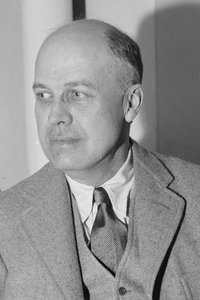
Edward Hopper
1931 - 1967 , Stany Zjednoczone
Krótka nota
- Artistic Movement Or Style: Realizm
- Artists Or Movements Influenced By This Artist: ['Ross']
- Artists Who Influenced This Artist:
- Chase
- Henri
- Date Of Birth: 22 lipca 1882
- Date Of Death: 15 maja 1967
- Full Name: Edward Hopper
- Nationality: Amerykański
- Notable Artworks:
- Nighthawks
- Dom samotny
- Gas
- Place Of Birth: Nyack, USA

