

- Strona główna

- Druk na płótnie
- Ferdinand Hodler
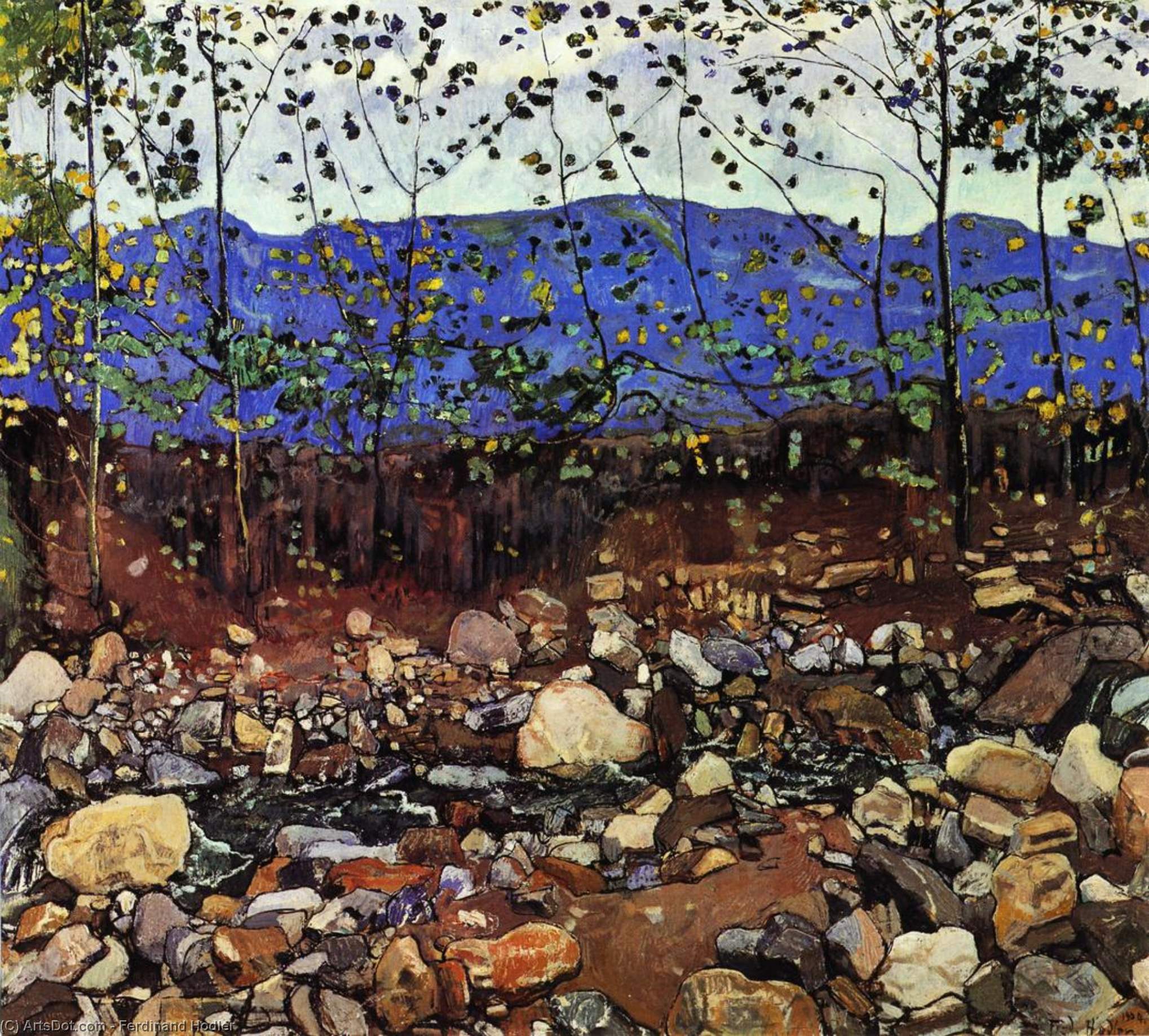
- Forest Stream
 Preview
 Udostępnij
 Udostępnij
 Szczegóły dzieła

 Pobierz
 Podobne obiekty
 RTG
RTG Pokaz slajdów
Forest Stream


 Rozwiń treść
Giclée / Wydruk artystyczny
Druk giclée lub płótno o jakości muzealnej z szybką realizacją i szerokim wyborem opcji wykończenia. ( Switch to hand made Painting Switch to Image)




P118B $10

P118H $10

P118W $10

P438Z $10

P508JH $12

P508YH $12

P805H $10

P805Z $10

P919BZ $10

P919G $10

P919XJ $10

P959ZH $10

P968JZ $12

W106C $8

W218G $10

W218JH $8

W218Y $10

W307PJ $10

W316G $10

W316PJ $8

W316Y $10

W398PJ $8

W4111J $10

W500HY $15

W500JH $15

W692G $12

W849H $8

W940BG $15

W953PJ $8




Wybierz spośród naszych predefiniowanych rozmiarów, które zachowują oryginalne proporcje dzieła sztuki.

Możesz wprowadzić własne wymiary, aby dopasować dzieło do konkretnej ramy lub przestrzeni. Jeśli wybrany rozmiar nie będzie odpowiadał proporcjom oryginalnego obrazu, przytniecie dzieło lub rozszerzymy obraz za pomocą odbicia lustrzanego lub jednolitego wypełnienia krawędzi. Przed rozpoczęciem produkcji prześlemy cyfrową wizualizację do Twojej akceptacji.
Prosimy pamiętać, że podgląd na ekranie nie odzwierciedla faktycznego przycinania ani rozszerzania. Tylko wizualizacja dokładnie pokaże końcową kompozycję.
Mimo dostępności niestandardowych rozmiarów, zalecamy wybór wymiaru z listy zdefiniowanej, aby zachować oryginalne proporcje.
Dostawa na cały świat () w ciągu 2 tygodni zamiast standardowych 4/5 tygodni. (29 Lipiec)

Bezpłatna ekspresowa wysyłka na cały świat

Wysokiej jakości płótno lniane

Pełne ubezpieczenie przesyłki

Gwarancja zwrotu należności celnych

Gwarancja pełnego zgodności kolorystycznej

Polityka 60-dniowego zwrotu (tylko w przypadku wad)

Gwarancja 100% zwrotu pieniędzy

Zniżka przy większych zamówieniach
 Opcja szkła jest dostępna wyłącznie w rozmiarach poniżej 110 cm

Forest Stream
Giclée / Wydruk artystyczny
Wymiary reprodukcji
-


Cena całkowita
$ 64
Opis obiektu kolekcjonerskiego
Ferdinand Hodler's "Forest Stream": A Symphony of Symbolism and Light
Ferdinand Hodler’s “Forest Stream” is more than just a depiction of a Swiss landscape; it’s an immersion into the artist’s deeply felt contemplation of life, loss, and the enduring beauty of nature. Painted in 1916, this work exemplifies Hodler's pivotal role within the Symbolist movement, showcasing his ability to translate profound emotional states onto canvas through meticulously crafted brushstrokes and a carefully considered color palette. The scene unfolds with a quiet intensity – a rocky stream bed winding its way towards a distant mountain range beneath a softly clouded sky. It’s a landscape imbued with a sense of melancholy beauty, reflecting the artist's personal history marked by early tragedy.
Post-Impressionist Technique and Impasto Texture
- Brushwork: Hodler employs a distinctive technique characterized by short, broken strokes – a hallmark of Post-Impressionism. These lines aren’t merely descriptive; they actively build texture, creating a palpable surface that invites the viewer to almost feel the roughness of the rocks and the flow of the water.
- Impasto: The artist utilizes thick applications of paint, or impasto, particularly in areas like the foreground rocks and vegetation. This technique dramatically enhances the three-dimensionality of the scene, adding a dynamic energy that contrasts with the overall sense of stillness.
- Color Palette: Hodler’s color choices are both vibrant and subtly muted. Warm tones dominate – ochres, browns, and greens representing the earth and foliage – juxtaposed against cooler blues and grays in the sky and mountains. This contrast isn't jarring but rather creates a harmonious balance, reflecting the artist’s desire to capture not just what he saw, but how he *felt* about it.
Symbolic Resonance: Mortality and Nature’s Embrace
The painting’s symbolism is deeply rooted in Hodler's personal experiences. The stream itself can be interpreted as a metaphor for the passage of time, while the mountains represent enduring strength and resilience. Given Hodler’s early life marked by loss – the deaths of his father and brothers – the scene resonates with themes of mortality and acceptance. Nature becomes not just a subject but a source of solace and contemplation, offering a space for reflection on the ephemeral nature of existence. The diffused lighting further contributes to this mood, suggesting an overcast day that amplifies the sense of quiet introspection.
Art Nouveau Influences and Hodler’s Legacy
"Forest Stream at Champery," (as seen in a related work by Hodler) demonstrates his engagement with Art Nouveau aesthetics. The flowing lines, organic forms, and emphasis on decorative elements align with the movement's core principles. Hodler’s influence extends beyond Switzerland; his unique style paved the way for future generations of landscape artists who sought to capture not just visual reality but also emotional truth. His work continues to resonate today, offering a timeless meditation on beauty, loss, and the profound connection between humanity and the natural world.
Artist: Ferdinand Hodler Birth Year: 1853 Death Year: 1918Podobne dzieła sztuki



Biografia artysty
A Life Etched in Symbolism: The World of Ferdinand Hodler
Ferdinand Hodler, a name inextricably linked to the landscape of Swiss painting and the evocative language of symbolism, emerged from modest beginnings to become one of the most significant artists of the late 19th and early 20th centuries. Born in Bern, Switzerland, in 1853, his life was profoundly shaped by early loss – a recurring theme that would deeply inform his artistic vision. The untimely deaths of his father and two younger brothers before he reached adolescence cast a long shadow, instilling within him a profound contemplation of mortality and the fleeting nature of existence. These experiences, interwoven with an acute sensitivity to the beauty and power of the natural world, became central tenets of his evolving oeuvre. Initially apprenticed to decorative painters, Hodler’s innate talent quickly transcended mere craftsmanship; he yearned for formal training and artistic exploration beyond the constraints of commercial work. This ambition led him to Geneva in 1871, where he immersed himself in study, attending science lectures alongside diligently copying masterpieces at the city's museum – a rigorous education that laid the foundation for his future innovations.From Realism to ‘Parallelism’: Forging a Unique Vision
Hodler’s artistic journey was characterized by constant evolution and an unwavering pursuit of expressive power. His early works reflected the prevailing realist style of the time – portraits, landscapes, and genre scenes executed with meticulous detail. However, he soon found himself constrained by these conventions, seeking a means to convey deeper emotional truths and philosophical ideas. This quest led him towards Symbolism, a movement that rejected naturalistic representation in favor of subjective experience and evocative imagery. Yet Hodler didn’t simply adopt the tenets of Symbolism; instead, he forged his own unique path, developing what he termed “parallelism.” This distinctive style involved arranging figures and forms in rhythmic, almost geometric patterns, creating a sense of both harmony and tension – a visual representation of interconnectedness. It was an attempt to depict not just *what* he saw, but *how* he felt – the underlying emotional currents that connected all things. The Night, completed in 1890, stands as a prime example, showcasing his ability to evoke mood and atmosphere through carefully orchestrated forms and muted colors. The painting’s initial reception was controversial, highlighting the challenges faced by artists pushing against established norms. Despite this criticism, it garnered attention in Paris, establishing Hodler’s reputation beyond Switzerland's borders and signaling the arrival of a truly original voice.Landmarks in Paint: Key Works and Their Significance
Throughout his prolific career, Hodler produced a remarkable body of work that continues to resonate with audiences today. The Day, completed in 1893, stands as one of his most ambitious and celebrated achievements – a monumental historical painting depicting the Battle of Marignano. This artwork is not merely a depiction of military conflict; it’s a complex meditation on life, death, and renewal, rendered with an arresting blend of realism and visionary intensity. The sheer scale and emotional weight of The Day cemented Hodler’s position as a leading figure in European art. Other notable works include numerous depictions of the Swiss Alps, imbued with a sense of awe-inspiring grandeur – landscapes that capture both the physical beauty and spiritual resonance of the mountains. He also created portraits that reveal his profound understanding of human psychology, often capturing fleeting moments of emotion and introspection. Works like Truth II (1897) demonstrate Hodler’s ability to blend classical forms with modern sensibilities, creating images that are both timeless and strikingly contemporary – a testament to his innovative spirit. His paintings weren't merely representations; they were emotional landscapes, inviting viewers to contemplate the fundamental questions of existence.Influences and Artistic Development
Hodler’s artistic development was shaped by a confluence of influences. Initially, he studied under local artists in Bern, absorbing traditional techniques and stylistic conventions. However, his move to Geneva exposed him to the work of Hans Holbein, Titian, and Nicolas Poussin – masters whose mastery of composition and technique profoundly impacted his own approach. More significantly, Hodler’s association with Louis Duchosal, a poet-symbolist, proved pivotal in shaping his artistic vision. Duchosal's enthusiasm for Baudelaire and Wagner introduced Hodler to the core tenets of Symbolism – an emphasis on subjective experience, dreamlike imagery, and the exploration of hidden emotions. This encounter led him away from strict realism and towards a more expressive and symbolic style. He also drew inspiration from contemporary artistic movements such as Art Nouveau, evident in his use of flowing lines and decorative elements. Hodler’s work reflects a constant dialogue between tradition and innovation, resulting in a uniquely personal and compelling aesthetic.A Lasting Legacy: Influence and Historical Context
Ferdinand Hodler’s influence extended far beyond the borders of Switzerland. His innovative use of symbolism and his development of “parallelism” paved the way for Expressionism, with its emphasis on subjective emotion and distorted forms. Artists who followed in his footsteps recognized him as a precursor to their own explorations of inner experience. Hodler's work also resonated with broader cultural currents of the late 19th and early 20th centuries – a period marked by rapid social change, scientific advancements, and a growing sense of existential anxiety. His paintings offered a visual language for grappling with these complex issues, providing solace and insight in an increasingly uncertain world. Today, Hodler’s works are held in major museums across Europe and beyond, ensuring that his artistic vision continues to inspire and challenge generations of viewers. He remains a towering figure in Swiss art history, celebrated not only for his technical skill but also for his profound emotional depth and unwavering commitment to exploring the mysteries of the human condition.
Ferdinand Hodler
1853 - 1918 , Szwajcaria
Kluczowe informacje
- Artistic Movement Or Style: Symbolizm, Paralelizmy
- Artists Or Movements Influenced By This Artist: ['Ekspresjonizm']
- Artists Who Influenced This Artist:
- Courbet
- Gauguin
- Date Of Birth: 1853
- Date Of Death: 1918
- Full Name: Ferdinand Hodler
- Nationality: Szwajcarski
- Notable Artworks:
- Noc
- Dzień
- Prawda II
- Place Of Birth: Bern, Szwajcaria
Powiązane artykuły
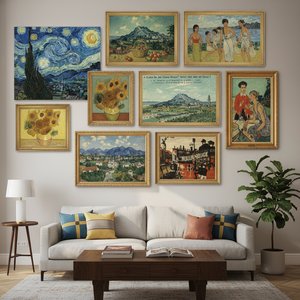
10 Arcydzieł Postimpresjonizmu, Które Zdefiniowały Sztukę. Inspiracje do Dekoracji Domu.
Odkryj 10 arcydzieł postimpresjonizmu Van Gogha, Moneta i Cézanne'a! Poznaj historie artystów, techniki malarskie i inspiracje do dekoracji wnętrz. Reprodukcje obrazów najwyższej jakości na AllPaintingsStore.com – sztuka dla Twojego domu.

Henri Moret: Capturing the Essence of Brittany's Light – A Study in Post-Impressionist Landscape Painting
Explore the captivating landscapes of Henri Moret, a master of Post-Impressionism. Discover his unique style, key works, and legacy in our expert guide. Learn about collecting Moret's art & its investment potential.

Concrete Visions: Exploring the Urban Landscape in Painting – From Realism to Contemporary Art
Explore the evolution of cityscape painting from Realism to contemporary art with AllPaintingsStore. Discover key artists & invest in timeless urban visions. Expert guidance, museum-quality reproductions.

Nicholas Roerich: Mysticism, Mountains & the Search for Ageless Wisdom in Art
Explore the captivating art of Nicholas Roerich – a visionary painter whose Himalayan landscapes blend spiritual mysticism with cultural preservation. Discover his legacy & symbolism.

Poza Impresjonizmem: Eksploracja Głębii Emocjonalnej Malarstwa Postimpresjonistycznego
Odkryj fascynujący świat postimpresjonizmu! Analiza dzieł Van Gogha, Cézanne'a i Gauguina. Poznaj techniki malarskie, symbolikę oraz wpływ tego ruchu na sztukę współczesną. Ekspercka wiedza i inspiracje dla miłośników sztuki.





