


 Zobacz w skali 1:1
 Wyślij
 Udostępnij
 Szczegóły
 Przewodnik

 Pobierz plik obrazu
 Podobne obiekty
 RTG
RTG Pokaz slajdów
 Statystyki
The Two Crowns
 Oil On Canvas
- WallArt
- Pre-Raphaelite
 1900
1900- 19th Century
 182.0 x 231.0 cm
 Tate Britain
 Czytaj więcej
Ręcznie malowana reprodukcja olejowa
Ręcznie malowany obraz olejny na płótnie, wykonany na zamówienie przez naszych artystów w wybranym przez Ciebie wymiarze i oprawie. ( Przełącz na wersję drukowaną Przełącz na wersję cyfrową)




P118B zł10

P118H zł10

P118W zł10

P438Z zł10

P508JH zł12

P508YH zł12

P805H zł10

P805Z zł10

P919BZ zł10

P919G zł10

P919XJ zł10

P959ZH zł10

P968JZ zł12

W106C zł8

W218G zł10

W218JH zł8

W218Y zł10

W307PJ zł10

W316G zł10

W316PJ zł8

W316Y zł10

W398PJ zł8

W4111J zł10

W500HY zł15

W500JH zł15

W692G zł12

W849H zł8

W940BG zł15

W953PJ zł8




Wybierz spośród naszych standardowych rozmiarów, które zachowują oryginalne proporcje dzieła sztuki.

Wpisz wymaganą szerokość i wysokość, aby obraz pasował do Twojej ramy lub ściany. Ponieważ jest to dzieło malowane ręcznie, w przypadku rozmiaru o innym proporcji artysta może domalować nieco więcej wokół obrazu lub przyciąć fragmenty — wybór należy do Ciebie. Przed rozpoczęciem pracy prześlemy Ci cyfrową wizualizację do zatwierdzenia. Obraz widoczny na tej stronie nie przedstawia rzeczywistego efektu — jedynie wizualizacja oddaje realny rezultat.
Po złożeniu zamówienia zespół AllPaintingsStore.com skontaktuje się z klientem drogą mailową w celu uzyskania instrukcji i prześle wizualizację projektu
Dostawa na całym świecie () w ciągu 3–4 tygodni zamiast standardowych 5 tygodni. (24 Październik). Bez kompromisów w kwestii jakości.

Bezpłatna ekspresowa wysyłka na cały świat

Wysokiej jakości płótno lniane

Pełne ubezpieczenie transportowe

Gwarancja zwrotu należności celnych i podatków importowych

Gwarancja idealnego odwzorowania barw

100-dniowy okres na zwrot dzieła w przypadku wykrycia wad produkcyjnych

Gwarancja 100% zwrotu pieniędzy

Oferta przy zakupie wielu sztuk
 Opcja ze szkłem jest dostępna wyłącznie w rozmiarach poniżej 110 cm

The Two Crowns
Technika wykonania
Rozmiar reprodukcji
-


Suma do zapłaty
zł 1469
A Vision of Medieval Splendor
In the grand tapestry of Victorian art, few works capture the intersection of earthly triumph and spiritual devotion as poignantly as Sir Francis Bernard Dicksee’s masterpiece, The Two Crowns. Painted in 1900, this breathtaking oil on canvas invites the viewer into a world of romanticized history and profound symbolism. The scene unfolds with the cinematic grandeur of a royal procession; a noble prince, clad in opulent armor and wearing a shimmering golden crown, rides upon a magnificent white horse adorned with three feathers. As he moves through an ornate architectural setting, he is met by a jubilant crowd of women who shower his path with delicate rose petals, creating a sense of celebratory motion that feels both timeless and deeply theatrical.
The composition is masterfully arranged to guide the eye through a complex narrative of power and piety. While the surface of the painting celebrates the splendor of a victorious return, there is an underlying tension that pulls at the heartstrings. The king’s gaze, rather than being fixed on his adoring subjects, is cast with an anxious, searching intensity toward a large bronze crucifix positioned in the corner. Upon this cross, Jesus wears the crown of thorns, creating a powerful visual and thematic dialogue between the two crowns mentioned in the title: the temporal, golden crown of earthly sovereignty and the eternal, suffering crown of spiritual sacrifice.
Technique and Emotional Resonance
Dicksee’s technical prowess is on full display through his meticulous attention to texture and light. The artist employs a style reminiscent of the Pre-Raphaelite movement, characterized by a dedication to fine detail and a luminous, almost dreamlike surface. One can almost feel the cold weight of the polished metal armor, the soft velvet of the flowing fabrics, and the fragile, silken texture of the scattered roses. The lighting is intentionally dramatic, utilizing strong highlights to illuminate the horse's mane and the glint of gold, while casting deep, evocative shadows that lend a sense of mystery and depth to the architectural surroundings.
For the discerning collector or interior designer, The Two Crowns offers more than mere decoration; it provides a focal point of immense narrative weight. The rich, warm palette—dominated by regal reds, golds, and deep browns—lends an air of classical sophistication to any space. This painting is not merely a depiction of a historical moment but an exploration of the human condition, balancing the fleeting glory of worldly success against the enduring gravity of faith. To possess a high-quality reproduction of this work is to bring a piece of Victorian romanticism into the modern home, offering an enduring sense of drama, history, and contemplative beauty.
Pytania i odpowiedzi
Kto jest autorem dzieła "The Two Crowns"?
Autorem dzieła „The Two Crowns” jest Sir Francis Bernard Dicksee. Praca ta figuruje w katalogu pod nazwiskiem Sir Francis Bernard Dicksee.
W którym muzeum znajduje się oryginał "The Two Crowns"?
Oryginał dzieła „The Two Crowns” autorstwa Sir Francis Bernard Dicksee znajduje się w Tate Britain, Londyn, Wielka Brytania. Reprodukcja pozwala na eksponowanie pracy w domu.
Jaka technika i styl charakteryzują „The Two Crowns” autorstwa Sir Francis Bernard Dicksee?
"The Two Crowns" powstało przy użyciu Oil On Canvas, w stylu Pre-Raphaelite.
Podobne dzieła


Biografia artysty
Wczesne lata i edukacja
Sir Francis Bernard Dicksee, znamienity angielski malarz i ilustrator epoki wiktoriańskiej, przyszedł na świat 27 listopada 1853 roku w Londynie. Jego ojciec, Thomas Dicksee, sam będący utalentowanym malarzem, od najmłodszych lat wprowadzał Franka oraz jego siostrę Margaret w arkana sztuki. Ta wczesna styczność z pięknem i warsztatem malarskim stała się fundamentem pod przyszłe, spektakularne sukcesy artysty.Droga do sławy
Dicksee rozpoczął swoją formalną ścieżkę artystyczną w 1870 roku, wstępując do Royal Academy Schools, gdzie szybko zaczął odnosić sukcesy, co ostatecznie zaowocowało przyjęciem go w poczet członków Akademii w 1891 roku. Jego prestiż rósł wraz z upływem lat, czego zwieńczeniem było wybranie go na stanowisko prezydenta w 1924 roku oraz nadanie mu tytułu szlacheckiego w 1925 roku. W 1927 roku król Jerzy V uhonorował go również mianowaniem do Orderu Victorińskiego.Wybitne dzieła i wystawy
Jednym z najbardziej poruszających i rozpoznawalnych dzieł Dicksee jest The Funeral of a Viking (Pogrzeb Wikinga) z 1893 roku, które obecnie można podziwiać w zbiorach Manchester Art Gallery. Obraz ten został przekazany korporacji miasta Manchester w 1928 roku przez Arthura Burtona. Choć krytycy epoki wiktoriańskiej zachwycali się jego techniczną doskonałością, nie szczędzili też uwag dotyczących niezwykle dramatycznej, niemal teatralnej kompozycji sceny.- Zobacz dzieła Sir Francisa Bernarda Dicksee na AllPaintingsStore
- Dowiedz się więcej o Royal Academy Schools i ich wybitnych absolwentach na Wikipedia: Royal Academy of Arts
- Odkryj kolekcję Manchester Art Gallery, w której znajdują się prace Sir Francisa Bernarda Dicksee, na ich oficjalnej stronie internetowej: Manchester Art Gallery
Dziedzictwo i pamięć
Wkład Dicksee w rozwój malarstwa wiktoriańskiego jest niezaprzeczalny, a jego twórczość nieustannie stanowi źródło inspiracji dla artystów oraz pasjonatów sztuki na całym świecie. W 2016 roku Antique Collector's Club wydał monografię poświęconą jego życiu i pracy autorstwa Simona Tolla, zawierającą pełny katalog znanych obrazów i rysunków mistrza. Kluczowe daty:27 listopada 1853: narodziny w Londynie, Zjednoczone Królestwo
1870: rozpoczęcie nauki w Royal Academy Schools
1891: przyjęcie do Royal Academy
1924: objęcie funkcji prezydenta Royal Academy
17 października 1928: śmierć w Londynie, Zjednoczone Królestwo

Sir Francis Bernard Dicksee
1853 - 1928 , Zjednoczone Królestwo
Zobacz także powiązane artykuły

Prerafaelici: Bunt przeciw akademizmowi i odrodzenie malarstwa narracyjnego
Poznaj fascynujący świat prerafaelitów – ruchu artystycznego, który zrewolucjonizował malarstwo wiktoriańskie. Analiza stylu, twórczości Millaisa, Rossettiego i innych mistrzów. Odkryj inspiracje średniowieczem i symbolikę ich dzieł.

The Pre-Raphaelite Brotherhood: Rediscovering Beauty, Romance, and Medieval Magic in Victorian Art
Embark on a journey through the Pre-Raphaelite Brotherhood. Discover the romantic symbolism, medieval magic, and radical beauty of Rossetti and Burne-Jones in this expert exploration of Victorian art history.

The Pre-Raphaelite Brotherhood: Rediscovering Romanticism, Mythological Depth, and Vivid Detail in Victorian Art
Explore the breathtaking world of the Pre-Raphaelite Brotherhood. Discover how this movement redefined Victorian art through vivid detail, mythological depth, and romanticism. An expert guide for classic art enthusiasts seeking to rediscover these timeless masterpieces.

Sir John Everett Millais: Pre-Raphaelite Rebellion & Victorian Narrative Detail
Explore the revolutionary art of Sir John Everett Millais & the Pre-Raphaelite Brotherhood. Discover their radical realism, symbolic narratives, and lasting impact on Victorian aesthetics. A deep dive into 19th-century masterpieces.
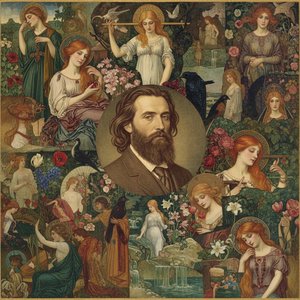
Dante Gabriel Rossetti: 25 Arcydzieł Pełnych Pasji i Symboliki | AllPaintingsStore
Odkryj 25 najpiękniejszych obrazów Dante Gabriela Rossettiego! Poznaj historię, symbolikę i techniki prerafaelitów. Reprodukcje najwyższej jakości do Twojego wnętrza – AllPaintingsStore.

