

- Strona główna

- Reprodukcja obrazu olejnego
- herbert william garratt
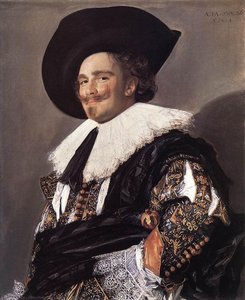
- Cavalier (recto)

 Zamów wydruk Kup cyfrowy obraz
 Udostępnij
 Udostępnij
 Szczegóły dzieła
 Dodaj do ulubionych

 Pobierz
 Podobne obiekty
 RTG
RTG
 Pokaz slajdów
Cavalier (recto)
 1890
1890 28.0 x 26.0 cm
 Rozwiń treść
Ręcznie malowana reprodukcja olejowa
Ręcznie malowany olej na płótnie w Twoim wymiarze i ramie, tworzony na zamówienie przez naszych artystów.




































Wybierz spośród naszych predefiniowanych rozmiarów, które zachowują oryginalne proporcje dzieła sztuki.

Możesz wprowadzić własne wymiary, aby dopasować obraz do konkretnej ramy lub przestrzeni. Jeśli wybrany rozmiar nie będzie odpowiadał proporcjom oryginału, przytniecie dzieło sztuki lub rozszerzymy je o dodatkowe elementy, ręcznie domalowane przez artystę. Przed rozpoczęciem produkcji wyślemy projekt cyfrowy do Twojej akceptacji.
Należy pamiętać, że podgląd na ekranie nie odzwierciedla rzeczywistego przycinania ani rozszerzania obrazu. Tylko projekt dokładnie pokaże ostateczną kompozycję.
Choć oferujemy możliwość zamówienia niestandardowych rozmiarów, zalecamy wybór wymiaru z gotowej listy, aby zachować oryginalne proporcje dzieła.
Po złożeniu zamówienia zespół AllPaintingsStore.com skontaktuje się z klientem drogą mailową w celu uzyskania instrukcji i prześle wizualizację projektu
Dostawa na całym świecie () w ciągu 3/4 tygodni zamiast standardowych 5 tygodni. (20 Lipiec). Bez kompromisów w kwestii jakości.

Bezpłatna ekspresowa wysyłka na cały świat

Wysokiej jakości płótno lniane

Pełne ubezpieczenie przesyłki

Gwarancja zwrotu należności celnych

Gwarancja pełnego zgodności kolorystycznej

Polityka 60-dniowego zwrotu (tylko w przypadku wad)

Gwarancja 100% zwrotu pieniędzy

Zniżka przy większych zamówieniach
 Opcja szkła jest dostępna wyłącznie w rozmiarach poniżej 110 cm

Cavalier (recto)
Technika reprodukcji
Wymiary reprodukcji
-


Cena całkowita
-
Podobne dzieła sztuki


Biografia artysty
Herbert William Garratt (1864–1913): Pioneer of Articulated Locomotives and Atmospheric Landscape Painting
Herbert William Garratt stands as a singular figure in the annals of British engineering and art, simultaneously celebrated for his groundbreaking invention – the Garratt locomotive – and for his evocative depictions of coastal landscapes imbued with atmospheric light. Born in Hackney, London, on June 8th, 1864, Garratt’s life intersected with both technological innovation and artistic expression in ways that continue to fascinate historians and art enthusiasts alike.
- Early Life & Education: Garratt received his initial education at St Mary Magdalene Grammar School, Hackney. He pursued further studies at King's College London, gaining a Bachelor of Science degree in Mechanical Engineering in 1886. This academic foundation would prove crucial to his later pursuits in both engineering and artistic endeavor.
- Engineering Career: Garratt began his professional career as an apprentice at Bow Locomotive Works under John Carter Park, honing his skills in locomotive design and construction. He subsequently worked for Doxford’s marine engineering works, gaining experience in shipbuilding and naval architecture. His meticulous attention to detail and inventive spirit quickly distinguished him from his peers.
- The Garratt Locomotive: Garratt's most enduring legacy rests upon his invention of the Garratt locomotive system – a revolutionary design featuring articulated bogies that dramatically improved locomotive performance on challenging terrain. Collaborating closely with Samuel Jackson at Beyer Peacock & Company, he spearheaded the development of this innovative engine type, which quickly gained prominence across Europe and beyond.
- Artistic Pursuits: Beyond his engineering achievements, Garratt possessed a passion for landscape painting, particularly coastal scenes illuminated by dramatic atmospheric conditions. His canvases captured the essence of British seaside vistas with remarkable precision and sensitivity, reflecting his profound appreciation for the beauty of nature.
- Legacy & Recognition: Garratt’s contributions to both engineering and art cemented his place as a visionary innovator who transcended disciplinary boundaries. He was elected Fellow of the Institution of Mechanical Engineers in 1902, recognizing his distinguished career in engineering. His work continues to inspire artists and engineers alike, demonstrating the power of creativity and ingenuity to shape our understanding of the world.
Garratt’s artistic style—characterized by meticulous brushwork and a masterful command of light—was heavily influenced by Impressionism, particularly the techniques pioneered by Claude Monet and Frederic Church. He sought to convey not merely visual appearances but also emotional responses to the grandeur and subtlety of coastal landscapes.
- Monet’s Influence: Garratt admired Monet's ability to capture fleeting moments of light and color, mirroring the Impressionist preoccupation with capturing the ephemeral qualities of nature.
- Church’s Visionary Landscape Painting: Garratt was captivated by Frederic Church’s monumental landscapes—particularly *Heart of the Andes*—which conveyed a sense of sublime grandeur and spiritual contemplation.
Garratt's paintings exemplify his belief that art should strive to capture not just what is seen but also what is felt – mirroring the core tenets of Impressionist philosophy.
Further Research: Resources:** Explore Garratt’s work at The Herbert Art Gallery & Museum in Coventry, UK. Visit Haworth Art Gallery for a comprehensive overview of his artistic achievements.
Kluczowe informacje
- Artistic Movement Or Style: Romantic Landscape
- Artists Or Movements Influenced By This Artist: ['Beyer Peacock']
- Artists Who Influenced This Artist: ['Samuel Jackson']
- Date Of Birth: 8 June 1864
- Date Of Death: 25 September 1913
- Full Name: Herbert William Garratt
- Nationality: British
- Notable Artworks: ['Ship in a Stormy Sea']
- Place Of Birth: London, England



