


 Zobacz w skali 1:1
 Wyślij
 Udostępnij
 Szczegóły
 Przewodnik

 Pobierz plik obrazu
 Podobne obiekty
 RTG
RTG Pokaz slajdów
 Statystyki
Male Nude known as Patroclus

 Czytaj więcej
Ręcznie malowana reprodukcja olejowa
Ręcznie malowany obraz olejny na płótnie, wykonany na zamówienie przez naszych artystów w wybranym przez Ciebie wymiarze i oprawie. ( Przełącz na wersję drukowaną Przełącz na wersję cyfrową)




P118B zł10

P118H zł10

P118W zł10

P438Z zł10

P508JH zł12

P508YH zł12

P805H zł10

P805Z zł10

P919BZ zł10

P919G zł10

P919XJ zł10

P959ZH zł10

P968JZ zł12

W106C zł8

W218G zł10

W218JH zł8

W218Y zł10

W307PJ zł10

W316G zł10

W316PJ zł8

W316Y zł10

W398PJ zł8

W4111J zł10

W500HY zł15

W500JH zł15

W692G zł12

W849H zł8

W940BG zł15

W953PJ zł8




Wybierz spośród naszych standardowych rozmiarów, które zachowują oryginalne proporcje dzieła sztuki.

Wpisz wymaganą szerokość i wysokość, aby obraz pasował do Twojej ramy lub ściany. Ponieważ jest to dzieło malowane ręcznie, w przypadku rozmiaru o innym proporcji artysta może domalować nieco więcej wokół obrazu lub przyciąć fragmenty — wybór należy do Ciebie. Przed rozpoczęciem pracy prześlemy Ci cyfrową wizualizację do zatwierdzenia. Obraz widoczny na tej stronie nie przedstawia rzeczywistego efektu — jedynie wizualizacja oddaje realny rezultat.
Po złożeniu zamówienia zespół AllPaintingsStore.com skontaktuje się z klientem drogą mailową w celu uzyskania instrukcji i prześle wizualizację projektu
Dostawa na całym świecie () w ciągu 3–4 tygodni zamiast standardowych 5 tygodni. (24 Październik). Bez kompromisów w kwestii jakości.

Bezpłatna ekspresowa wysyłka na cały świat

Wysokiej jakości płótno lniane

Pełne ubezpieczenie transportowe

Gwarancja zwrotu należności celnych i podatków importowych

Gwarancja idealnego odwzorowania barw

100-dniowy okres na zwrot dzieła w przypadku wykrycia wad produkcyjnych

Gwarancja 100% zwrotu pieniędzy

Oferta przy zakupie wielu sztuk
 Opcja ze szkłem jest dostępna wyłącznie w rozmiarach poniżej 110 cm

Male Nude known as Patroclus
Technika wykonania
Rozmiar reprodukcji
-


Suma do zapłaty
zł 990
Patroclus: A Study in Neoclassical Idealism
Jacques-Louis David’s *Patroclus* is more than just a male nude; it's a pivotal work embodying the burgeoning Neoclassical aesthetic of the late 18th century. Created around 1780, this oil on canvas (approximately 54 x 39 cm) serves as a preparatory study for his monumental painting, *The Death of Socrates*. However, *Patroclus* stands powerfully on its own, revealing David’s exceptional skill in anatomical rendering and emotional suggestion.Historical Context & Artistic Lineage
David emerged as a leading figure during a period of significant artistic transition. Reacting against the ornate frivolity of Rococo, he championed a return to classical principles – clarity, order, and moral seriousness. This shift mirrored broader societal changes, with Enlightenment ideals emphasizing reason and civic virtue. *Patroclus* exemplifies this movement; it’s not merely decorative but seeks to evoke contemplation on themes of heroism, mortality, and the human condition. David's rigorous training at the French Academy, despite his initial frustrations with its competitive system, provided him with a solid foundation in classical technique and subject matter.A Masterclass in Technique
The painting showcases David’s mastery of oil paint. He employs subtle gradations of light and shadow – *chiaroscuro* – to sculpt the figure, emphasizing its muscular form and creating a sense of three-dimensionality. The smooth application of paint, characteristic of Neoclassicism, contributes to the idealized beauty of the subject. Note the careful attention to anatomical detail; David’s precise rendering reflects his dedication to observation and study. The composition is deliberately restrained, focusing solely on the figure and minimal props – a red cloth and strategically placed rocks – which serve to ground the form without distracting from it.Symbolism & Interpretation
While identified as *Patroclus*, referencing the Trojan War hero known for his loyalty and bravery, the figure transcends simple mythological illustration. The pose—relaxed yet subtly conveying a sense of vulnerability—suggests introspection or perhaps even anticipation of fate. The red cloth could symbolize passion, sacrifice, or even impending bloodshed. David often infused his works with moral and political undertones; *Patroclus*, though a study, likely carries echoes of these concerns. The figure’s idealized physique embodies the classical notion of *kalokagathia* – the unity of beauty and goodness.Emotional Resonance & Lasting Impact
*Patroclus* possesses a quiet power. It doesn't shout for attention but draws the viewer in with its understated elegance and emotional depth. The painting evokes feelings of contemplation, admiration, and perhaps even melancholy. David’s ability to imbue a classical subject with such human emotion is remarkable. This work profoundly influenced subsequent generations of artists, solidifying David’s position as a central figure in art history. It remains a compelling example of Neoclassical artistry, celebrated for its technical brilliance and enduring aesthetic appeal.Bringing the Masterpiece Home
At AllPaintingsStore, we offer meticulously crafted hand-made oil painting reproductions of *Patroclus*. Our skilled artists painstakingly recreate every nuance of David’s original work, ensuring a stunning addition to your home or office. Experience the timeless beauty and intellectual power of this masterpiece firsthand. Visit our website to explore our collection and learn more about our reproduction process.Explore More by Jacques-Louis David
- Copy after David’s Death of Socrates
- Study for the Execution of the Sons of Brutus
- The Death of Socrates
Pytania i odpowiedzi
Czy „Male Nude known as Patroclus” autorstwa Jacques-Louis David to obraz, rysunek czy grafika?
"Male Nude known as Patroclus" to dzieło typu WallArt.
Czy „Male Nude known as Patroclus” autorstwa Jacques-Louis David należy do najbardziej pożądanych dzieł w nurcie Neoclassicism?
W ramach nurtu Neoclassicism, dzieło „Male Nude known as Patroclus” cechuje się poziomem popularności Iconic.
Z czego wykonano "Male Nude known as Patroclus"?
„Male Nude known as Patroclus” wykonano w technice Acrylic On Canvas.
Podobne dzieła


Biografia artysty
A Brushstroke Across Revolution: The Life and Art of Jacques-Louis David
Jacques-Louis David, born in Paris in 1748, was more than just a painter; he was a visual chronicler of an era defined by upheaval, idealism, and the relentless pursuit of new orders. His life mirrored the dramatic shifts unfolding across France – from the waning opulence of the Rococo to the austere clarity of Neoclassicism, and ultimately, through the tumultuous years of revolution and Napoleonic glory. A childhood marked by the early loss of his father and a facial impediment that initially hindered his speech seemed only to sharpen his observational skills and fuel an unwavering dedication to artistic mastery. Though initially apprenticed to François Boucher, David quickly found himself drawn to the more morally resonant work of Joseph-Marie Vien, whose emphasis on history painting and classical subjects resonated with a burgeoning sense of purpose within the young artist. His early attempts to win the prestigious Prix de Rome were fraught with frustration, yet these repeated setbacks only intensified his resolve, forging a relentless perfectionism that would characterize his entire career.The Birth of Neoclassical Drama
David’s artistic evolution wasn't merely a stylistic shift; it was a philosophical statement. He rejected the frivolous ornamentation and playful themes of the Rococo, embracing instead the clarity, order, and moral seriousness inherent in classical antiquity. This commitment was profoundly influenced by archaeological discoveries at Pompeii and Herculaneum, which unveiled a world of Roman art and architecture previously lost to time. These unearthed ruins provided him with an idealized vision of republican virtue and civic duty – principles he would translate into his paintings. His breakthrough came with “Oath of the Horatii” (1784), a painting that transcended mere artistic skill to become an emblem of civic virtue and patriotic sacrifice. The stark composition, dramatic lighting, and precise draftsmanship were revolutionary, signaling a decisive break from the past. It wasn’t simply *what* he painted but *how* – a deliberate construction designed to evoke powerful emotional responses and inspire contemplation on themes of duty, honor, and self-sacrifice. The figures are rendered with an almost sculptural quality, their bodies conveying both strength and vulnerability, while the pyramidal composition creates a sense of stability and order. This work didn't just announce a new style; it foreshadowed the ideological currents that would soon sweep across France.Revolution and Remembrance: Art as Political Weapon
As the French Revolution erupted in 1789, David was not merely an observer but an active participant. A fervent supporter of the revolutionary cause and a close associate of Maximilien Robespierre, he saw art as a powerful tool for shaping public opinion and immortalizing the ideals of the new republic. His paintings during this period became potent symbols of revolutionary martyrdom and republican fervor. Perhaps his most iconic work from this era is “The Death of Marat” (1793), a hauntingly realistic depiction of the assassinated journalist, transformed into a secular saint. The painting’s stark simplicity – the pale body, the makeshift desk, the poignant letter clutched in Marat's hand – elevates the scene to a level of profound emotional resonance. David deliberately chose to depict Marat in a state of vulnerability and suffering, emphasizing his sacrifice for the cause of liberty. This image was widely circulated throughout revolutionary Paris, serving as a powerful reminder of the price of freedom. He also created “The Death of Socrates” (1787) and "The Lictors Bringing Brutus the Bodies of His Sons" (1789), both exploring themes of sacrifice and civic duty in the face of tyranny. During this time, David served on the Committee of Public Safety, a testament to his commitment to the revolution.From Revolution to Empire: Serving Napoleon
The fall of Robespierre marked another turning point in David’s career. With remarkable adaptability, he navigated the shifting political landscape and aligned himself with Napoleon Bonaparte, becoming the First Consul’s official court painter. This new patronage ushered in a period of grand-scale commissions designed to glorify Napoleon’s victories and achievements. “Napoleon Crossing the Alps” (1801-1805) is perhaps the most famous example – a masterful piece of propaganda that presents Napoleon as a heroic, almost mythical figure conquering both nature and adversity. The painting utilizes dramatic lighting, dynamic composition, and carefully chosen details to create an image of unparalleled grandeur and power. “The Coronation of Napoleon” (1807), an immense canvas capturing the opulence and grandeur of the imperial ceremony, further cemented David’s position as the preeminent artist of the Napoleonic era. During this time, his palette subtly shifted, incorporating warmer Venetian colours while maintaining the precision and clarity that defined his style. He also produced portraits of Napoleon and other prominent figures, solidifying his role as the Emperor's official visual propagandist.Legacy and Influence
The Bourbon Restoration in 1814 brought renewed peril for David, whose association with the fallen Napoleon made him a target of persecution. He chose exile in Brussels in 1816, where he continued to paint and teach until his death on December 29, 1825. Despite facing political challenges, David’s influence remained profound. He trained numerous pupils, including Jean-Auguste-Dominique Ingres, who would become one of the most important neoclassical painters of the 19th century. David's emphasis on draftsmanship, composition, and historical accuracy left an indelible mark on French art. *His legacy extends beyond mere imitation*; his expressive distortions of form and space even foreshadowed the innovations of later artists like Henri Matisse and Pablo Picasso. Jacques-Louis David was not simply a painter of his time; he *defined* it, capturing its spirit of revolution, ambition, and enduring ideals on canvas for generations to come.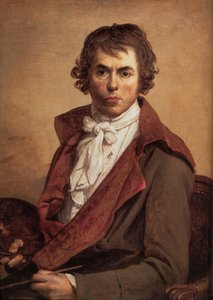
Jacques-Louis David
1748 - 1800 , Francja
Najważniejsze informacje
- Artistic Movement Or Style: Neoklasycyzm
- Artists Or Movements Influenced By This Artist:
- Ingres
- Matisse
- Artists Who Influenced This Artist:
- Vien
- Poussin
- Date Of Birth: 30 VIII 1748
- Date Of Death: 29 DC 1825
- Full Name: Jacques-Louis David
- Nationality: Francuz
- Notable Artworks:
- Oaths Horatii
- Śmierć Marata
- Napoleon na Alpach
- Place Of Birth: Paryż, Francja
Zobacz także powiązane artykuły

10 Arcydzieł Neoklasycyzmu: Sztuka, Historia i Inspiracje dla Twojego Domu
Poznaj 10 arcydzieł neoklasycyzmu! Odkryj historie Davida, Ingresa i Canovy. Inspiracje wnętrzarskie z malarstwem klasycznym i rzeźbą. Reprodukcje najwyższej jakości na AllPaintingsStore.com – sztuka dla Twojego domu.

Neoklasycyzm: 10 Arcydzieł, Które Zdefiniowały Epokę | AllPaintingsStore.com
Odkryj 10 arcydzieł neoklasycyzmu! Poznaj historie Davida, Ingresa i Canovy. Malarstwo i rzeźba pełne harmonii i elegancji. Reprodukcje najwyższej jakości na AllPaintingsStore.com – inspiracje dla Twojego wnętrza. Eksploruj kolekcję online!

Trwała Spuścizna Klasycyzmu: Zasady, Ewolucja i Wpływ na Sztukę Zachodnią
Poznaj historię klasycyzmu w sztuce! Odkryj zasady estetyczne, wybitnych artystów i trwały wpływ tego nurtu na architekturę, malarstwo i rzeźbę. Ekspercka analiza i inspiracje od AllPaintingsStore.

Jacques-Louis David: Neoclassical Ideals & Revolutionary Witness
Explore the life & art of Jacques-Louis David, leading Neoclassical painter of the French Revolution. Discover iconic works like 'The Death of Marat' and his lasting impact on art history. Expert analysis & high-quality reproductions at AllPaintingsStore.

Neoklasycyzm: Powrót do antyku i trwałe dziedzictwo sztuki europejskiej
Poznaj neoklasycyzm – fascynujący powrót do ideałów antyku w sztuce i architekturze. Analiza dzieł, wpływ Winckelmanna i kontekst historyczny. Ekspercka wiedza na AllPaintingsStore.


